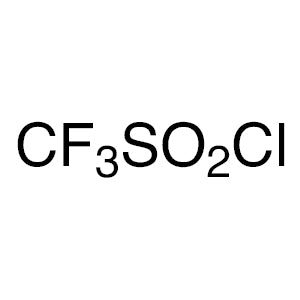
p-Toluenesulfonyl Chloride (p-TSC) is a chemical compound widely used in organic chemistry reactions, particularly in the protection and deprotection of hydroxyl groups. It serves as an effective protecting agent that prevents unwanted reactions on organic molecules during synthesis. In the laboratory, p-TSC is commonly employed to shield hydroxyl groups from potentially damaging chemical reactions. Its chemical stability and controlled reactivity make it an ideal choice for specific reactions. The molecular structure of p-TSC allows for efficient substitution and other chemical reactions, enhancing its utility in synthetic processes. Due to its non-spontaneous reactivity, p-TSC also minimizes the risk of laboratory accidents.
p-TSC is valued for its chemical stability, controlled reactivity, and high efficiency in promoting substitution reactions. These properties make it a reliable reagent for protecting functional groups during complex syntheses. Its ability to selectively react under specific conditions ensures that only the desired parts of a molecule undergo transformation. This selectivity is crucial in the development of pharmaceuticals and other complex chemical compounds. Additionally, its predictable behavior in different reaction environments enhances its applicability across various synthetic routes.
In Indonesian laboratories, p-TSC is used in a wide range of chemical research, including the synthesis of complex compounds, molecular modification, and drug development. It is particularly relevant for researchers requiring dependable and trustworthy chemical reagents for scientific experiments. Its role in protecting hydroxyl groups is essential in the creation of new chemical entities with specific functional properties. The compound's reliability and performance make it a preferred choice for both academic and industrial research settings.
TCI brochures (PDF)
- Reagent for Incorporating a High-Performance Protecting Group (Nms) into Amines 2025-07-10 · p. 1
- Sulfonylation Reagents 2023-01-20 · p. 1
- Protecting Agents 2025-03-25 · p. 11
Related TCI products
- TCI T1985 2232-08-8 1-(p-Toluenesulfonyl)imidazole
- TCI T1444 29739-88-6 N-(p-Toluenesulfonyl)-L-phenylalanyl Chloride [Optical Resolving Reagent for Alcohols]
- TCI T0284 133-59-5 o-Toluenesulfonyl Chloride (contains ca 23% isomer)
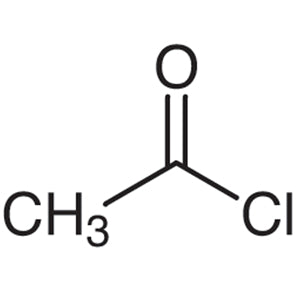
- TCI A0082 75-36-5 Acetyl Chloride
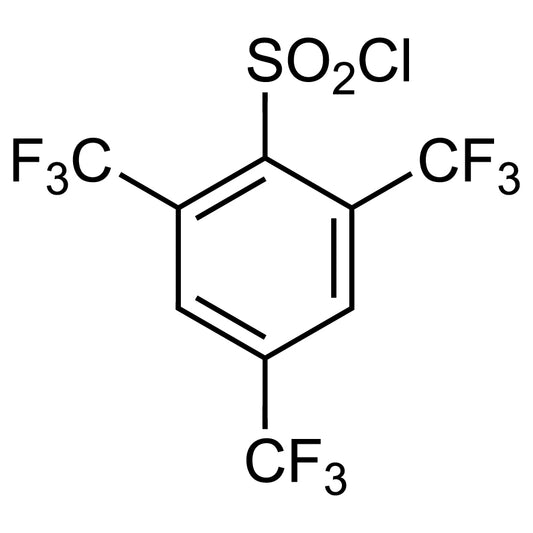
- TCI T4302 944453-80-9 2,4,6-Tris(trifluoromethyl)benzenesulfonyl Chloride
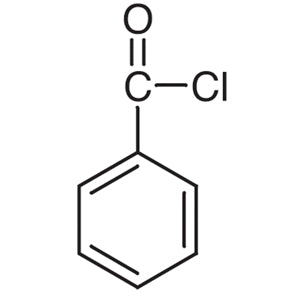
- TCI B0105 98-88-4 Benzoyl Chloride
- Organic synthesis applications benefit from p-TSC's ability to protect hydroxyl groups during complex molecule construction, ensuring selective chemical transformations.
- Drug development processes utilize p-TSC to safeguard functional groups during the synthesis of pharmaceutical compounds, enhancing the efficiency of target molecule formation.
- Molecular modification experiments rely on p-TSC to selectively react with hydroxyl groups, allowing for precise structural changes in organic compounds.
- Analytical chemistry procedures use p-TSC as a reagent in derivatization processes, improving the detectability of hydroxyl-containing compounds in analytical techniques.
- Research in chemical protection strategies employs p-TSC to demonstrate effective methods for preventing unwanted side reactions in synthetic pathways.
| Brand | TCI |
|---|---|
| CAS number | 98-59-9 |
| Molecular formula | — |
| Purity | — |
| Category | Chemistry > Synthetic Reagents > Protection, Deprotection, Derivatization |
| Pack sizes | Available in various sizes as per standard chemical supply specifications |
| Physical form | Solid, crystalline powder |
| Storage | Store in a cool, dry place away from moisture and direct sunlight |
Data from the TCI brochure
| Typical protecting condition | TsCl [T0272], Pyridine, rt (Ts group, protecting group comparison table) |
|---|---|
| Typical deprotecting condition | Mg [M3358], MeOH, rt (Ts group, protecting group comparison table) |
Source: TCI brochure RR217 (2025-07-10)
p-Toluenesulfonyl Chloride should be stored in a cool, dry environment to maintain its chemical stability. It is recommended to keep the compound in airtight containers to prevent exposure to moisture and air, which may affect its reactivity. Laboratory personnel should handle the material with care, using appropriate personal protective equipment such as gloves and safety goggles to minimize direct contact. Due to its reactivity, it should be stored away from incompatible substances like strong bases or reducing agents. Proper labeling of storage containers is essential to ensure safe handling and prevent accidental exposure. Regular inspection of storage conditions is advised to ensure the compound remains in optimal condition for use in laboratory applications.
—
Produk Terkait
-
1-(p-Toluenesulfonyl)imidazole TCI T1985
Regular price From Rp 1.140.300,00Regular priceRp 812.700,00Sale price From Rp 1.140.300,00 -
N-(p-Toluenesulfonyl)-L-phenylalanylChloride[OpticalResolvingReagentforAlcohols] TCI T1444
Regular price From Rp 928.200,00Regular priceRp 664.650,00Sale price From Rp 928.200,00 -
o-ToluenesulfonylChloride(containsca23%isomer) TCI T0284
Regular price From Rp 1.140.300,00Regular priceRp 796.950,00Sale price From Rp 1.140.300,00 -
AcetylChloride TCI A0082
Regular price From Rp 848.400,00Regular priceRp 609.000,00Sale price From Rp 848.400,00 -
2,4,6-Tris(trifluoromethyl)benzenesulfonylChloride TCI T4302
Regular price From Rp 3.949.050,00Regular priceRp 2.761.500,00Sale price From Rp 3.949.050,00 -
BenzoylChloride TCI B0105
Regular price Rp 557.550,00Regular priceRp 405.300,00Sale price Rp 557.550,00 -
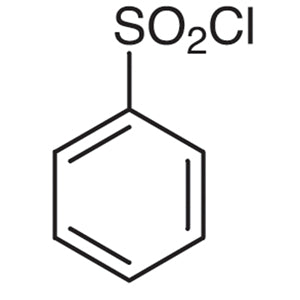
BenzenesulfonylChloride TCI B0036
Regular price From Rp 452.550,00Regular priceRp 316.050,00Sale price From Rp 452.550,00 -
TrifluoromethanesulfonylChloride TCI T1027
Regular price From Rp 2.174.550,00Regular priceRp 1.520.400,00Sale price From Rp 2.174.550,00