O-Toluenesulfonyl Chloride (o-TSC), with CAS number 133-59-5, is a widely used organic chemistry reagent in laboratory settings. This compound is a key building block in synthetic chemistry, particularly in reactions involving nucleophilic substitution. Its structure, featuring a sulfonyl group attached to a toluene ring, makes it highly reactive under appropriate conditions. It is commonly employed in the synthesis of various organic compounds, including sulfonates and disulfonates, due to its ability to form stable intermediates during chemical reactions.
The chemical properties of o-TSC make it a preferred choice for many synthetic pathways. It exhibits stability under certain conditions but remains highly reactive towards nucleophiles such as amines and hydroxyl groups. This reactivity allows it to participate in a wide range of chemical transformations, making it a versatile tool in organic synthesis. Its ability to form covalent bonds with different molecules enhances its utility in complex reaction sequences. The presence of approximately 23% isomer also contributes to its reactivity and flexibility in application.
In Indonesian laboratories, o-TSC is frequently used in research and development across various fields, including pharmaceuticals, materials science, and organic chemistry. Its role in synthesizing compounds with specific structural features makes it a valuable resource for both academic and industrial research. The compound is often found in laboratories focused on drug development and chemical innovation, where its reactivity and versatility are highly appreciated.
Related TCI products
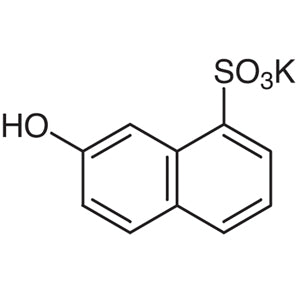
- TCI N0075 30252-40-5 Potassium 7-Hydroxy-1-naphthalenesulfonate (contains isomer)
- TCI T0908 31378-03-7 2-(p-Toluenesulfonyl)acetophenone
- TCI T2693 116-02-9 cis-3,3,5-Trimethylcyclohexanol (contains ca. 20% trans- isomer)
- TCI C3132 627-26-9 trans-Crotononitrile (contains ca. 20% cis- isomer)
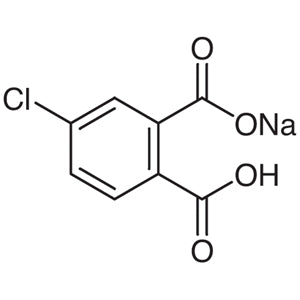
- TCI C0265 56047-23-5 Sodium Hydrogen 4-Chlorophthalate (contains isomer and Phthalic Acid)
- TCI S0136 89-08-7 4-Sulfophthalic Acid (contains 3-Sulfophthalic Acid) (ca 50% in Water)
- Organic Synthesis: O-TSC is widely used in the synthesis of sulfonates and disulfonates due to its reactivity and ability to form stable intermediates.
- Pharmaceutical Research: It plays a crucial role in the development of new drugs by enabling the formation of complex molecular structures.
- Material Science: O-TSC is utilized in the creation of advanced materials, where its chemical properties aid in the formation of functional groups.
- Analytical Chemistry: It is used as a reagent in analytical procedures to facilitate the detection and quantification of specific compounds.
- Industrial Chemistry: O-TSC is employed in industrial settings for the production of specialty chemicals and intermediates.
| Brand | TCI |
|---|---|
| CAS number | 133-59-5 |
| Molecular formula | — |
| Purity | — |
| Category | Chemistry > Building Blocks > Non-Heterocyclic Building Blocks |
| Pack sizes | Available in various quantities as per standard laboratory supply |
| Physical form | Solid powder |
| Storage | Store in a cool, dry place away from moisture and direct sunlight |
O-Toluenesulfonyl Chloride should be stored in a cool, dry environment to maintain its chemical stability. It is recommended to keep it in a sealed container to prevent exposure to moisture and air. Due to its reactivity, it should be handled in a well-ventilated area, preferably under a fume hood. Avoid contact with nucleophilic substances to prevent unwanted reactions. The compound is best stored in glass or polyethylene containers to ensure safety and prevent degradation. Always use appropriate personal protective equipment when handling this material.
—
Produk Terkait
-
Potassium7-Hydroxy-1-naphthalenesulfonate(containsisomer) TCI N0075
Regular price Rp 1.936.200,00Regular priceRp 1.353.450,00Sale price Rp 1.936.200,00 -
2-(p-Toluenesulfonyl)acetophenone TCI T0908
Regular price Rp 4.108.650,00Regular priceRp 2.888.550,00Sale price Rp 4.108.650,00 -
cis-3,3,5-Trimethylcyclohexanol(containsca.20%trans-isomer) TCI T2693
Regular price From Rp 637.350,00Regular priceRp 460.950,00Sale price From Rp 637.350,00 -
trans-Crotononitrile(containsca.20%cis-isomer) TCI C3132
Regular price From Rp 1.272.600,00Regular priceRp 905.100,00Sale price From Rp 1.272.600,00 -
SodiumHydrogen4-Chlorophthalate(containsisomerandPhthalicAcid) TCI C0265
Regular price Rp 743.400,00Regular priceRp 519.750,00Sale price Rp 743.400,00 -
4-SulfophthalicAcid(contains3-SulfophthalicAcid)(ca50%inWater) TCI S0136
Regular price From Rp 557.550,00Regular priceRp 389.550,00Sale price From Rp 557.550,00 -
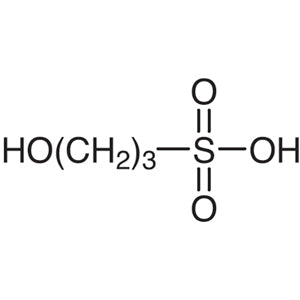
3-HydroxypropanesulfonicAcid(containsvaryingamountsof3,3'-OxydipropanesulfonicAcid)(ca80%inWater,ca78mol/L) TCI H0597
Regular price From Rp 1.353.450,00Regular priceRp 946.050,00Sale price From Rp 1.353.450,00 -
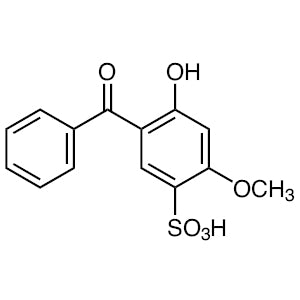
2-Hydroxy-4-methoxybenzophenone-5-sulfonicAcid(containsca10%IsopropylAlcohol) TCI H0466
Regular price From Rp 1.696.800,00Regular priceRp 1.202.250,00Sale price From Rp 1.696.800,00