2-Nitrocinnamaldehyde from TCI is an α,β-unsaturated aldehyde derived from cinnamaldehyde, with a nitro group at the ortho position of the benzene ring. It is classed as a non-heterocyclic building block. Because the nitro group sits right next to the side chain, the compound is well suited to reductive cyclization reactions. Organic synthesis laboratories use it as a precursor to nitrogen-containing heterocycles, especially quinolines and indoles. It is also used as a substrate for studying the reactions of conjugated aldehydes.
Chemists choose this compound because one compact molecule holds three reactive centres. The aldehyde group is electrophilic. The conjugated double bond can take part in addition reactions. The ortho nitro group adds a third handle: once it is reduced to an amine, it can attack the side chain intramolecularly and close a ring. This pattern is the basis of many efficient quinoline syntheses. The conjugated system also absorbs under UV light, so reactions are easy to follow by thin-layer chromatography (TLC).
In Indonesia, this compound is relevant to organic chemistry and medicinal chemistry research groups at universities and research institutions. These groups develop bioactive heterocyclic compounds, such as antimalarial candidates. Starting from one well-defined precursor, researchers can build quinoline and indole scaffolds and then make the structural variations needed for biological screening. It is also useful in teaching and research labs that study the reactivity of conjugated aldehydes, reduction chemistry and intramolecular ring-forming reactions.
- Quinoline synthesis: the ortho nitro group can be reduced to an amine, which then cyclizes onto the side chain, giving an efficient route to quinoline ring systems.
- Indole synthesis: the ortho nitro group next to the unsaturated side chain makes this compound a useful precursor for reductive cyclization routes to indole frameworks.
- Studies of conjugated aldehyde reactivity: the electrophilic aldehyde and the conjugated double bond make it a good model substrate for comparing direct attack at the aldehyde with conjugate addition.
- Medicinal chemistry scaffold building: research groups developing bioactive heterocycles, including antimalarial candidates, can use it as a single starting point for nitrogen-containing ring systems.
- Reaction monitoring and teaching: the conjugated system makes spots easy to see by TLC under UV light, so it works well for teaching how to monitor multistep synthetic reactions.
| Brand | TCI (product code N0611) |
|---|---|
| CAS number | 1466-88-2 |
| Molecular formula | — |
| Purity | — |
| Category | Chemistry > Building Blocks > Non-Heterocyclic Building Blocks |
| Pack sizes | see the pack sizes listed on the product page |
| Physical form | see the manufacturer's certificate of analysis and product documentation |
| Storage | follow the storage conditions stated on the TCI label and safety data sheet |
Keep this compound in its original, tightly closed manufacturer's container in a cool, dry, well-ventilated place. Protect it from direct light, heat sources and moisture. Store it away from strong oxidizing agents, strong reducing agents and strong bases. As an aromatic nitro compound and a reactive aldehyde, it should be handled in a fume hood. Wear appropriate personal protective equipment, including safety glasses, chemical-resistant gloves and a lab coat. Avoid breathing dust or vapours and avoid contact with skin and eyes. Always read the safety data sheet before use, and dispose of waste according to institutional and local regulations.
—
Product Categories
Produk Terkait
-
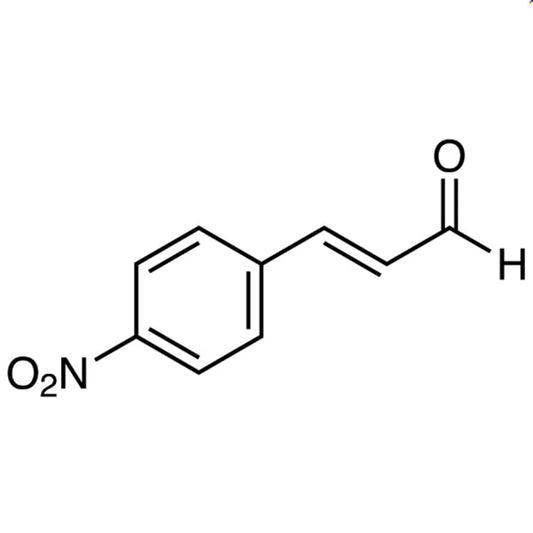
(E)-4-Nitrocinnamaldehyde TCI N0541
Regular price Rp 3.498.600,00Regular price -
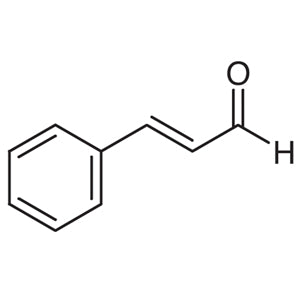
trans-Cinnamaldehyde TCI C0352
Regular price From Rp 477.750,00Regular price -
4-NitrocinnamylAlcohol TCI N0690
Regular price From Rp 1.618.050,00Regular price -
trans-4-Bromocinnamaldehyde TCI B4337
Regular price From Rp 1.060.500,00Regular price -
alpha-Bromocinnamaldehyde TCI B1253
Regular price Rp 980.700,00Regular price -
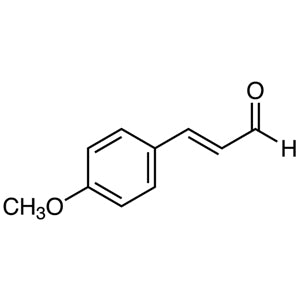
(E)-4-Methoxycinnamaldehyde TCI M1012
Regular price From Rp 823.200,00Regular price -
2-Hydroxycinnamaldehyde TCI H0952
Regular price Rp 12.694.500,00Regular price -
alpha-Hexylcinnamaldehyde TCI H0685
Regular price From Rp 530.250,00Regular price