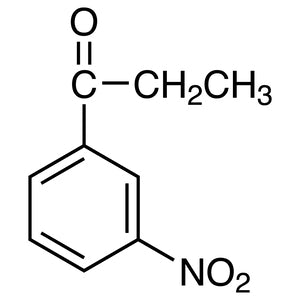
TCI N0789 3'-Nitropropiophenone is an aromatic ketone with a nitro group at the meta position of the benzene ring and a propanoyl chain on the other side. In organic synthesis laboratories it serves as a non-heterocyclic building block for constructing more complex molecules. Its two functional groups, the ketone carbonyl and the aromatic nitro group, can be modified independently. This lets researchers design controlled, stepwise synthetic routes that run from simple intermediates to candidate bioactive molecules or functional materials.
Researchers choose this compound because its reactivity is clear and easy to predict. The nitro group can be reduced to an aromatic amine, which then allows amidation, diazotization or further coupling reactions. The ketone group can be reduced to an alcohol, converted into an imine, or used in condensation reactions at the alpha position. Because the nitro group sits at the meta position, the compound has a different substitution pattern from its para and ortho isomers, which matters when researchers study structure-activity relationships. TCI's consistent product quality also makes experimental results easier to reproduce.
In Indonesia, this compound is relevant to university organic chemistry laboratories, pharmaceutical research and development units, and institutional research centres that work on new molecules. Graduate students and researchers can use it in multistep synthesis projects, in teaching functional group transformations, and in building libraries of related compounds for screening. Sourcing it through a local laboratory supplier helps research teams plan their synthesis work and keep supply dependable for ongoing projects.
- Multistep organic synthesis: the ketone and aromatic nitro groups can be modified separately, so chemists can build complex target molecules one controlled step at a time.
- Preparation of aromatic amine intermediates: reducing the nitro group gives an aromatic amine that can go on to amidation, diazotization or coupling reactions.
- Ketone transformation studies: the carbonyl group can be reduced to an alcohol, converted into an imine, or used in alpha-position condensation reactions, which makes it useful for exploring reaction scope.
- Structure-activity relationship research: its meta-nitro substitution pattern differs from the ortho and para isomers, so researchers can compare how substituent position affects activity.
- Teaching advanced organic chemistry: its predictable reactivity at two separate functional groups makes it a clear example for showing selective functional group transformations to students.
| Brand | TCI (product code N0789) |
|---|---|
| CAS number | 17408-16-1 |
| Molecular formula | — |
| Purity | — |
| Category | Chemistry > Building Blocks > Non-Heterocyclic Building Blocks |
| Pack sizes | as listed on the product page |
| Physical form | see the manufacturer's certificate of analysis |
| Storage | follow the storage conditions on the TCI label and safety data sheet |
Keep the product tightly sealed in its original container in a cool, dry, well-ventilated place, away from direct sunlight, heat sources and incompatible substances such as strong reducing agents and strong oxidizers. Always follow the specific storage conditions on the TCI label and safety data sheet. Handle it in a fume hood while wearing gloves, safety glasses and a lab coat. Avoid inhaling dust or vapour and avoid contact with skin and eyes. Label any portions you transfer clearly, and dispose of waste according to your institution's chemical waste procedures.
—
Produk Terkait
-
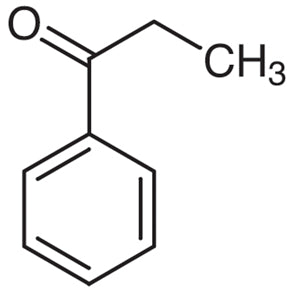
Propiophenone TCI P0519
Regular price From Rp 610.050,00Regular price -
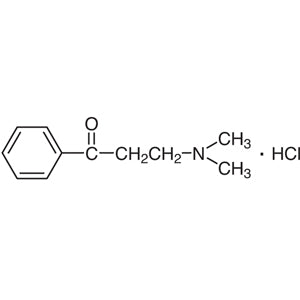
3-(Dimethylamino)propiophenoneHydrochloride TCI D2400
Regular price Rp 1.510.950,00Regular price -
2',4'-Dichloropropiophenone TCI D3937
Regular price Rp 1.538.250,00Regular price -
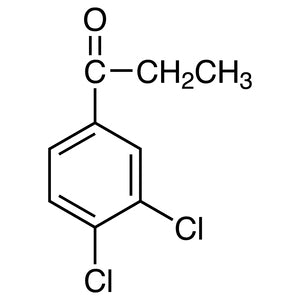
3',4'-Dichloropropiophenone TCI D3365
Regular price From Rp 2.016.000,00Regular price -
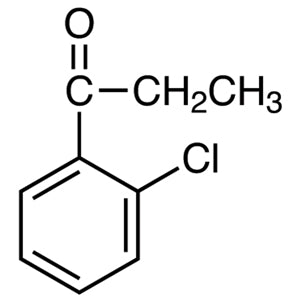
2'-Chloropropiophenone TCI C3323
Regular price Rp 2.147.250,00Regular price -
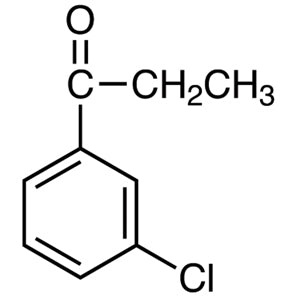
3'-Chloropropiophenone TCI C2033
Regular price From Rp 955.500,00Regular price -
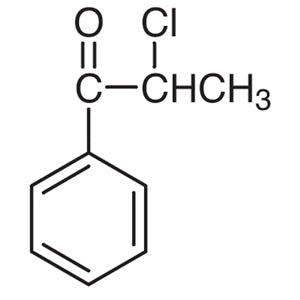
2-Chloropropiophenone TCI C1647
Regular price From Rp 1.670.550,00Regular price -
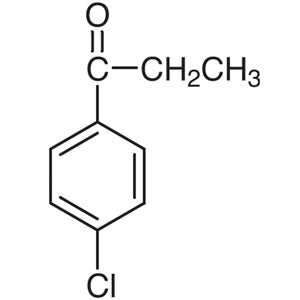
4'-Chloropropiophenone TCI C1616
Regular price Rp 769.650,00Regular price