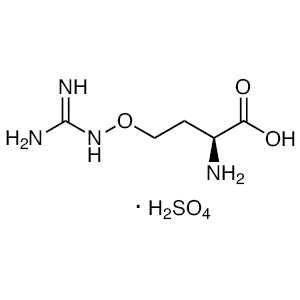
7-Nitroindazole is a chemical compound widely used in scientific research, particularly in the fields of cell biology and neuroscience. It serves as a key reagent in laboratory settings where the study of cellular signaling pathways and neural activity is essential. This compound is especially valuable for its ability to inhibit phosphodiesterase enzymes, which play a crucial role in regulating intracellular levels of cyclic adenosine monophosphate (cAMP). By modulating these pathways, 7-Nitroindazole enables researchers to investigate how cells respond to various stimuli and how signaling transduction mechanisms operate within biological systems.
One of the main reasons 7-Nitazole is preferred in laboratories is its chemical stability and solubility in organic solvents such as ethyl acetate and acetone. These properties make it easy to handle and incorporate into a wide range of experimental protocols. Additionally, its solid form facilitates precise weighing and easy handling, making it ideal for small-scale experiments. The compound’s consistent performance and reliability in different experimental conditions further enhance its appeal among researchers working in life sciences.
In Indonesian laboratories, 7-Nitroindazole is commonly used in neuroscience, pharmacology, and biotechnology research. Local scientists utilize it to study the effects of stimulants on neurons and to develop new neurologically based drugs. Its application in these fields is supported by its effectiveness in inhibiting phosphodiesterase and its compatibility with various experimental techniques. The compound’s role in advancing scientific understanding in these areas is well recognized among Indonesian researchers.
TCI brochures (PDF)
- Reactive Oxygen Species (ROS) and Oxidative Stress Research Reagents 2026-04-23 · p. 2
- Reagents for Biological Research 2025-03-11 · p. 37
Related TCI products
- Research on the inhibitory effects of phosphodiesterase on neuronal signaling pathways due to its selective action on enzyme activity.
- Testing the biological activity of compounds in drug development to understand their impact on neural function and cellular responses.
- Studying the modulation of cAMP levels in cells to explore the mechanisms behind cellular communication and signal transduction.
- Supporting pharmacological studies aimed at developing new treatments for neurological disorders by analyzing compound interactions with neural tissues.
- Facilitating experiments in biotechnology that require precise control over enzymatic reactions and cellular signaling processes.
| Brand | TCI |
|---|---|
| CAS number | 2942-42-9 |
| Molecular formula | — |
| Purity | — |
| Category | Life Science > Cell Biology > Cell Signaling and Neuroscience |
| Pack sizes | Available in various quantities as per standard laboratory supply formats |
| Physical form | Solid |
| Storage | Store in a cool, dry place away from light and moisture |
7-Nitroindazole should be stored in a cool, dry environment, away from direct sunlight and moisture to maintain its chemical stability. It is recommended to use airtight containers made of glass or high-density polyethylene to prevent contamination and degradation. Due to its organic solubility, it should be handled in a well-ventilated area to minimize exposure. Laboratory personnel should wear appropriate personal protective equipment, such as gloves and safety goggles, when handling the compound. Proper labeling of storage containers is essential to ensure safe access and prevent accidental use. The compound is non-hazardous under normal conditions but should be treated with care to avoid any potential risks associated with chemical handling.
—
Produk Terkait
-
6-Nitroindazole TCI N0399
Regular price From Rp 1.060.500,00Regular price -
AminoguanidineSulfate TCI A0309
Regular price From Rp 743.400,00Regular price -
AgmatineSulfate TCI A0310
Regular price From Rp 584.850,00Regular price -
1-[2-(Trifluoromethyl)phenyl]imidazole TCI T2982
Regular price From Rp 1.087.800,00Regular price -
Ammonium1-Pyrrolidinecarbodithioate[ReagentforAtomicAbsorptionAnalysis] TCI P0644
Regular price From Rp 1.298.850,00Regular price -
Melatonin TCI M1105
Regular price From Rp 1.936.200,00Regular price -
2,4-Diamino-6-hydroxypyrimidine TCI D1321
Regular price Rp 1.035.300,00Regular price -
L-CanavanineSulfate TCI C0018
Regular price Rp 2.571.450,00Regular price


![25371-96-4 1-[2-(Trifluoromethyl)phenyl]imidazole - AMI Scientific](http://amiscientific.com/cdn/shop/files/TCI2510T2982.jpg?v=1767143597&width=533)
![25371-96-4 1-[2-(Trifluoromethyl)phenyl]imidazole - AMI Scientific](http://amiscientific.com/cdn/shop/files/TCI2510T2982_5b32ad8f-93f1-4d42-9b45-f2193aa76553.jpg?v=1772425071&width=533)
![5108-96-3 Ammonium 1-Pyrrolidinecarbodithioate [Reagent for Atomic Absorption Analysis] - AMI Scientific](http://amiscientific.com/cdn/shop/files/TCI2510P0644.jpg?v=1769057312&width=533)