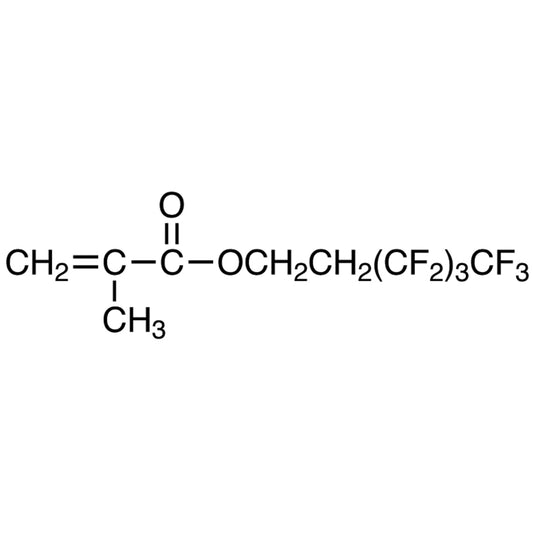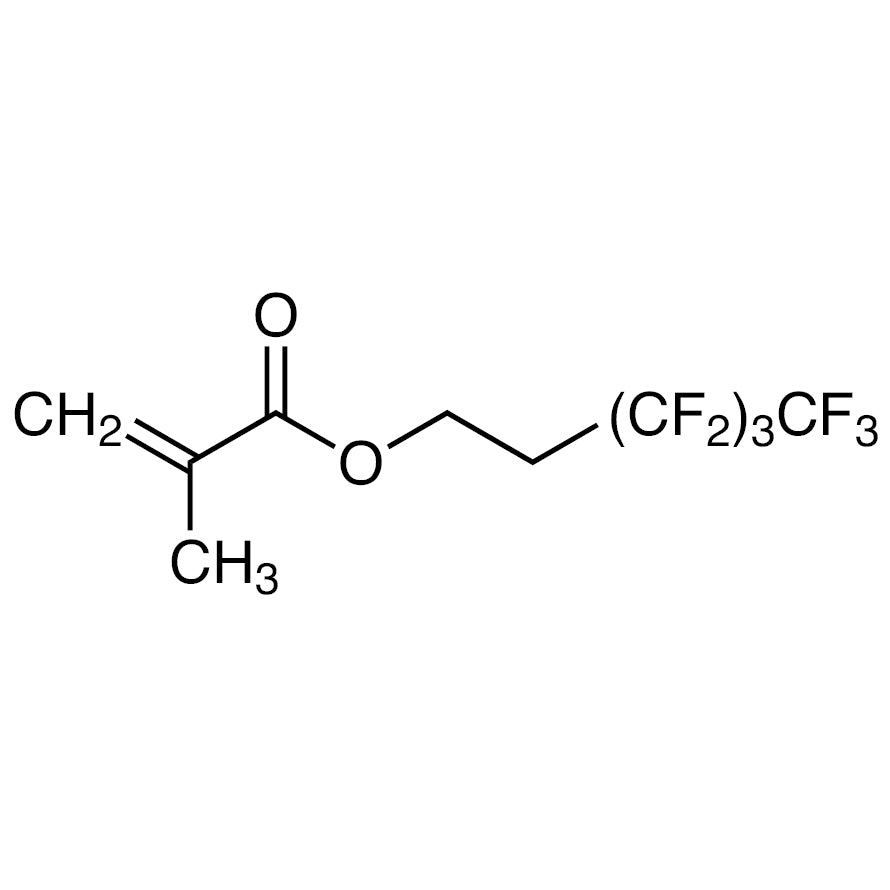
TCI N1143 1799-84-4 1H,1H,2H,2H-Nonafluorohexyl Methacrylate (stabilized with TBC) is a specialized monomer used in chemical and materials science laboratories for advanced polymer synthesis. This compound is a fluorinated methacrylate derivative, making it a key component in the development of functional polymers with unique surface properties. Its high fluorination level contributes to its exceptional chemical and environmental resistance, making it a versatile material for various scientific applications. In laboratory settings, it serves as a building block for creating materials with tailored properties, such as hydrophobicity, oleophobicity, and chemical inertness.
The properties of TCI N1143 make it a preferred choice for researchers and scientists. It exhibits good solubility in organic solvents, ensuring compatibility with a wide range of synthetic processes. Its chemical stability and controlled reactivity allow for precise polymerization reactions, leading to the formation of polymers with specific functional characteristics. The stabilization with tert-butyl carbonate (TBC) enhances its shelf life and usability, reducing the risk of degradation during storage and handling. These features make it an essential reagent for advanced materials research.
In Indonesian laboratories, this compound is widely used in research related to materials science and chemical engineering. It is commonly found in projects focused on developing coatings, electronic materials, and biomedical applications. Its role in creating high-performance polymers is critical for innovation in various scientific fields. Researchers in Indonesia rely on this material for its reliability and effectiveness in producing materials with specialized properties.
- Polymer synthesis for creating hydrophobic and oleophobic coatings due to its fluorinated structure and controlled reactivity.
- Development of advanced electronic materials requiring chemical stability and resistance to environmental factors.
- Fabrication of biomedical materials with specific surface properties for drug delivery and medical device applications.
- Research in surface modification techniques to enhance material performance in harsh chemical environments.
- Creation of specialty polymers for industrial applications such as lubricants, sealants, and protective coatings.
| Brand | TCI |
|---|---|
| CAS number | 1799-84-4 |
| Molecular formula | — |
| Purity | — |
| Category | Materials Science > Polymer/Macromolecule Reagents > Monomers |
| Pack sizes | Available in various quantities as per supplier specifications |
| Physical form | Liquid |
| Storage | Store in a cool, dry place away from direct sunlight and moisture |
This material should be stored in a cool, dry environment, away from direct sunlight and moisture to maintain its stability and effectiveness. It is recommended to use sealed containers made of polyethylene or glass to prevent contamination and evaporation. Due to its chemical nature, it should be handled with appropriate personal protective equipment, including gloves and safety goggles, to ensure safe laboratory practices. Avoid exposure to heat and open flames to prevent any potential hazards. Proper ventilation is essential when working with this compound to minimize inhalation risks. Always follow standard laboratory safety protocols to ensure safe handling and storage.
—
Produk Terkait
-
1H,1H,2H,2H-NonafluorohexylMethacrylate(stabilizedwithMEHQ) TCI N1014
Regular price From Rp 1.590.750,00Regular price -
1H,1H,2H,2H-NonafluorohexylAcrylate(stabilizedwithTBC) TCI N1107
Regular price From Rp 1.670.550,00Regular price -
2,2,3,3-TetrafluoropropylMethacrylate(stabilizedwithMEHQ) TCI T3728
Regular price From Rp 557.550,00Regular price -
1H,1H,2H,2H-Tridecafluoro-n-octylMethacrylate(stabilizedwithHQ+MEHQ) TCI T3414
Regular price From Rp 1.273.650,00Regular price -
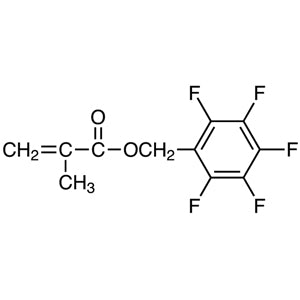
PentafluorobenzylMethacrylate(stabilizedwithBHT) TCI P2546
Regular price From Rp 4.399.500,00Regular price -
2,2,3,3,3-PentafluoropropylMethacrylate(stabilizedwithTBC) TCI P2353
Regular price From Rp 1.696.800,00Regular price -
PentafluorophenylMethacrylate(stabilizedwithMEHQ) TCI P2289
Regular price From Rp 2.227.050,00Regular price -
1H,1H,5H-OctafluoropentylMethacrylate(stabilizedwithMEHQ) TCI O0481
Regular price From Rp 903.000,00Regular price