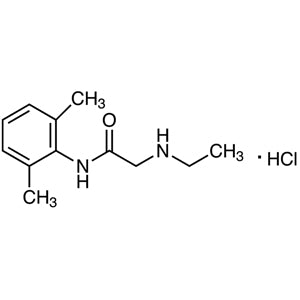
Norlidocaine Hydrochloride is a chemical compound widely utilized in pharmacological and biochemical research. It serves as a key reagent in experimental settings where the analysis of pharmacological activity or the testing of pharmacological effects on various biological systems is required. This compound plays a crucial role in laboratory experiments aimed at understanding the interaction between chemical agents and biological functions. Its application spans across multiple scientific disciplines, making it an essential tool for researchers in the field of life sciences.
The compound is valued for its chemical stability and good solubility in organic solvents. These characteristics make it highly compatible with a range of analytical techniques, including spectroscopy, chromatography, and other chemical reactions. Its stability ensures consistent results in experiments, while its solubility facilitates easy handling and integration into different experimental protocols. These properties contribute to its popularity among researchers seeking reliable and reproducible outcomes.
In Indonesian laboratories, Norlidocaine Hydrochloride is commonly used by pharmacologists, biochemists, and health science researchers. It is an integral part of drug development processes, pharmacological effect testing, and studies on the mechanisms of active compounds within the human body. Its versatility and reliability make it a preferred choice for both academic and industrial research applications.
TCI brochures (PDF)
- Pharmacologically Active Metabolites 2025-07-22 · p. 2
- Pharmaceutical Ingredients for Research and Experimental Use 2026-03-09 · p. 47
- Pharmacological activity testing: This item is ideal for assessing how chemical agents interact with biological systems, providing insights into their potential therapeutic effects.
- Drug development research: Norlidocaine Hydrochloride supports the evaluation of new compounds, aiding in the discovery and optimization of pharmaceutical products.
- Biochemical analysis: Its solubility and stability make it suitable for use in various analytical methods, enhancing the accuracy of experimental results.
- Neuropharmacological studies: The compound is used to investigate its effects on the nervous system, contributing to the understanding of neurological mechanisms.
- Cardiovascular research: It is employed in experiments examining its impact on the cardiovascular system, aiding in the study of related physiological processes.
From the TCI brochure
- A Voltage Gated Sodium Channel Blocker
| Brand | TCI |
|---|---|
| CAS number | 7729-94-4 |
| Molecular formula | — |
| Purity | — |
| Category | Life Science > Biochemicals and Reagents > Pharmaceutical Research Reagents |
| Pack sizes | Available in various quantities as per standard laboratory requirements |
| Physical form | Solid powder |
| Storage | Store in a cool, dry place away from direct sunlight |
Norlidocaine Hydrochloride should be stored in a cool, dry environment to maintain its chemical stability and prevent degradation. It is recommended to use airtight containers to protect it from moisture and contaminants. Since it is a chemical reagent, it should be handled with appropriate laboratory safety measures, such as wearing gloves and goggles. Avoid exposure to direct sunlight and ensure proper ventilation in the workspace. The compound is non-toxic and relatively safe for experimental use, but standard laboratory precautions should still be followed to ensure safe handling and storage.
—
Product Categories
- Biochemicals and ReagentsPharmaceutical Research Reagents (for Experimental Use)Pharmaceutical Research Reagents (Others)
- Biochemicals and ReagentsBioactive CompoundsPharmacologically Active Metabolites
- Pharmaceutical Development and Drug Discovery ResearchPharmaceutical Research Reagents (for Experimental Use)Pharmaceutical Research Reagents (Others)
Produk Terkait
-
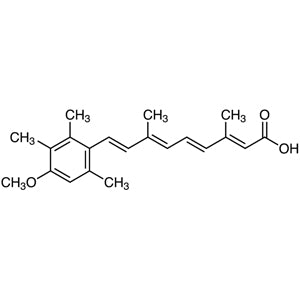
Acitretin TCI A3097
Regular price From Rp 2.279.550,00Regular price -
Tizoxanide TCI T3862
Regular price From Rp 7.102.200,00Regular price -
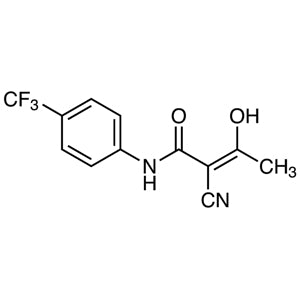
Teriflunomide TCI T3287
Regular price From Rp 2.782.500,00Regular price -
Tenofovir TCI T3006
Regular price From Rp 2.094.750,00Regular price -
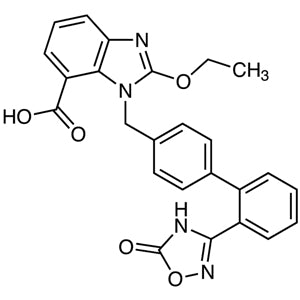
Azilsartan TCI A2601
Regular price From Rp 2.332.050,00Regular price -
Paliperidone TCI P1897
Regular price From Rp 4.108.650,00Regular price -
Olmesartan TCI O0507
Regular price Rp 2.359.350,00Regular price -
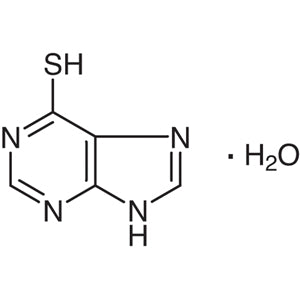
6-MercaptopurineMonohydrate TCI M0063
Regular price From Rp 477.750,00Regular price