![2945911-70-4 4-Nitrophenyl [2-[3-[(Prop-2-yn-1-yloxy)methyl]-3H-diazirin-3-yl]ethyl] Carbonate - AMI Scientific](http://amiscientific.com/cdn/shop/files/TCI2510N1200.jpg?v=1767130925&width=1946)
![2945911-70-4 4-Nitrophenyl [2-[3-[(Prop-2-yn-1-yloxy)methyl]-3H-diazirin-3-yl]ethyl] Carbonate - AMI Scientific](http://amiscientific.com/cdn/shop/files/TCI2510N1200.jpg?v=1767130925&width=1445)
The TCI N1200, with CAS number 2945911-70-4, is a highly specialized chemical compound used in chemical biology, particularly in conjugation chemistry and click chemistry applications. This compound is designed to facilitate rapid and efficient chemical reactions, enabling precise molecular interactions in laboratory settings. Its unique molecular structure allows it to selectively bind to target molecules, making it a valuable tool for advanced research in biomedicine and molecular diagnostics.
This compound is preferred due to its high specificity, stability under standard laboratory conditions, and compatibility with a wide range of substrates. Its chemical properties ensure reliable performance in various reaction conditions, making it a versatile reagent for researchers. The molecule's design supports efficient conjugation processes, which are essential for developing diagnostic tools and molecular testing systems. Its effectiveness in promoting targeted chemical reactions enhances the accuracy and reproducibility of experimental outcomes.
In Indonesian laboratories, this compound is commonly used by researchers in universities, research institutes, and clinical laboratories. It plays a crucial role in the development of diagnostic assays and molecular testing methods. Its application in biomedicine is particularly significant, supporting advancements in precision medicine and diagnostic technologies. The compound's reliability and performance make it a preferred choice for high-precision research applications in Indonesia.
TCI brochures (PDF)
- Photoreactive Labeling Agents 2024-02-15 · p. 1
- Click Chemistry 2026-09-08 · p. 15
Related TCI products
- TCI P2843 2-[3-[(Prop-2-yn-1-yloxy)methyl]-3H-diazirin-3-yl]ethan-1-ol
- TCI B6421 4039-82-1 [(Prop-2-yn-1-yloxy)methyl]benzene
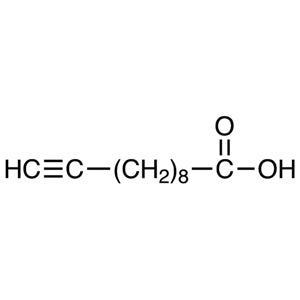
- TCI U0054 2777-65-3 10-Undecynoic Acid
- TCI T3114 208827-90-1 Triethylene Glycol Mono(2-propynyl) Ether
- TCI P2341 6089-09-4 4-Pentynoic Acid
- TCI P2283 1393330-40-9 Propargyl-PEG5-NHS Ester
- Biomedical Research: This compound is ideal for developing diagnostic assays due to its ability to form stable conjugates with biomolecules.
- Molecular Diagnostics: Its selective binding properties make it suitable for creating highly specific detection systems in diagnostic testing.
- Click Chemistry Applications: The compound's rapid and efficient reaction profile supports the development of click chemistry-based reagents for labeling and conjugation.
- Drug Conjugation Studies: Its molecular structure enables precise attachment to therapeutic agents, facilitating targeted drug delivery research.
- Bioconjugate Development: The compound's versatility allows it to be used in creating bioconjugates for various applications in life sciences research.
From the TCI brochure
- Building block for synthesis of photoreactive labeling reagents that add an alkyne moiety to the target molecule by photo-crosslinking with diazirine moieties
| Brand | TCI |
|---|---|
| CAS number | 2945911-70-4 |
| Molecular formula | — |
| Purity | — |
| Category | Chemistry > Chemical Biology > Conjugation Chemistry/Click Chemistry |
| Pack sizes | Available in standard laboratory quantities as per supplier specifications |
| Physical form | Solid, typically in powder form |
| Storage | Store in a cool, dry place away from light and moisture |
Data from the TCI brochure
| Kemasan | 100mg |
|---|
Source: TCI brochure LL105 (2024-02-15)
This compound should be stored in a cool, dry environment, away from direct light and moisture to maintain its stability and effectiveness. It is recommended to use airtight containers to prevent exposure to humidity and contaminants. Due to its chemical nature, it should be handled in a well-ventilated area, and appropriate personal protective equipment, such as gloves and safety goggles, should be worn. Avoid contact with incompatible materials, and ensure proper disposal in accordance with local regulations. Regular monitoring of storage conditions is advised to ensure the compound remains in optimal condition for use in laboratory applications.
—
Product Categories
- Chemical BiologyConjugation Chemistry/Click ChemistryCrosslinker Azides/Alkynes [Conjugation Chemistry/Click Chemistry]
- Chemical BiologyConjugation Chemistry/Click ChemistryTerminal Alkynes [Conjugation Chemistry/Click Chemistry]
- Chemical BiologyLinkers and CrosslinkersPhoto-reactive Crosslinkers
- Chemical BiologyBioconjugationPhoto-reactive Crosslinkers
- Pharmaceutical Development and Drug Discovery Research ReagentsLinkers and CrosslinkersPhoto-reactive Crosslinkers
- Biochemicals and ReagentsBioconjugationPhoto-reactive Crosslinkers
- Pharmaceutical Development and Drug Discovery ResearchBioconjugationPhoto-reactive Crosslinkers
- Pharmaceutical Development and Drug Discovery ResearchLinkers and CrosslinkersPhoto-reactive Crosslinkers
- Pharmaceutical Development and Drug Discovery ResearchConjugation Chemistry/Click ChemistryCrosslinker Azides/Alkynes [Conjugation Chemistry/Click Chemistry]
- Pharmaceutical Development and Drug Discovery ResearchConjugation Chemistry/Click ChemistryTerminal Alkynes [Conjugation Chemistry/Click Chemistry]
Produk Terkait
-
TCI P2843 2-[3-[(Prop-2-yn-1-yloxy)methyl]-3H-diazirin-3-yl]ethan-1-ol
Regular price Rp 7.949.550,00Regular priceRp 5.574.450,00Sale price Rp 7.949.550,00 -
[(Prop-2-yn-1-yloxy)methyl]benzene TCI B6421
Regular price Rp 2.094.750,00Regular priceRp 1.464.750,00Sale price Rp 2.094.750,00 -
10-UndecynoicAcid TCI U0054
Regular price Rp 1.060.500,00Regular priceRp 757.050,00Sale price Rp 1.060.500,00 -
TriethyleneGlycolMono(2-propynyl)Ether TCI T3114
Regular price Rp 2.464.350,00Regular priceRp 1.738.800,00Sale price Rp 2.464.350,00 -
4-PentynoicAcid TCI P2341
Regular price Rp 1.590.750,00Regular priceRp 1.127.700,00Sale price Rp 1.590.750,00 -
Propargyl-PEG5-NHSEster TCI P2283
Regular price Rp 4.266.150,00Regular priceRp 2.998.800,00Sale price Rp 4.266.150,00 -
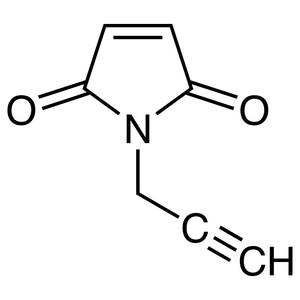
N-Propargylmaleimide TCI P2139
Regular price Rp 2.147.250,00Regular priceRp 1.517.250,00Sale price Rp 2.147.250,00 -
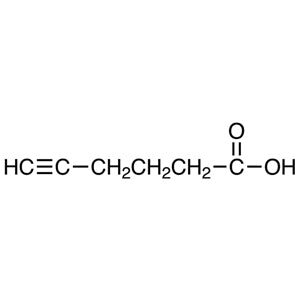
5-HexynoicAcid TCI H0882
Regular price Rp 2.199.750,00Regular priceRp 1.554.000,00Sale price Rp 2.199.750,00
![2-[3-[(Prop-2-yn-1-yloxy)methyl]-3H-diazirin-3-yl]ethan-1-ol - AMI Scientific](http://amiscientific.com/cdn/shop/files/TCI2510P2843.jpg?v=1767136688&width=533)
![[(Prop-2-yn-1-yloxy)methyl]benzene (CAS 4039-82-1) - TCI B6421 - AMI Scientific](http://amiscientific.com/cdn/shop/files/TCI2510B6421_2d5e2e8a-6d72-46e5-af66-b327aefce0de.jpg?v=1767865713&width=533)