

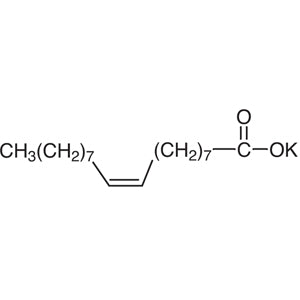
Potassium Oleate (TCI O0056) is a chemical compound widely used in laboratory experiments across various scientific disciplines. As a key component in organic synthesis, it serves as a versatile reagent that can act as a catalyst, reactant, or auxiliary in different chemical reactions. Its role in laboratory settings is crucial for researchers aiming to develop new compounds or characterize materials. Potassium Oleate is particularly valued for its stability and reactivity, making it a reliable choice for both academic and industrial applications.
The properties of Potassium Oleate that make it a preferred choice include its amphoteric nature and ability to interact with a wide range of compounds. Its molecular structure consists of a long carbon chain and an ionized carboxylate group, which allows it to function effectively in both acidic and basic environments. This versatility enhances its applicability in diverse chemical processes. Additionally, its stability under various reaction conditions ensures consistent results, making it a trusted material for laboratory use.
In Indonesian laboratories, Potassium Oleate is extensively used in chemical research and industrial applications. It is commonly found in research institutions and universities where it is employed for organic synthesis, material characterization, and the development of new chemical products. Its availability in various packaging options further facilitates its use in both small-scale and large-scale experiments.
- Organic Synthesis: Potassium Oleate is widely used in the synthesis of organic compounds due to its ability to act as a source of oleate ions, which can participate in various reaction mechanisms.
- Material Characterization: It is employed in the analysis of materials to study their chemical properties and interactions under different conditions.
- Catalytic Reactions: Its role as a catalyst in certain reactions makes it valuable for accelerating chemical processes without being consumed.
- Industrial Chemistry: It is used in industrial settings for the production of specialty chemicals and surfactants due to its functional properties.
- Analytical Chemistry: Potassium Oleate is used in analytical procedures to test the reactivity and compatibility of other compounds in a controlled environment.
| Brand | TCI |
|---|---|
| CAS number | 143-18-0 |
| Molecular formula | — |
| Purity | — |
| Category | Chemistry > Building Blocks > Non-Heterocyclic Building Blocks |
| Pack sizes | Available in various packaging options to suit different laboratory needs |
| Physical form | Solid or powder, depending on the specific product variant |
| Storage | Store in a cool, dry place away from moisture and direct sunlight |
Potassium Oleate should be stored in a cool, dry environment to maintain its chemical stability and prevent degradation. It is recommended to use airtight containers made of materials such as glass or plastic to protect it from moisture and contaminants. Since it is a chemical compound, it should be handled with care, using appropriate personal protective equipment such as gloves and safety goggles. Avoid exposure to high temperatures and direct sunlight to ensure long-term storage integrity. In laboratory settings, it is essential to follow standard safety protocols to minimize risks associated with chemical handling. Proper labeling and storage conditions will help ensure safe and effective use in research and industrial applications.
—
Produk Terkait
-
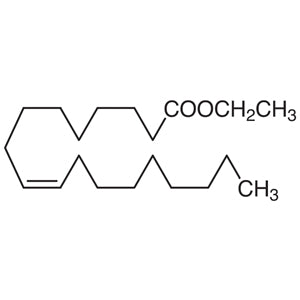
EthylOleate TCI O0143
Regular price From Rp 1.378.650,00Regular price -
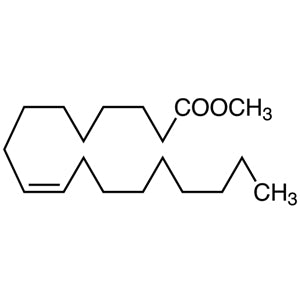
MethylOleate TCI O0055
Regular price From Rp 505.050,00Regular price -
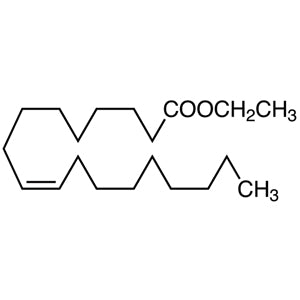
EthylOleate TCI O0054
Regular price From Rp 477.750,00Regular price -
MethylOleate[StandardMaterialforGC] TCI S0326
Regular price Rp 3.100.650,00Regular price -
SodiumOleate TCI O0057
Regular price From Rp 557.550,00Regular price -
CholesterolOleate TCI C0559
Regular price Rp 2.969.400,00Regular price
![112-62-9 Methyl Oleate [Standard Material for GC] - AMI Scientific](http://amiscientific.com/cdn/shop/files/TCI2510S0326.jpg?v=1769143459&width=533)

