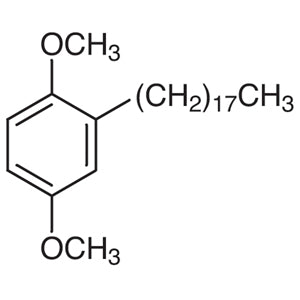
2-Octadecyl-1,4-dimethoxybenzene is a chemical compound widely used in organic reactions for the synthesis of complex molecules. As a building block in chemical research, it plays a crucial role in the development of new compounds and materials. Its unique molecular structure enables it to participate in various synthetic pathways, making it an essential tool for chemists working in both academic and industrial settings. This compound is particularly valuable in laboratories where precision and control over chemical reactions are paramount.
The compound's long hydrocarbon chain and methoxy groups contribute to its reactivity and stability, making it a preferred choice for specific chemical transformations. These properties allow it to be used in substitution reactions, esterification, and other processes that require controlled chemical behavior. Its ability to maintain structural integrity under various reaction conditions enhances its utility in laboratory environments. The combination of reactivity and stability ensures that it remains a reliable component in synthetic chemistry.
In Indonesian laboratories, 2-Octadecyl-1,4-dimethoxybenzene is commonly used in organic chemistry research, material development, and industrial applications. It supports a wide range of experimental activities, including the synthesis of aromatic compounds and the formulation of specialized chemical products. Its availability ensures that researchers and institutions can conduct experiments with the necessary materials, contributing to scientific advancement and innovation.
Related TCI products
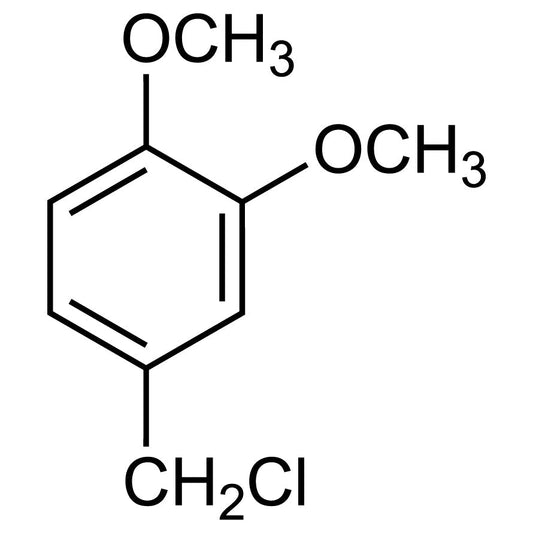
- TCI V0211 7306-46-9 4-(Chloromethyl)-1,2-dimethoxybenzene
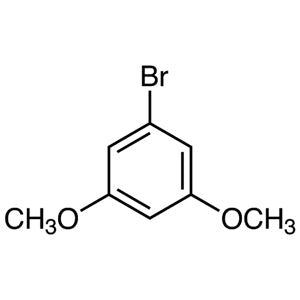
- TCI B3848 20469-65-2 1-Bromo-3,5-dimethoxybenzene
- TCI B3488 16932-45-9 2-Bromo-1,3-dimethoxybenzene
- TCI B2649 1379163-23-1 2,6-Bis(chloromethyl)-1,4-dimethoxybenzene
- TCI B2618 78840-04-7 2,6-Bis(hydroxymethyl)-1,4-dimethoxybenzene
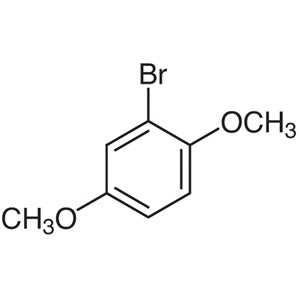
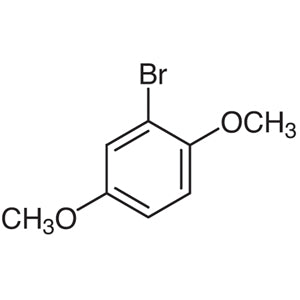
- TCI B1979 25245-34-5 1-Bromo-2,5-dimethoxybenzene
- Organic synthesis research utilizes this compound for creating complex molecular structures due to its reactivity and stability.
- Development of aromatic compounds benefits from its long hydrocarbon chain, which provides structural versatility in synthetic pathways.
- Formulation of specialty chemical products relies on its ability to participate in controlled chemical reactions, ensuring product consistency.
- Material science applications leverage its molecular structure for the creation of advanced polymers and coatings.
- Industrial chemical production uses it as a key building block in the development of high-performance chemical compounds.
| Brand | TCI |
|---|---|
| CAS number | 88702-69-6 |
| Molecular formula | — |
| Purity | — |
| Category | Chemistry > Building Blocks > Non-Heterocyclic Building Blocks |
| Pack sizes | Available in various quantities to meet different laboratory needs |
| Physical form | Liquid |
| Storage | Store in a cool, dry place away from direct sunlight |
This compound should be stored in a cool, dry environment, away from direct sunlight and sources of heat. It is recommended to use airtight containers made of glass or high-density polyethylene to prevent contamination and maintain purity. Due to its chemical nature, it should be handled in a well-ventilated area, and appropriate personal protective equipment, such as gloves and safety goggles, should be worn. Avoid exposure to incompatible substances, and ensure that storage areas are secure to prevent accidental spills or contamination. Proper handling and storage are essential to maintain the compound's integrity and ensure safe laboratory practices.
—
Produk Terkait
-
4-(Chloromethyl)-1,2-dimethoxybenzene TCI V0211
Regular price Rp 2.359.350,00Regular price -
1-Bromo-3,5-dimethoxybenzene TCI B3848
Regular price From Rp 795.900,00Regular price -
2-Bromo-1,3-dimethoxybenzene TCI B3488
Regular price From Rp 823.200,00Regular price -
2,6-Bis(chloromethyl)-1,4-dimethoxybenzene TCI B2649
Regular price Rp 3.075.450,00Regular price -
2,6-Bis(hydroxymethyl)-1,4-dimethoxybenzene TCI B2618
Regular price Rp 2.837.100,00Regular price -
1-Bromo-2,5-dimethoxybenzene TCI B1979
Regular price From Rp 2.439.150,00Regular price -
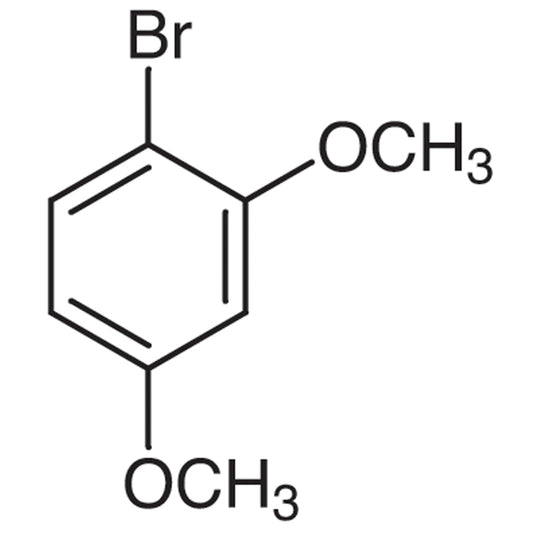
1-Bromo-2,4-dimethoxybenzene TCI B1481
Regular price Rp 717.150,00Regular price -
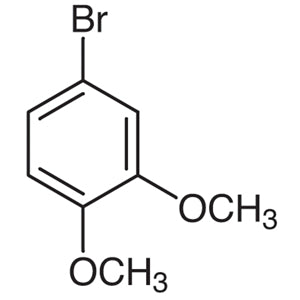
4-Bromo-1,2-dimethoxybenzene TCI B1021
Regular price Rp 1.856.400,00Regular price