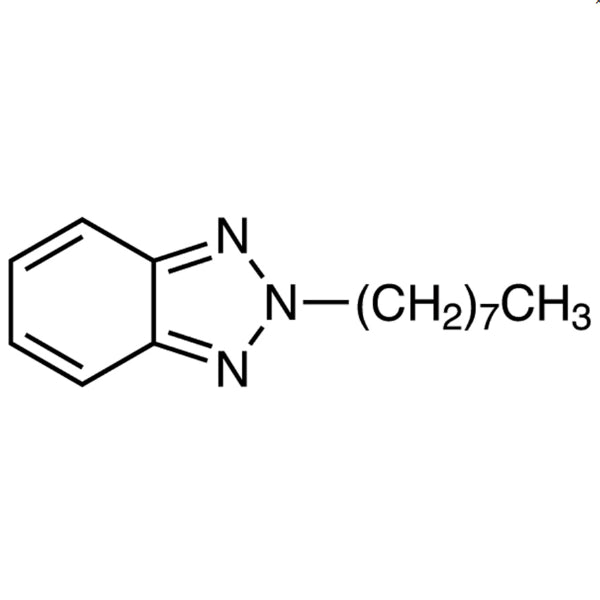
2-n-Octylbenzotriazole is a chemical compound widely used in scientific and industrial applications, particularly in the field of materials science and chemistry. It functions as a UV inhibitor, protecting materials from degradation caused by exposure to ultraviolet light. In laboratory settings, it serves as a key building block in polymer synthesis, especially for creating materials that are resistant to sunlight. Its role is critical in developing advanced materials with enhanced durability and performance.
The compound is preferred due to its stable molecular structure and reactive properties, which allow it to interact effectively with various chemical substrates. Its non-volatile nature and chemical stability under specific conditions make it ideal for use in controlled laboratory environments. Additionally, its non-mercurial composition ensures safety in applications requiring environmental and health considerations. These attributes contribute to its reliability and effectiveness in both research and industrial contexts.
In Indonesian laboratories, 2-n-Octylbenzotriazole is commonly used in material research, particularly in the development of UV-resistant polymer materials. It supports a wide range of studies aimed at improving the longevity and performance of materials exposed to harsh environmental conditions. Its availability and reliability make it a valuable resource for researchers and institutions working on advanced material synthesis and application.
TCI brochures (PDF)
- Building Blocks for Organic Semiconductor 2026-03-24 · p. 39
Related TCI products
- TCI D4514 890704-02-6 4,7-Dibromo-2-(6-bromohexyl)benzotriazole
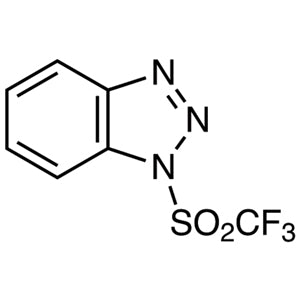
- TCI T3167 117632-84-5 1-(Trifluoromethanesulfonyl)-1H-benzotriazole
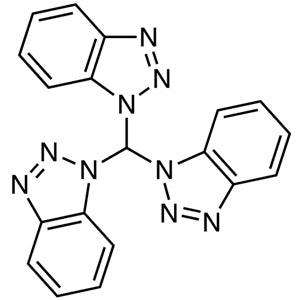
- TCI T3141 88088-95-3 Tris(1H-benzotriazol-1-yl)methane
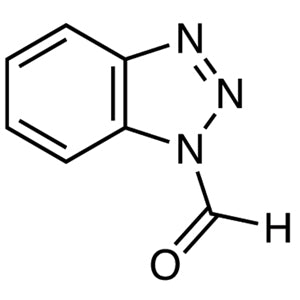
- TCI B3920 72773-04-7 1H-Benzotriazole-1-carboxaldehyde
- TCI B1967 124337-34-4 9-(1H-Benzotriazol-1-ylmethyl)-9H-carbazole
- TCI B1903 28539-02-8 1H-Benzotriazole-1-methanol
- UV-resistant polymer development: This compound is ideal for creating materials that can withstand prolonged exposure to sunlight, making it essential for polymer synthesis in material science research.
- Chemical synthesis of advanced materials: Its reactive properties enable it to participate in complex chemical reactions, supporting the creation of innovative material structures.
- Environmental protection testing: It is used to evaluate the stability and degradation resistance of materials under UV exposure, aiding in the development of durable products.
- Coating and surface treatment formulations: Its ability to interact with various substrates makes it suitable for formulating protective coatings that enhance material longevity.
- Research in photostable compounds: It is a key component in studies focused on developing materials that maintain their properties under UV radiation, contributing to scientific advancements.
| Brand | TCI |
|---|---|
| CAS number | 112642-69-0 |
| Molecular formula | — |
| Purity | — |
| Category | Materials Science > Material Building Blocks > Polymer/Macromolecule Semiconductor Building Blocks |
| Pack sizes | Available in various quantities suitable for laboratory and industrial use |
| Physical form | Solid, typically in powder or crystalline form |
| Storage | Store in a cool, dry place away from direct sunlight and moisture |
This compound should be stored in a cool, dry location, away from direct sunlight and moisture to maintain its chemical stability. It is recommended to use airtight containers to prevent exposure to air and humidity, which could affect its performance. Due to its non-mercurial nature, it is safe for handling in standard laboratory conditions, but personal protective equipment such as gloves and safety goggles should be worn when handling. It is important to ensure that the storage area is well-ventilated to minimize any potential risks associated with its use. Proper labeling and storage practices help maintain the integrity of the compound and ensure safe handling in laboratory environments.
—
Produk Terkait
-
4,7-Dibromo-2-(6-bromohexyl)benzotriazole TCI D4514
Regular price Rp 1.618.050,00Regular priceRp 1.146.600,00Sale price Rp 1.618.050,00 -
1-(Trifluoromethanesulfonyl)-1H-benzotriazole TCI T3167
Regular price From Rp 1.670.550,00Regular priceRp 1.183.350,00Sale price From Rp 1.670.550,00 -
Tris(1H-benzotriazol-1-yl)methane TCI T3141
Regular price From Rp 2.227.050,00Regular priceRp 1.572.900,00Sale price From Rp 2.227.050,00 -
1H-Benzotriazole-1-carboxaldehyde TCI B3920
Regular price From Rp 2.757.300,00Regular priceRp 1.943.550,00Sale price From Rp 2.757.300,00 -
9-(1H-Benzotriazol-1-ylmethyl)-9H-carbazole TCI B1967
Regular price From Rp 1.378.650,00Regular priceRp 979.650,00Sale price From Rp 1.378.650,00 -
1H-Benzotriazole-1-methanol TCI B1903
Regular price Rp 1.749.300,00Regular priceRp 1.239.000,00Sale price Rp 1.749.300,00 -
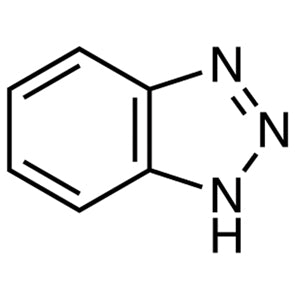
1,2,3-Benzotriazole TCI B0094
Regular price From Rp 557.550,00Regular priceRp 405.300,00Sale price From Rp 557.550,00 -
4-n-OctylbenzoicAcid TCI O0137
Regular price From Rp 955.500,00Regular priceRp 683.550,00Sale price From Rp 955.500,00