Oxibendazole, with CAS number 20559-55-1, is a widely used chemical compound in the field of life sciences, particularly in research related to parasites and infections. This compound is a key reagent in biochemical and pharmaceutical studies due to its potent antiparasitic activity, especially against nematode worms. Its role in laboratory settings is critical for various experimental procedures, including toxicity testing, pharmacological studies, and biochemical analysis. Oxibendazole is valued for its stability and compatibility with diverse biological systems, making it a reliable choice for scientific investigations.
Oxibendazole is preferred due to its stable chemical structure and ability to interact specifically with biological targets. Its non-toxic nature at appropriate dosages ensures safety in controlled laboratory environments. Additionally, its resistance to environmental conditions allows for consistent performance across different experimental setups. These properties make it an essential component in research focused on parasitic diseases and their treatment. Its chemical complexity also enables it to be used in advanced studies involving drug development and mechanism of action.
In Indonesian laboratories, Oxibendazole is commonly used in public health research, especially in studies related to parasitic infections affecting humans and animals. Its application extends to both academic and applied research, supporting efforts to understand and combat parasitic diseases. Due to its effectiveness and reliability, it is a favored reagent among researchers working in the field of parasitology and infectious disease studies.
TCI brochures (PDF)
- Antimicrobials and Antitumor Agents for Research and Experimental Use 2025-04-24 · p. 11
- Pharmaceutical Ingredients for Research and Experimental Use 2026-03-09 · p. 11
- Parasitic Infection Research: Oxibendazole is ideal for studying nematode infections due to its potent antiparasitic activity, enabling effective testing of parasitic control mechanisms.
- Toxicity Testing: Its stable nature allows it to be used in assessing the toxicity of compounds in controlled environments, ensuring accurate and reproducible results.
- Pharmacological Studies: The compound’s specific interaction with biological targets makes it suitable for investigating drug mechanisms and therapeutic effects.
- Biochemical Analysis: Its compatibility with various biological systems supports its use in biochemical assays, aiding in the understanding of metabolic pathways.
- Drug Development: Oxibendazole’s chemical complexity and effectiveness make it a valuable tool in the development of new antiparasitic agents and treatments.
| Brand | TCI |
|---|---|
| CAS number | 20559-55-1 |
| Molecular formula | — |
| Purity | — |
| Category | Life Science > Biochemicals and Reagents > Antibiotics |
| Pack sizes | Available in various quantities as per standard laboratory supply sizes |
| Physical form | Solid powder |
| Storage | Store in a cool, dry place away from light and moisture |
Oxibendazole should be stored in a cool, dry place away from direct light and moisture to maintain its stability and effectiveness. It is recommended to use airtight containers to prevent contamination and degradation. Due to its chemical nature, it should be handled with care, using appropriate personal protective equipment such as gloves and safety goggles. Proper labeling of containers is essential to ensure safe handling and prevent accidental exposure. In laboratory settings, it should be stored separately from incompatible substances to avoid any potential chemical reactions. Regular monitoring of storage conditions is advised to ensure the compound remains in optimal condition for use in research applications.
—
Product Categories
- Biochemicals and ReagentsAntibioticsAntibiotics (by Application)
- Biochemicals and ReagentsPharmaceutical Research Reagents (for Experimental Use)Antiparasitic Ingredients, Antiprotozoal Ingredients, Antihelminthic Ingredients (for Research and Experimental Use)
- MicrobiologyAntibioticsAntibiotics (by Application)
- Pharmaceutical Development and Drug Discovery ResearchPharmaceutical Research Reagents (for Experimental Use)Antiparasitic Ingredients, Antiprotozoal Ingredients, Antihelminthic Ingredients (for Research and Experimental Use)
- Pharmaceutical Development and Drug Discovery ResearchAntibioticsAntibiotics (by Application)
Produk Terkait
-
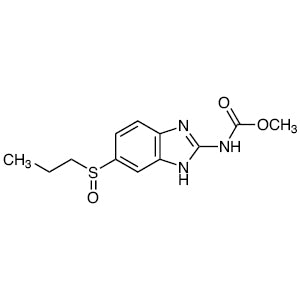
AlbendazoleSulfoxide TCI A3316
Regular price From Rp 1.060.500,00Regular price -
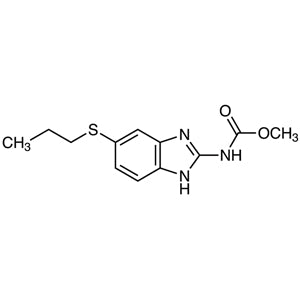
Albendazole TCI A1943
Regular price From Rp 928.200,00Regular price -
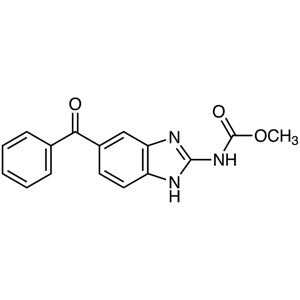
Mebendazole TCI M2273
Regular price From Rp 769.650,00Regular price -
Triclabendazole TCI T2826
Regular price Rp 743.400,00Regular price -
Flubendazole TCI F0825
Regular price From Rp 1.273.650,00Regular price -
TafenoquineSuccinate TCI T4392
Regular price Rp 8.187.900,00Regular price -
Tizoxanide TCI T3862
Regular price From Rp 7.102.200,00Regular price -
TetramisoleHydrochloride TCI T3663
Regular price Rp 2.041.200,00Regular price