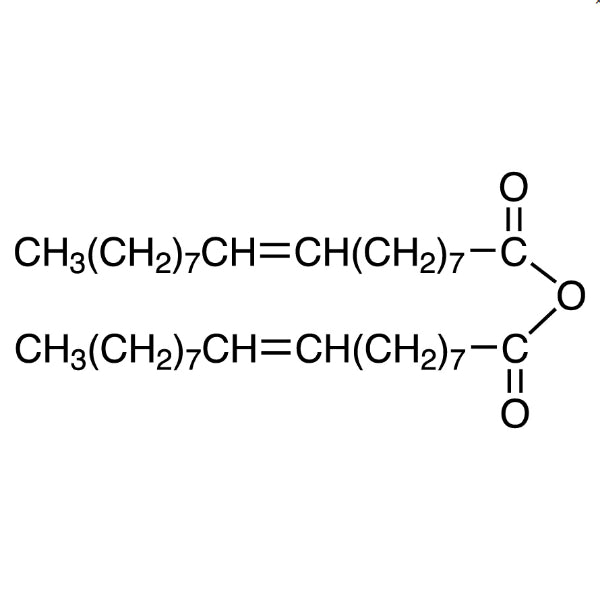
Oleic Anhydride (TCI O0680), with CAS number 24909-72-6, is an organic chemical widely used in laboratory settings for various chemical reactions, particularly in the synthesis of organic compounds. As an anhydride of oleic acid, it serves as a versatile reagent that can react with alcohols and amines to form esters and amides. This reactivity makes it a valuable component in the development of surfactants, solvents, and pharmaceutical intermediates. Its role in chemical synthesis is essential due to its ability to participate in esterification reactions, which are fundamental in organic chemistry.
The chemical's reactivity and ability to form esters and amides make it a preferred choice in laboratory applications. Oleic Anhydride is a liquid with a distinct odor and a relatively high boiling point, which contributes to its stability under controlled conditions. Its chemical structure allows it to be a key player in polymer research and catalytic studies. The compound’s stability in specific environments, combined with its effectiveness in promoting chemical transformations, makes it a reliable reagent for both academic and industrial research.
In Indonesian laboratories, Oleic Anhydride is commonly used in chemical, pharmaceutical, and material science research. Its availability and effectiveness make it a preferred choice for researchers looking to carry out efficient and high-quality chemical reactions. It is particularly useful in the development of new materials and pharmaceutical products, where precision and reliability are essential. The compound’s widespread use in these fields highlights its importance in the scientific community.
Related TCI products
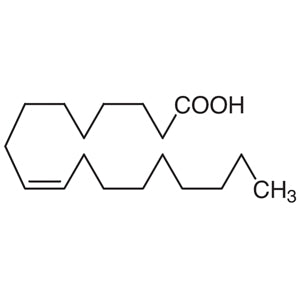
- TCI O0180 112-80-1 Oleic Acid
- TCI O0011 112-80-1 Oleic Acid
- TCI I0856 38103-06-9 4,4'-(4,4'-Isopropylidenediphenoxy)diphthalic Anhydride
- TCI V0006 2082-59-9 Valeric Anhydride
- TCI T3871 632-79-1 Tetrabromophthalic Anhydride (purified by sublimation)
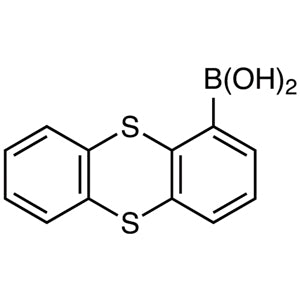
- TCI T3706 108847-76-3 1-Thianthrenylboronic Acid (contains varying amounts of Anhydride)
- Oleic Anhydride is widely used in organic synthesis due to its ability to form esters and amides, making it ideal for creating complex organic compounds.
- It plays a crucial role in the production of surfactants, as its reactivity allows for the formation of stable and functional surfactant molecules.
- In pharmaceutical research, Oleic Anhydride is employed in the synthesis of drug intermediates, contributing to the development of new therapeutic agents.
- Its application in polymer science is significant, as it helps in the creation of biodegradable and functional polymers with specific properties.
- Oleic Anhydride is also used in catalytic studies, where its reactivity supports the development of efficient and selective catalysts for industrial processes.
| Brand | TCI |
|---|---|
| CAS number | 24909-72-6 |
| Molecular formula | — |
| Purity | — |
| Category | TCI |
| Pack sizes | Available in various sizes as per supplier specifications |
| Physical form | Liquid |
| Storage | Should be stored in a cool, dry place away from moisture and direct sunlight |
Oleic Anhydride should be stored in a cool, dry place, away from moisture and direct sunlight to maintain its chemical stability. It is recommended to use airtight containers made of materials that are chemically inert, such as glass or stainless steel, to prevent any unwanted reactions. Due to its reactivity, it is important to handle the compound with care, using appropriate personal protective equipment such as gloves and safety goggles. In laboratory settings, Oleic Anhydride should be kept in a well-ventilated area to minimize exposure to its vapors. Proper labeling of containers is essential to ensure safe handling and storage. Regular monitoring of storage conditions is advised to maintain the integrity and effectiveness of the compound.
—
Produk Terkait
-
OleicAcid TCI O0180
Regular price From Rp 1.618.050,00Regular price -
OleicAcid TCI O0011
Regular price From Rp 477.750,00Regular price -
4,4'-(4,4'-Isopropylidenediphenoxy)diphthalicAnhydride TCI I0856
Regular price From Rp 1.378.650,00Regular price -
ValericAnhydride TCI V0006
Regular price From Rp 875.700,00Regular price -
TetrabromophthalicAnhydride(purifiedbysublimation) TCI T3871
Regular price Rp 2.625.000,00Regular price -
1-ThianthrenylboronicAcid(containsvaryingamountsofAnhydride) TCI T3706
Regular price From Rp 610.050,00Regular price -
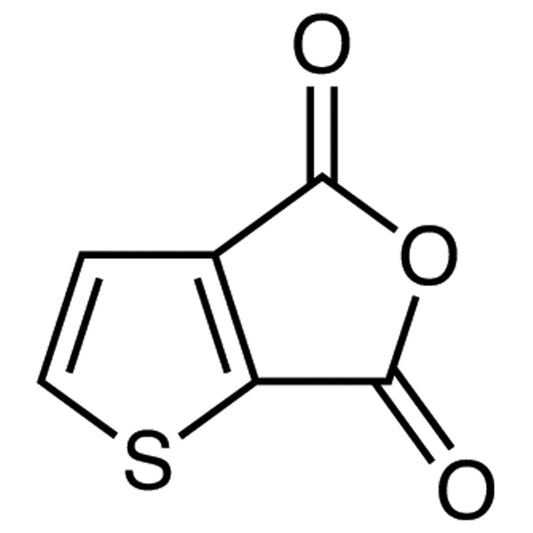
2,3-ThiophenedicarboxylicAnhydride TCI T3342
Regular price From Rp 4.479.300,00Regular price -
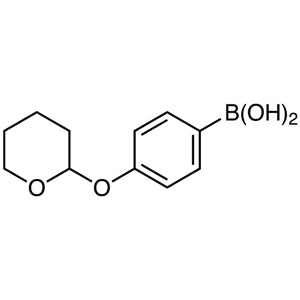
4-(Tetrahydro-2H-pyran-2-yloxy)phenylboronicAcid(containsvaryingamountsofAnhydride) TCI T3325
Regular price From Rp 1.776.600,00Regular price