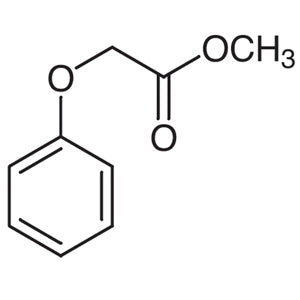
Methyl Phenoxyacetate from TCI is the methyl ester of phenoxyacetic acid. The molecule joins an aromatic phenoxy ring to a methyl ester group through an ether bridge. In the laboratory it serves as a practical non-heterocyclic building block, because its ester group can be converted through well-known reactions into amides, hydrazides or alcohols, or hydrolysed back to the carboxylic acid. Researchers often choose methyl phenoxyacetate when they need a protected form of phenoxyacetic acid that is easier to handle in organic solvents.
The main advantage of methyl phenoxyacetate is the moderate reactivity of its ester group. It is stable enough to store and handle routinely, yet it still reacts readily with nucleophiles such as amines and hydrazine. Compared with the free acid, the ester is generally more soluble in organic solvents and is not acidic. This makes it a good fit for reactions that are sensitive to acidic protons. Its aromatic ether structure also contributes an odour, so phenoxyacetate derivatives like this one are also known in studies of fragrance compounds.
In Indonesian laboratories, methyl phenoxyacetate is useful to research groups working in organic synthesis and medicinal chemistry. University chemistry departments, research institutes and industrial R&D teams can use it as a dependable starting material for building phenoxyacetic acid derivatives in multi-step synthesis. It is also suitable for teaching laboratories that demonstrate common ester transformations. Sourcing it as a TCI product gives researchers a recognised brand for reproducible synthetic work.
- Amide synthesis: the methyl ester reacts readily with primary and secondary amines, so it is a convenient way to prepare phenoxyacetamide derivatives without first activating the free acid.
- Hydrazide preparation: treating methyl phenoxyacetate with hydrazine gives phenoxyacetic hydrazide, a useful intermediate for building more complex structures in medicinal chemistry research.
- Reduction to alcohols: the ester group can be reduced by standard methods to the corresponding phenoxyethanol-type alcohol, which extends the range of non-heterocyclic building blocks available to the chemist.
- Protected acid equivalent: as a non-acidic, organic-soluble form of phenoxyacetic acid, it suits reactions that are sensitive to acidic protons and can later be hydrolysed back to the carboxylic acid.
- Fragrance compound studies: its aromatic ether structure contributes an odour, so it is relevant to research groups studying phenoxyacetate derivatives as fragrance-related compounds.
| Brand | TCI (product code P0110) |
|---|---|
| CAS number | 2065-23-8 |
| Molecular formula | — |
| Purity | — |
| Category | Chemistry > Building Blocks > Non-Heterocyclic Building Blocks |
| Pack sizes | available in the pack sizes TCI supplies; please check the product listing for current options |
| Physical form | — |
| Storage | keep the container tightly closed and follow the storage conditions on the TCI label and Safety Data Sheet |
- Chemical identity: methyl ester of phenoxyacetic acid (Methyl Phenoxyacetate)
Store methyl phenoxyacetate in its original, tightly sealed TCI container in a cool, dry, well-ventilated area. Keep it away from heat sources, direct sunlight, strong oxidising agents, and strong acids or bases, since these can hydrolyse the ester. Store it separately from incompatible reagents and keep the label legible. Handle it in a fume hood while wearing appropriate personal protective equipment, including safety glasses, chemical-resistant gloves and a laboratory coat. Avoid inhaling vapours and avoid contact with skin and eyes. Always read the product's Safety Data Sheet before use, and dispose of residues and contaminated materials according to institutional and local chemical waste regulations.
—
Produk Terkait
-
SodiumPhenoxyacetate TCI S0529
Regular price Rp 3.312.750,00Regular price -
EthylPhenoxyacetate TCI P1340
Regular price Rp 2.041.200,00Regular price -
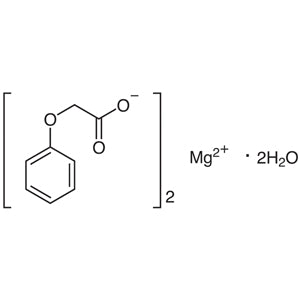
MagnesiumPhenoxyacetateDihydrate TCI P0108
Regular price Rp 2.359.350,00Regular price -
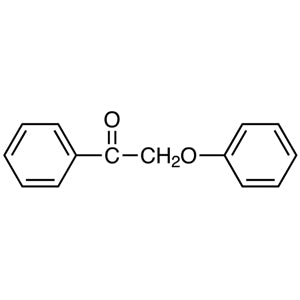
2-Phenoxyacetophenone TCI P2121
Regular price Rp 1.298.850,00Regular price -
4'-Phenoxyacetophenone TCI P1355
Regular price Rp 1.298.850,00Regular price -
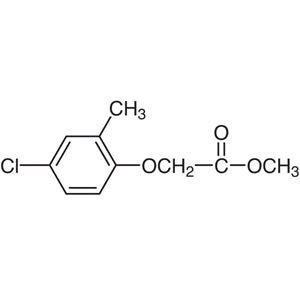
Methyl4-Chloro-2-methylphenoxyacetate TCI C0598
Regular price From Rp 477.750,00Regular price -
PhenoxyacetylChloride TCI P0113
Regular price From Rp 1.565.550,00Regular price -
Phenoxyacetone TCI P0112
Regular price From Rp 3.630.900,00Regular price