Sodium Phenoxyacetate is a chemical compound widely used in laboratory settings for chemical experiments and the synthesis of complex molecules. It serves as a key building block in organic chemistry, playing a vital role in substitution reactions and esterification processes. Its versatility makes it an essential reagent for researchers aiming to develop new compounds with pharmaceutical, industrial, or analytical applications. As a non-heterocyclic compound, it offers structural stability, which is crucial for maintaining the integrity of chemical reactions.
The compound’s chemical structure is stable and reactive, allowing it to interact effectively with various reagents. This reactivity, combined with its non-heterocyclic nature, makes it a preferred choice for reactions requiring a stable base. Its chemical properties ensure compatibility with a wide range of experimental conditions, making it a reliable component in synthetic pathways. Sodium Phenoxyacetate is also known for its relatively safe handling profile, provided that standard laboratory safety protocols are followed.
In Indonesian laboratories, sodium phenooxyacetate is commonly used in organic chemistry research, drug synthesis, and analytical experiments. It is a fundamental part of the chemical supply chain, supporting scientific activities in educational institutions and research organizations. Its availability and reliability make it a standard item in laboratory inventories, contributing to the advancement of chemical research in the region.
- Organic synthesis experiments benefit from sodium phenoxyacetate due to its role in substitution and esterification reactions, enabling the creation of complex organic molecules.
- Pharmaceutical research utilizes this compound as a building block for the development of new drugs, contributing to the synthesis of bioactive compounds.
- Analytical chemistry applications rely on sodium phenoxyacetate for its stability and reactivity, supporting accurate and reproducible experimental results.
- Industrial chemical processes incorporate this reagent for the production of specialty chemicals, enhancing efficiency in manufacturing procedures.
- Educational laboratories use sodium phenoxyacetate to teach fundamental chemical reactions and synthesis techniques to students in chemistry programs.
| Brand | TCI |
|---|---|
| CAS number | 3598-16-1 |
| Molecular formula | — |
| Purity | — |
| Category | Chemistry > Building Blocks > Non-Heterocyclic Building Blocks |
| Pack sizes | Available in various quantities as per standard laboratory supply options |
| Physical form | Solid or powder, depending on the specific product variant |
| Storage | Store in a cool, dry place away from moisture and direct sunlight |
Sodium Phenoxyacetate should be stored in a cool, dry environment to maintain its chemical stability and prevent degradation. It is recommended to use airtight containers to protect it from moisture and contaminants. Proper labeling of storage containers is essential for safe handling and easy identification. Laboratory personnel should wear appropriate personal protective equipment, such as gloves and safety goggles, when handling this compound. It is important to follow standard safety protocols to minimize exposure and ensure a safe working environment. Regular inspection of storage conditions helps maintain the integrity of the compound and ensures its effectiveness in laboratory applications.
—
Produk Terkait
-
EthylPhenoxyacetate TCI P1340
Regular price Rp 2.041.200,00Regular price -
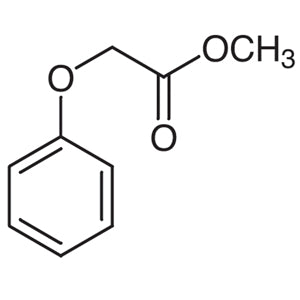
MethylPhenoxyacetate TCI P0110
Regular price From Rp 1.115.100,00Regular price -
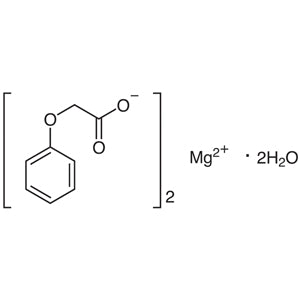
MagnesiumPhenoxyacetateDihydrate TCI P0108
Regular price Rp 2.359.350,00Regular price -
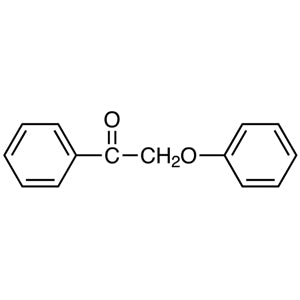
2-Phenoxyacetophenone TCI P2121
Regular price Rp 1.298.850,00Regular price -
4'-Phenoxyacetophenone TCI P1355
Regular price Rp 1.298.850,00Regular price -
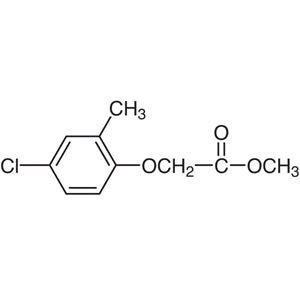
Methyl4-Chloro-2-methylphenoxyacetate TCI C0598
Regular price From Rp 477.750,00Regular price -
PhenoxyacetylChloride TCI P0113
Regular price From Rp 1.565.550,00Regular price -
Phenoxyacetone TCI P0112
Regular price From Rp 3.630.900,00Regular price