


1,3-Phenylenediamine Sulfate is a chemical compound widely used in laboratory settings for its versatility in chemical reactions. It serves as a key building block in the synthesis of complex molecules, particularly in organic chemistry. This compound is valued for its ability to participate in various reaction mechanisms, making it indispensable for researchers working on synthetic pathways. Its presence in the chemical toolbox allows for the development of new compounds with specific functional groups and structural features.
The compound's stability and controlled reactivity make it a preferred choice in laboratory applications. Its amphoteric nature enables it to act as a pH buffer or a reagent in redox reactions, offering flexibility in experimental design. Additionally, its solubility in organic solvents facilitates efficient separation and purification processes. These properties ensure that it remains a reliable and effective reagent in diverse chemical environments.
In Indonesian laboratories, 1,3-Phenylenediamine Sulfate is commonly used in chemical research, pharmaceutical development, and industrial applications. It supports the creation of new materials and compounds, contributing to advancements in science and technology. Its widespread use underscores its importance in both academic and industrial research settings across the country.
Related TCI products
- TCI P0175 16245-77-5 1,4-Phenylenediamine Sulfate
- TCI P0173 74710-09-1 1,2-Phenylenediamine Sulfate
- TCI D0782 536-47-0 N,N-Dimethyl-1,4-phenylenediamine Sulfate
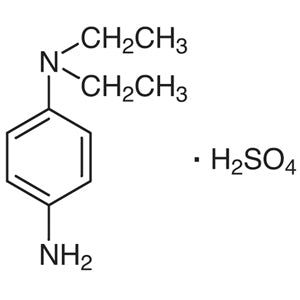
- TCI D0520 6283-63-2 N,N-Diethyl-1,4-phenylenediamine Sulfate
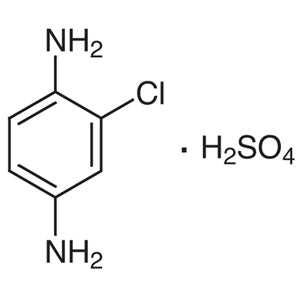
- TCI C0256 61702-44-1 2-Chloro-1,4-phenylenediamine Sulfate
- TCI T3770 485831-34-3 N,N,N',N'-Tetrakis[4-(diisobutylamino)phenyl]-1,4-phenylenediamine
- Chemical synthesis of heterocyclic compounds due to its reactivity and structural versatility.
- Preparation of dyes and pigments as it can participate in complex molecular structures.
- Pharmaceutical research for the development of active pharmaceutical ingredients.
- Redox reactions where its amphoteric nature helps control reaction conditions.
- pH regulation in experimental solutions due to its ability to act as a buffer.
| Brand | TCI |
|---|---|
| CAS number | 541-70-8 |
| Molecular formula | — |
| Purity | — |
| Category | Chemistry > Building Blocks > Non-Heterocyclic Building Blocks |
| Pack sizes | Available in various quantities as per standard laboratory requirements |
| Physical form | Powder |
| Storage | Store in a cool, dry place away from direct sunlight |
This compound should be stored in a cool, dry place, away from direct sunlight and moisture. It is recommended to use airtight containers to prevent exposure to air and humidity. Due to its chemical nature, it should be handled with appropriate personal protective equipment, including gloves and safety goggles. It is important to ensure good ventilation when working with this material to avoid inhalation of vapors. Proper labeling of storage containers is essential to ensure safe handling and prevent accidental exposure. Always follow standard laboratory safety protocols when working with this compound.
—
Produk Terkait
-
1,4-PhenylenediamineSulfate TCI P0175
Regular price Rp 530.250,00Regular price -
1,2-PhenylenediamineSulfate TCI P0173
Regular price Rp 1.458.450,00Regular price -
N,N-Dimethyl-1,4-phenylenediamineSulfate TCI D0782
Regular price From Rp 1.936.200,00Regular price -
N,N-Diethyl-1,4-phenylenediamineSulfate TCI D0520
Regular price From Rp 1.115.100,00Regular price -
2-Chloro-1,4-phenylenediamineSulfate TCI C0256
Regular price From Rp 477.750,00Regular price -
N,N,N',N'-Tetrakis[4-(diisobutylamino)phenyl]-1,4-phenylenediamine TCI T3770
Regular price From Rp 2.094.750,00Regular price -
5-Trifluoromethyl-1,3-phenylenediamine TCI T3239
Regular price Rp 1.273.650,00Regular price -
2,3,5,6-Tetramethyl-1,4-phenylenediamine TCI T1457
Regular price From Rp 1.881.600,00Regular price


![485831-34-3 N,N,N',N'-Tetrakis[4-(diisobutylamino)phenyl]-1,4-phenylenediamine - AMI Scientific](http://amiscientific.com/cdn/shop/files/TCI2510T3770.jpg?v=1767144326&width=533)

