4-Phenylphenol is a chemical compound widely used in various laboratory applications, particularly in the synthesis of organic compounds. It is a versatile building block that plays a crucial role in chemical research due to its reactivity and structural characteristics. This compound features a phenol group attached to an aromatic ring, making it a valuable intermediate in organic synthesis. Its ability to participate in multiple chemical reactions makes it a key component in the development of new materials and pharmaceuticals.
The properties of 4-Phenylphenol that make it a preferred choice include its high reactivity and compatibility with a wide range of functional groups. It is particularly useful in substitution and oxidation reactions, where its hydroxyl group can act as a donor. Its chemical stability under controlled conditions further enhances its utility in laboratory settings. However, it is sensitive to moisture and air exposure, which requires careful handling and storage. These characteristics make it a reliable and effective reagent for many synthetic processes.
In Indonesian laboratories, 4-Phenylphenol is commonly used in organic chemistry, pharmaceutical research, and material science. Its versatility and reactivity make it a sought-after compound for researchers working on drug development, polymer synthesis, and other chemical applications. Its relevance in various scientific fields ensures its continued use in both academic and industrial research settings.
- Organic synthesis: 4-Phenylphenol is widely used in the synthesis of organic compounds due to its reactivity and ability to participate in substitution reactions.
- Pharmaceutical research: It serves as a building block for the development of new drugs and bioactive compounds due to its structural versatility.
- Material science: The compound is employed in the creation of advanced materials, including polymers and coatings, due to its functional group compatibility.
- Analytical chemistry: It is used as a standard or reagent in analytical procedures to test the purity and reactivity of other compounds.
- Environmental studies: Its chemical properties make it useful in studying the behavior of organic pollutants in different environmental matrices.
| Brand | TCI |
|---|---|
| CAS number | 92-69-3 |
| Molecular formula | — |
| Purity | — |
| Category | Chemistry > Building Blocks > Non-Heterocyclic Building Blocks |
| Pack sizes | Available in various quantities as per standard laboratory supply |
| Physical form | Solid |
| Storage | Store in a cool, dry place away from moisture and air exposure |
4-Phenylphenol should be stored in a cool, dry environment to prevent degradation due to moisture and air exposure. It is recommended to use airtight containers made of glass or polyethylene to maintain its chemical integrity. The compound should be kept away from strong acids and bases to avoid unwanted reactions. In laboratory settings, it is important to handle the material with appropriate personal protective equipment, such as gloves and safety goggles. Regular monitoring of storage conditions ensures the compound remains stable and suitable for use in chemical experiments. Proper labeling and storage practices are essential to maintain safety and prevent cross-contamination.
—
Produk Terkait
-
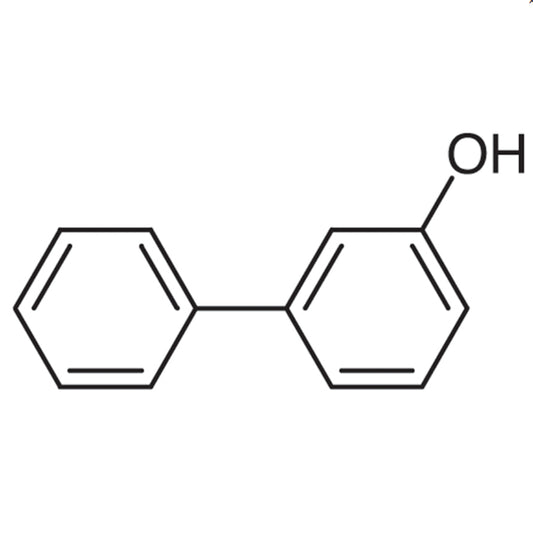
3-Phenylphenol TCI P0768
Regular price From Rp 2.227.050,00Regular price -
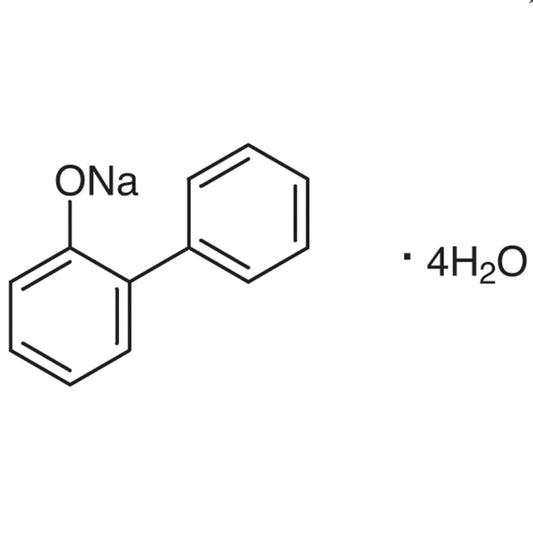
2-PhenylphenolSodiumSaltTetrahydrate TCI P0202
Regular price From Rp 530.250,00Regular price -
2-Phenylphenol TCI P0200
Regular price From Rp 530.250,00Regular price -
2-Chloro-4-phenylphenol TCI C0263
Regular price Rp 1.458.450,00Regular price -
4-Nitro-2,6-diphenylphenol TCI N0674
Regular price Rp 2.121.000,00Regular price -
2,6-Diphenylphenol TCI D2563
Regular price From Rp 1.670.550,00Regular price -
10-Phenylphenothiazine TCI P2470
Regular price From Rp 2.571.450,00Regular price -
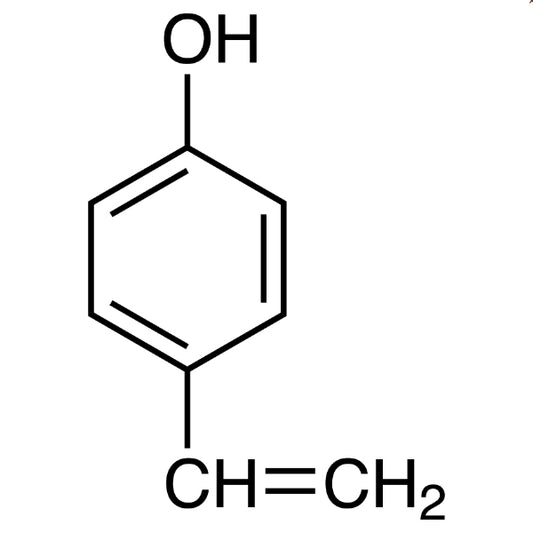
4-Vinylphenol(ca.10%inPropyleneGlycol) TCI V0088
Regular price From Rp 1.298.850,00Regular price