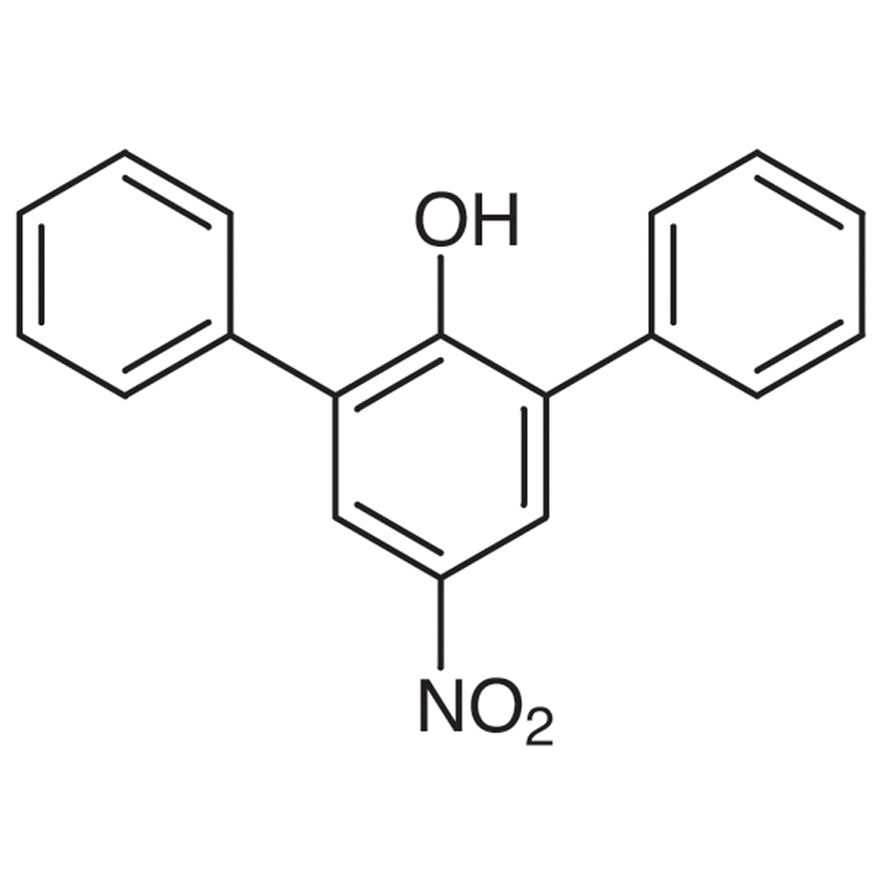
4-Nitro-2,6-diphenylphenol is a chemical compound widely used in synthetic laboratory reactions. It serves as a key building block in the construction of complex molecular structures, making it essential for organic chemists. This compound is commonly employed in the synthesis of various organic compounds, where it acts as a versatile starting material. Its chemical stability and reactivity allow it to participate in multiple reaction types, including substitution, oxidation, and reduction. Due to its predictable physical properties, it is a reliable choice for experimental work in both academic and industrial research settings.
The compound’s structure, featuring a phenol group substituted with nitro groups at specific positions, contributes to its unique chemical behavior. This structural feature enhances its reactivity and makes it suitable for a range of synthetic transformations. Its predictable melting point and solubility characteristics further support its use in laboratory applications. These properties ensure consistency in experimental outcomes, making it a trusted material for researchers aiming to achieve precise results in their chemical processes.
In Indonesian laboratories, 4-Nitro-2,6-diphenylphenol is frequently used in organic chemistry research, particularly in the synthesis of complex organic molecules. It is a common reagent in academic and research institutions, supporting various experimental protocols. Its availability and reliability make it a preferred choice for chemists working on synthetic pathways that require a stable and reactive building block.
- Organic synthesis applications benefit from this compound’s reactivity and structural versatility, enabling the creation of complex organic molecules.
- It is widely used in the development of pharmaceutical compounds, where its chemical properties aid in the synthesis of drug-related substances.
- The compound supports research in material science, particularly in the preparation of functional materials with specific chemical properties.
- It is a key reagent in academic research settings, where it is used to explore new synthetic methodologies and reaction mechanisms.
- Its predictable physical properties make it suitable for use in analytical chemistry, where precise measurements and reproducibility are essential.
| Brand | TCI |
|---|---|
| CAS number | 2423-73-6 |
| Molecular formula | — |
| Purity | — |
| Category | Chemistry > Building Blocks > Non-Heterocyclic Building Blocks |
| Pack sizes | Available in various quantities as per supplier specifications |
| Physical form | Solid |
| Storage | Store in a cool, dry place away from direct sunlight |
This compound should be stored in a cool, dry environment to maintain its chemical stability. It is recommended to keep it in a tightly sealed container to prevent exposure to moisture and air. Due to its potential reactivity, it should be handled with appropriate personal protective equipment, such as gloves and safety goggles. Avoid contact with incompatible materials, and ensure proper ventilation in the laboratory. The compound is typically stored in glass or plastic containers that are resistant to chemical degradation. Regular inspection of storage conditions is advised to ensure the integrity of the material remains unaffected.
—
Produk Terkait
-
2,6-Diphenylphenol TCI D2563
Regular price From Rp 1.670.550,00Regular price -
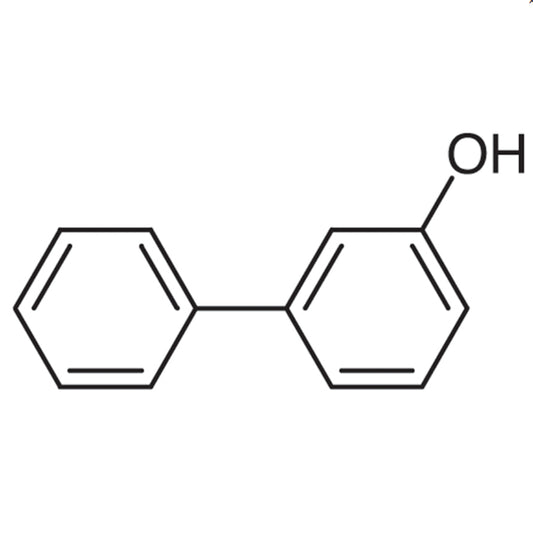
3-Phenylphenol TCI P0768
Regular price From Rp 2.227.050,00Regular price -
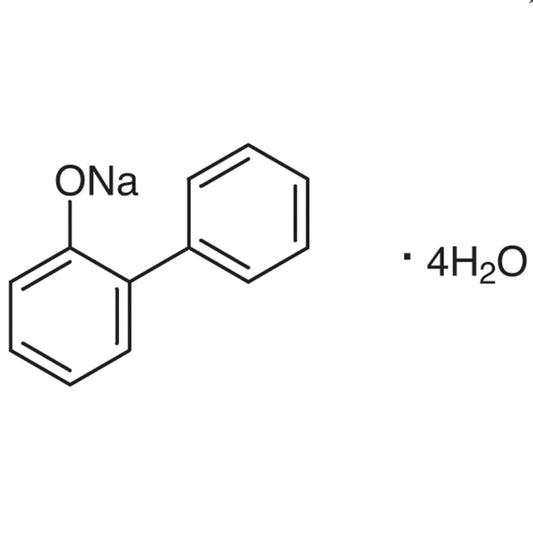
2-PhenylphenolSodiumSaltTetrahydrate TCI P0202
Regular price From Rp 530.250,00Regular price -
4-Phenylphenol TCI P0201
Regular price From Rp 477.750,00Regular price -
2-Phenylphenol TCI P0200
Regular price From Rp 530.250,00Regular price -
2-Chloro-4-phenylphenol TCI C0263
Regular price Rp 1.458.450,00Regular price -
2-Bromo-2-nitro-1,3-propanediol TCI B1247
Regular price From Rp 1.008.000,00Regular price -
4-Nitro-1-naphthol TCI N0672
Regular price From Rp 3.870.300,00Regular price