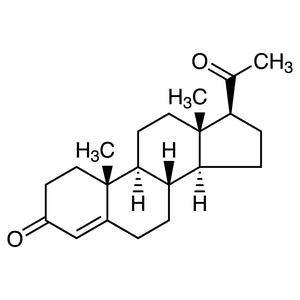
Progesterone is a steroid compound that plays a vital role in biochemical and life science research. As a key sex hormone, it is essential in reproductive processes, menstrual cycle regulation, and placenta formation. In laboratory settings, progesterone serves as a fundamental reagent for the synthesis of other compounds, hormonal function testing, and quantitative analysis in health and pharmaceutical research. Its importance extends to studies on the physiological effects of hormones on both human and animal bodies.
Progesterone is chemically stable and soluble in organic solvents such as ethyl acetate and chloroform, making it highly versatile for various chemical reactions and purification processes. Its well-defined molecular structure allows for accurate analysis using techniques like UV-Vis spectroscopy and chromatography. The availability of pure and standardized forms ensures precision and reliability in scientific experiments, making it a preferred choice for researchers requiring high-quality reagents.
In Indonesian laboratories, progesterone is widely used in research related to reproductive health, endocrinology, and pharmaceutical development. Its application spans from basic research to applied studies, supporting both academic and industrial scientific endeavors. The compound’s stability and solubility properties make it an essential component in many experimental workflows, contributing to the advancement of scientific knowledge in the region.
Advantages (TCI brochure)
- Only naturally occurring progestogen
- Exhibits antiovulatory action
TCI brochures (PDF)
- Regenerative Medicine Research Reagents 2016-03-18 · p. 2
- Steroids 2026-07-28 · p. 5
- Hormonal Function Testing – Progesterone is used to assess the activity of hormonal systems in both human and animal models, providing insights into endocrine regulation.
- Reproductive Health Research – It supports studies on fertility, menstrual cycles, and placental development, aiding in understanding reproductive physiology.
- Pharmaceutical Development – Progesterone is a key component in the synthesis of drugs related to hormonal therapy and contraceptive formulations.
- Biochemical Synthesis – Its chemical stability and solubility make it ideal for the synthesis of other steroid-based compounds in organic chemistry.
- Analytical Chemistry – Progesterone is used in quantitative analysis through chromatographic and spectroscopic techniques to ensure accurate results.
| Brand | TCI |
|---|---|
| CAS number | 57-83-0 |
| Molecular formula | — |
| Purity | — |
| Category | Life Science > Biochemicals and Reagents > Steroids |
| Pack sizes | Available in various quantities as per standard laboratory requirements |
| Physical form | White crystalline powder |
| Storage | Store in a cool, dry place away from light and moisture |
Progesterone should be stored in a cool, dry environment, away from direct light and moisture to maintain its chemical stability. It is recommended to use airtight containers made of glass or polyethylene to prevent contamination and degradation. Due to its solubility in organic solvents, it should be handled with care to avoid exposure to incompatible substances. In laboratory settings, it is important to follow standard safety protocols, including the use of personal protective equipment when handling or storing the compound. Proper labeling of containers is essential to ensure safe handling and prevent accidental misuse.
—
Product Categories
- Biochemicals and ReagentsSteroidsPregnanes (Progestogen) [Steroids]
- Cell BiologyCancer ResearchTumor Growth Regulation [Cancer Research]
- Cell BiologyCell Signaling and NeuroscienceCytokines, Growth Factors and Hormones
- Cell BiologyMetabolomicsMetabolic Libraries
- Cell BiologyMetabolomicsMetabolic Pathways
- Cell BiologyStem Cell BiologyRegenerative Medicine Research Reagents
- MicrobiologyBacterial Spore (Endospore) ResearchBacterial Spore Germinants and Cogerminants
- MicrobiologyBacterial Spore (Endospore) ResearchBacterial Spore Germination Inhibitiors
- Molecular BiologyRegenerative Medicine Research Reagents
Produk Terkait
-
Pregnenolone TCI P0786
Regular price From Rp 1.115.100,00Regular price -
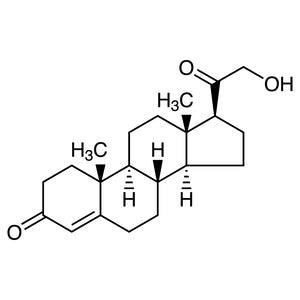
21-Hydroxyprogesterone TCI D6119
Regular price Rp 2.174.550,00Regular price -
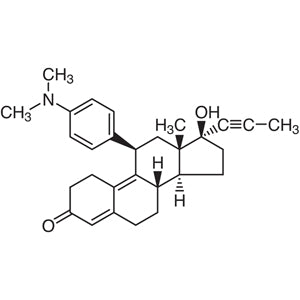
Mifepristone TCI M1732
Regular price From Rp 4.638.900,00Regular price -
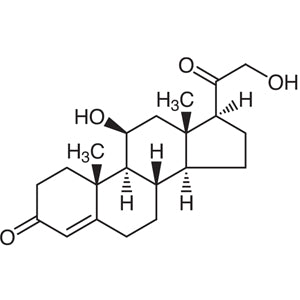
Corticosterone TCI C0388
Regular price From Rp 769.650,00Regular price -
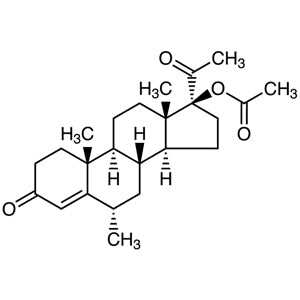
MedroxyprogesteroneAcetate TCI M1964
Regular price Rp 1.060.500,00Regular price -
17alpha-HydroxyprogesteroneAcetate TCI H1527
Regular price From Rp 1.035.300,00Regular price -
17alpha-Hydroxyprogesterone TCI H1250
Regular price From Rp 1.856.400,00Regular price -
17alpha-HydroxyprogesteroneCaproate TCI H0994
Regular price Rp 2.411.850,00Regular price