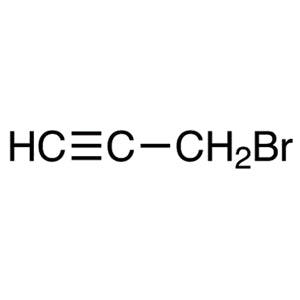
Propargyl Bromide (stabilized with MgO) from TCI, also known as 3-bromopropyne, is a highly useful alkylating reagent. It attaches the propargyl group, a three-carbon chain ending in a terminal alkyne, to a wide range of nucleophiles. In organic synthesis it is used to propargylate alcohols, phenols, amines, thiols and carbanions. The product is stabilized with magnesium oxide (MgO), which helps neutralize acids that can form during storage. This keeps an inherently reactive material more stable on the shelf and in the laboratory.
Chemists choose this reagent because it does two jobs. The bromine atom sits in the propargylic position, where it is very reactive toward nucleophilic substitution, so alkylation reactions usually run efficiently without harsh conditions. Once the propargyl group is installed, its terminal alkyne becomes a versatile handle for further chemistry, including azide–alkyne click reactions, Sonogashira coupling, cyclization and heterocycle construction. For these reasons, propargyl bromide links small-molecule synthesis, bioorthogonal chemistry and materials science. As a TCI product, it is suited to research where consistent reagent quality matters.
In Indonesia, Propargyl Bromide is relevant to organic synthesis and medicinal chemistry laboratories at universities, research institutes and pharmaceutical development facilities. Research groups use it to build propargylated intermediates for new drug candidates, to prepare alkyne-tagged molecules for click chemistry and bioconjugation studies, and to make functional monomers for polymer and materials research. It is also useful in graduate and postgraduate projects that cover alkylation and cross-coupling methods. AMI Scientific supplies it to support these synthesis programs across the country.
TCI brochures (PDF)
- Click Chemistry 2026-09-08 · p. 11
Related TCI products
- TCI P1272 106-96-7 Propargyl Bromide (80% in Toluene, ca 92mol/L) (stabilized with MgO)
- TCI P0810 624-65-7 Propargyl Chloride
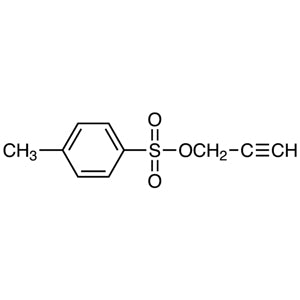
- TCI T1455 6165-76-0 Propargyl p-Toluenesulfonate
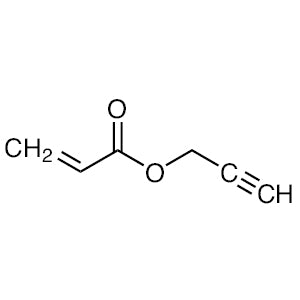
- TCI P2878 10477-47-1 Propargyl Acrylate (stabilized with BHT)
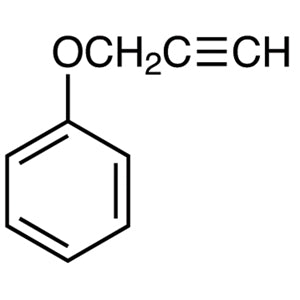
- TCI P2222 13610-02-1 Phenyl Propargyl Ether
- TCI G0445 18180-30-8 Glycidyl Propargyl Ether
- O-propargylation of alcohols and phenols: The reactive propargylic bromide forms propargyl ethers efficiently under mild basic conditions, which makes it a standard choice for protecting or functionalizing hydroxyl groups.
- N- and S-propargylation of amines and thiols: The reagent alkylates nitrogen and sulfur nucleophiles readily, giving propargylamines and propargyl sulfides that are valuable intermediates in medicinal chemistry and heterocycle synthesis.
- Click chemistry and bioconjugation: The terminal alkyne it installs is the reactive partner for azide–alkyne cycloaddition, which allows researchers to make tagged molecules, probes and conjugates for bioorthogonal studies.
- Sonogashira coupling and cross-coupling sequences: After propargylation, the terminal alkyne can be coupled with aryl or vinyl halides, so chemists can extend carbon frameworks and build conjugated structures in only a few steps.
- Cyclization and heterocycle construction: Propargylated substrates are common precursors for cyclization reactions, so this reagent is a practical entry point to many heterocyclic scaffolds used in drug discovery and materials research.
| Brand | TCI (product code P0484) |
|---|---|
| CAS number | 106-96-7 |
| Molecular formula | — |
| Purity | — |
| Category | Chemistry > Building Blocks > Non-Heterocyclic Building Blocks |
| Pack sizes | see the product listing for the pack sizes currently offered |
| Physical form | liquid; store according to the conditions on the TCI label and Safety Data Sheet |
| Storage | — |
- Stabilizer: magnesium oxide (MgO)
Keep Propargyl Bromide tightly sealed in its original TCI container and follow the storage conditions on the product label and Safety Data Sheet. In general, store it in a cool, dry, well-ventilated area away from heat, sparks, open flames and direct sunlight. Keep it apart from strong bases, oxidizing agents and incompatible materials. Because it is a reactive alkylating agent, handle it only in a properly working fume hood. Wear chemical-resistant gloves, safety goggles and a laboratory coat. Avoid inhaling vapors and prevent any contact with skin or eyes. Use clean, dry glassware and syringes when dispensing it. Reseal the container promptly after use, and dispose of residues and contaminated materials according to institutional and local hazardous waste regulations.
—
Product Categories
Produk Terkait
-
PropargylBromide(80%inToluene,ca92mol/L)(stabilizedwithMgO) TCI P1272
Regular price From Rp 848.400,00Regular priceRp 593.250,00Sale price From Rp 848.400,00 -
PropargylChloride TCI P0810
Regular price From Rp 875.700,00Regular priceRp 612.150,00Sale price From Rp 875.700,00 -
Propargylp-Toluenesulfonate TCI T1455
Regular price Rp 2.995.650,00Regular priceRp 2.094.750,00Sale price Rp 2.995.650,00 -
PropargylAcrylate(stabilizedwithBHT) TCI P2878
Regular price From Rp 2.254.350,00Regular priceRp 1.576.050,00Sale price From Rp 2.254.350,00 -
PhenylPropargylEther TCI P2222
Regular price From Rp 2.625.000,00Regular priceRp 1.835.400,00Sale price From Rp 2.625.000,00 -
GlycidylPropargylEther TCI G0445
Regular price From Rp 980.700,00Regular priceRp 685.650,00Sale price From Rp 980.700,00 -
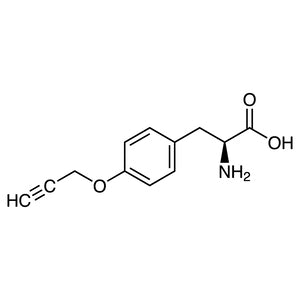
H-L-Tyr(Propargyl)-OH TCI P3021
Regular price Rp 8.003.100,00Regular priceRp 5.612.250,00Sale price Rp 8.003.100,00 -
Propargyl-PEG5-NHSEster TCI P2283
Regular price Rp 4.266.150,00Regular priceRp 2.998.800,00Sale price Rp 4.266.150,00