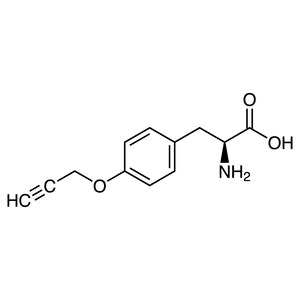
Propargyl Chloride (TCI P0810), with CAS number 624-65-7, is a chemical compound widely used as a building block in organic synthesis. It plays a crucial role in laboratories where researchers need reactive intermediates for complex molecular structures. Its simple chemical structure allows for versatile applications in various synthetic pathways. This compound is particularly valuable in reactions requiring high reactivity, such as alkylations and couplings. Its unique triple bond structure makes it an essential tool for chemists working on functional group transformations.
Propargyl Chloride is highly reactive, especially at the terminal end of its triple bond, which makes it ideal for a range of chemical transformations. Its sensitivity to moisture and oxidation requires careful handling to maintain its integrity. The compound’s high purity and consistent quality ensure reliable results in experimental settings. This reactivity, combined with its chemical versatility, makes it a preferred choice for both academic and industrial research. Its ability to participate in multiple reaction types enhances its utility in synthetic chemistry.
In Indonesian laboratories, Propargyl Chloride is commonly used in chemical research, particularly in the synthesis of complex organic compounds and pharmaceutical development. Its availability in various packaging options allows for flexible use across different experimental scales. Researchers in Indonesia rely on this compound for its reliability and effectiveness in creating new molecular structures. Its role in advancing chemical innovation is well recognized in the local scientific community.
Related TCI products
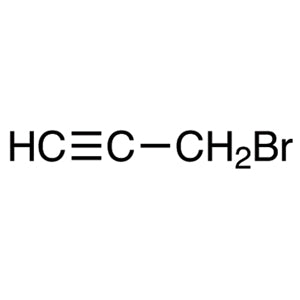
- TCI P1272 106-96-7 Propargyl Bromide (80% in Toluene, ca 92mol/L) (stabilized with MgO)
- TCI P0484 106-96-7 Propargyl Bromide (stabilized with MgO)
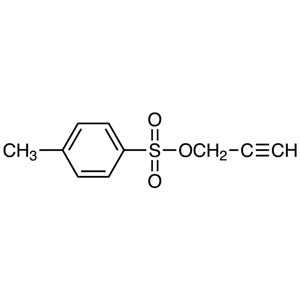
- TCI T1455 6165-76-0 Propargyl p-Toluenesulfonate
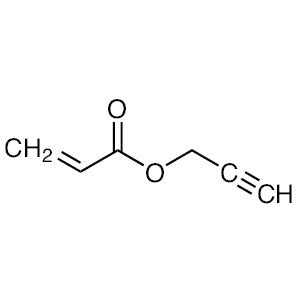
- TCI P2878 10477-47-1 Propargyl Acrylate (stabilized with BHT)
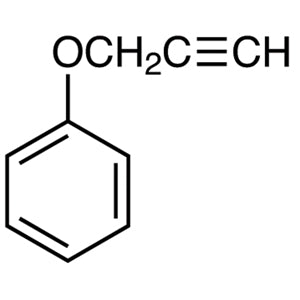
- TCI P2222 13610-02-1 Phenyl Propargyl Ether
- TCI G0445 18180-30-8 Glycidyl Propargyl Ether
- Organic synthesis of heterocyclic compounds due to its reactivity and ability to form complex structures.
- Coupling reactions where the triple bond facilitates efficient bond formation between different molecular fragments.
- Alkylation processes that benefit from the compound’s high reactivity and functional group versatility.
- Development of pharmaceuticals as a key intermediate in the synthesis of drug molecules.
- Research into long-chain carbon compounds where the triple bond provides structural stability and reactivity.
| Brand | TCI |
|---|---|
| CAS number | 624-65-7 |
| Molecular formula | — |
| Purity | — |
| Category | Chemistry > Building Blocks > Non-Heterocyclic Building Blocks |
| Pack sizes | Available in various packaging options for different experimental scales |
| Physical form | Liquid |
| Storage | Requires storage in a cool, dry place away from moisture and oxidizing agents |
Propargyl Chloride should be stored in a cool, dry environment to prevent degradation due to moisture and oxidation. It is recommended to use sealed containers made of materials resistant to chemical attack, such as glass or high-density polyethylene. The compound is highly sensitive to air and should be handled in a controlled laboratory setting with proper ventilation. Protective gloves and eyewear are essential to avoid direct contact. Storage away from incompatible substances is crucial to maintain its stability and effectiveness. Regular monitoring of storage conditions ensures the compound remains suitable for use in chemical experiments.
—
Product Categories
Produk Terkait
-
PropargylBromide(80%inToluene,ca92mol/L)(stabilizedwithMgO) TCI P1272
Regular price From Rp 848.400,00Regular price -
PropargylBromide(stabilizedwithMgO) TCI P0484
Regular price From Rp 1.035.300,00Regular price -
Propargylp-Toluenesulfonate TCI T1455
Regular price Rp 2.995.650,00Regular price -
PropargylAcrylate(stabilizedwithBHT) TCI P2878
Regular price From Rp 2.254.350,00Regular price -
PhenylPropargylEther TCI P2222
Regular price From Rp 2.625.000,00Regular price -
GlycidylPropargylEther TCI G0445
Regular price From Rp 980.700,00Regular price -
H-L-Tyr(Propargyl)-OH TCI P3021
Regular price Rp 7.950.600,00Regular price -
Propargyl-PEG5-NHSEster TCI P2283
Regular price Rp 4.213.650,00Regular price