Pyrrole is a fundamental chemical compound with a heterocyclic structure containing one nitrogen atom. It serves as a crucial building block in the synthesis of complex compounds, especially in organic chemistry and pharmaceutical research. Its unique structure allows it to participate in various chemical reactions, making it indispensable for the development of new compounds with wide-ranging applications. In laboratory settings, Pyrrole is used to accelerate the synthesis of heterocyclic compounds, contributing to the advancement of medicinal and industrial chemistry.
Pyrrole is chemically stable yet highly reactive, making it ideal for both electrophilic and nucleophilic reactions. Its ability to form bonds with various functional groups enables it to be a versatile reagent in substitution reactions and the formation of new molecular structures. This reactivity, combined with its structural simplicity, makes Pyrrole a preferred choice for researchers aiming to create complex molecules. Its role in the synthesis of compounds like indol and quinolin further highlights its importance in chemical research.
In Indonesian laboratories, Pyrrole is commonly used in organic chemistry research, particularly by academic institutions and research organizations. It plays a key role in the development of new compounds and is essential for studies involving heterocyclic chemistry. Its availability and reliability make it a standard material in both educational and industrial research environments.
Related TCI products
- Organic synthesis research utilizes Pyrrole for constructing complex heterocyclic molecules due to its reactivity and structural versatility.
- Pharmaceutical development benefits from Pyrrole as a building block in the synthesis of bioactive compounds and drug candidates.
- Analytical chemistry applications involve Pyrrole in the characterization of heterocyclic compounds through various spectroscopic techniques.
- Educational institutions use Pyrrole in teaching organic chemistry to illustrate fundamental reaction mechanisms and structural properties.
- Industrial research employs Pyrrole for the production of specialty chemicals and materials requiring heterocyclic frameworks.
| Brand | TCI |
|---|---|
| CAS number | 109-97-7 |
| Molecular formula | — |
| Purity | — |
| Category | Chemistry > Building Blocks > Heterocyclic Building Blocks |
| Pack sizes | Available in standard laboratory quantities |
| Physical form | Liquid |
| Storage | Store in a cool, dry place away from light and incompatible materials |
Pyrrole should be stored in a cool, dry environment, away from direct sunlight and sources of heat. It is recommended to keep it in a tightly sealed container to prevent exposure to air and moisture. Due to its reactivity, it should be stored separately from strong oxidizing agents and acids. Proper ventilation is essential when handling Pyrrole to minimize inhalation risks. Laboratory personnel should wear appropriate personal protective equipment, including gloves and safety goggles, to ensure safe handling. Regular monitoring of storage conditions is advised to maintain the integrity and stability of the compound.
—
Produk Terkait
-
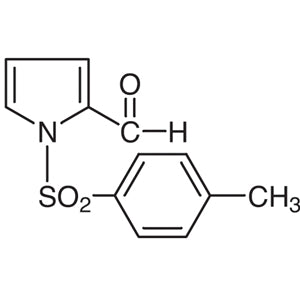
1-(p-Toluenesulfonyl)pyrrole-2-carboxaldehyde TCI T1607
Regular price Rp 4.268.250,00Regular price -
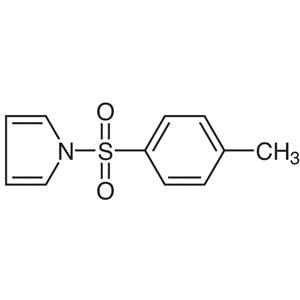
1-(p-Toluenesulfonyl)pyrrole TCI T1386
Regular price Rp 1.140.300,00Regular price -
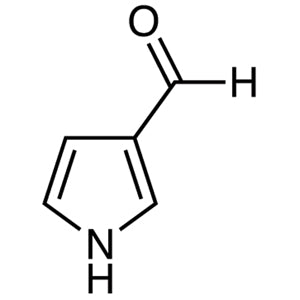
Pyrrole-3-carboxaldehyde TCI P2728
Regular price From Rp 795.900,00Regular price -
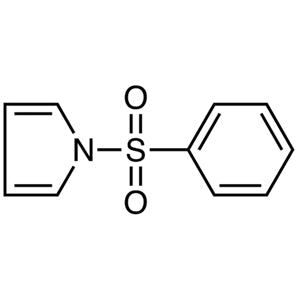
1-(Phenylsulfonyl)pyrrole TCI P2095
Regular price From Rp 743.400,00Regular price -
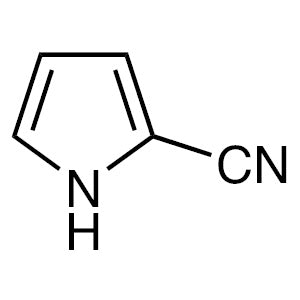
1H-Pyrrole-2-carbonitrile TCI P1926
Regular price From Rp 1.353.450,00Regular price -
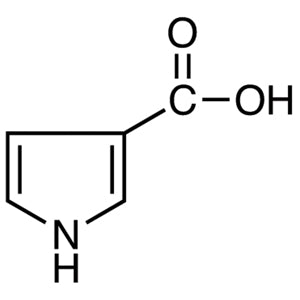
Pyrrole-3-carboxylicAcid TCI P1899
Regular price Rp 2.916.900,00Regular price -
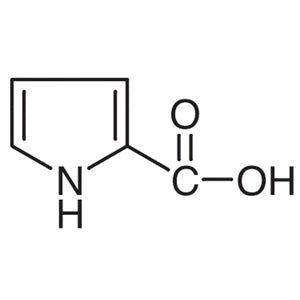
Pyrrole-2-carboxylicAcid TCI P1270
Regular price From Rp 848.400,00Regular price -
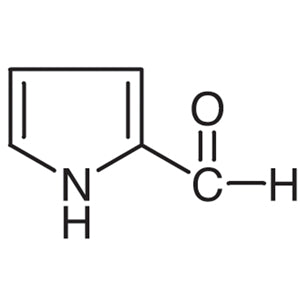
Pyrrole-2-carboxaldehyde TCI P1246
Regular price From Rp 1.035.300,00Regular price