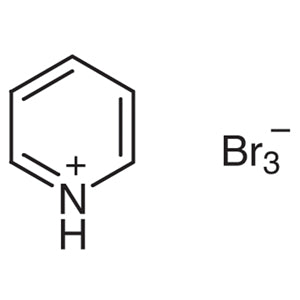
Pyridinium Bromide Perbromide is a chemical compound widely used in organic synthesis reactions within laboratory settings. It is a key reagent in the formation of C-X (halogen) bonds, particularly in substitution reactions involving halogenation. This compound is known for its ability to act as a bromide source, making it essential in various synthetic processes. Its unique chemical structure, consisting of a pyridinium ion bonded to a perbromide ion, allows it to participate in complex chemical transformations. Due to its reactivity and versatility, it is a valuable tool for chemists working on a wide range of synthetic challenges.
The compound is preferred for its high reactivity and effectiveness in halogenation and substitution reactions. Its chemical stability under controlled conditions makes it reliable for use in laboratory environments. The presence of bromide ions in its structure enables it to serve as an efficient reagent for introducing bromine into organic molecules. This makes it particularly useful in reactions where precise control over halogenation is required. Additionally, its solubility and compatibility with various solvents enhance its applicability in different synthetic protocols.
In Indonesian laboratories, Pyridinium Bromide Perbromide is commonly used in organic chemistry research and educational settings. It is frequently employed in experiments involving halogenation and substitution reactions, where its reactivity and effectiveness are highly valued. Researchers and students rely on this compound to achieve desired chemical transformations, making it a staple in both academic and industrial chemical laboratories in Indonesia.
TCI brochures (PDF)
- Halogenation Reagents 2026-04-03 · p. 6
Related TCI products
- TCI T3592 15458-53-4 Trifluoromethanesulfonyl Bromide
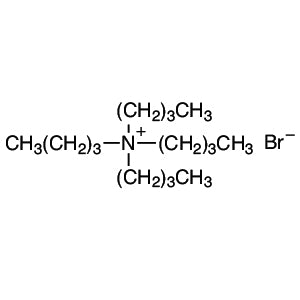
- TCI T0054 1643-19-2 Tetrabutylammonium Bromide
- TCI P1627 52193-54-1 Pyridinium Trifluoromethanesulfonate
- TCI P0942 24057-28-1 Pyridinium p-Toluenesulfonate
- TCI P0941 84752-61-4 Pyridinium 3-Nitrobenzenesulfonate
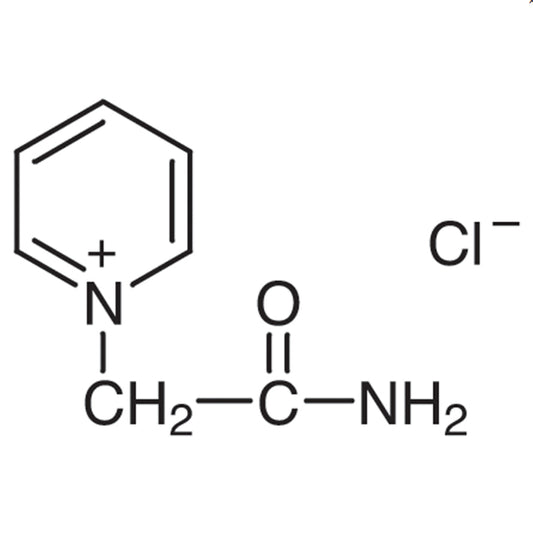
- TCI A0829 41220-29-5 1-(Carbamoylmethyl)pyridinium Chloride
- Organic synthesis reactions where halogenation and substitution of carbon atoms are required.
- Preparation of brominated organic compounds through controlled halogenation processes.
- Research in synthetic chemistry focused on the formation of C-X bonds using bromide sources.
- Educational experiments in chemistry labs to demonstrate halogenation and substitution mechanisms.
- Development of new chemical compounds through bromide-mediated reactions in synthetic pathways.
| Brand | TCI |
|---|---|
| CAS number | 39416-48-3 |
| Molecular formula | — |
| Purity | — |
| Category | Chemistry > Synthetic Reagents > C-X(Halogen) Bond Formation [Synthetic Reagents] |
| Pack sizes | Available in various sizes as per supplier specifications |
| Physical form | Solid or crystalline, depending on the specific formulation |
| Storage | — |
Pyridinium Bromide Perbromide should be stored in a cool, dry, and well-ventilated area away from direct sunlight. It is recommended to keep the compound in a sealed container to prevent moisture absorption. Due to its reactivity, it should be handled with care, using appropriate personal protective equipment such as gloves and safety goggles. Storage should be in a location that is inaccessible to children and unauthorized personnel. The compound is typically stored in airtight containers made of materials compatible with its chemical properties to ensure stability and safety in the laboratory environment.
—
Produk Terkait
-
TrifluoromethanesulfonylBromide TCI T3592
Regular price From Rp 1.565.550,00Regular price -
TetrabutylammoniumBromide TCI T0054
Regular price From Rp 505.050,00Regular price -
PyridiniumTrifluoromethanesulfonate TCI P1627
Regular price From Rp 1.644.300,00Regular price -
Pyridiniump-Toluenesulfonate TCI P0942
Regular price From Rp 1.298.850,00Regular price -
Pyridinium3-Nitrobenzenesulfonate TCI P0941
Regular price From Rp 664.650,00Regular price -
1-(Carbamoylmethyl)pyridiniumChloride TCI A0829
Regular price From Rp 664.650,00Regular price -
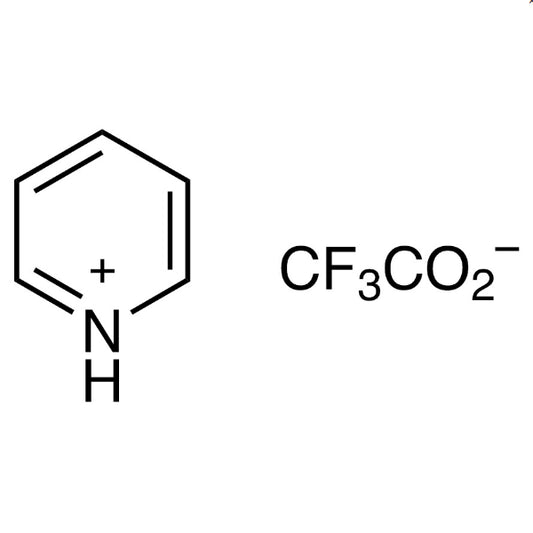
PyridiniumTrifluoroacetate TCI P2920
Regular price From Rp 955.500,00Regular price -
PyridiniumFluorochromate TCI P1088
Regular price Rp 2.094.750,00Regular price