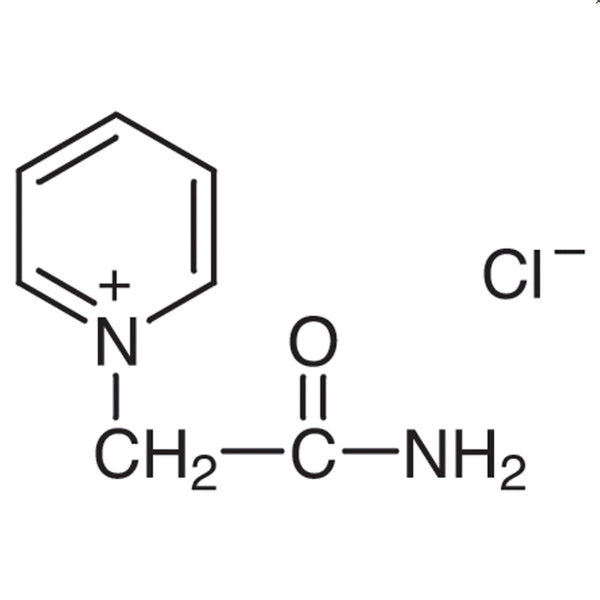
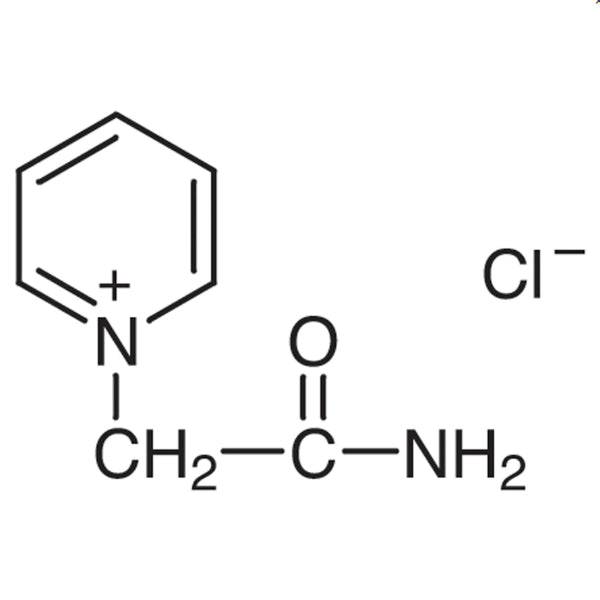
1-(Carbamoylmethyl)pyridinium Chloride is a chemical compound widely used in laboratory settings for various chemical reactions and the synthesis of complex molecules. This compound plays a crucial role in organic chemistry, particularly in the development of heterocyclic structures. Its unique chemical structure makes it a versatile building block for researchers aiming to create new compounds with specific functional groups. Due to its reactivity and structural complexity, it is frequently utilized in both academic and industrial research environments.
The compound's high reactivity and ability to participate in multiple reaction types, such as nucleophilic, electrophilic, and coupling reactions, make it a preferred choice for synthetic chemists. Its availability in chloride form simplifies purification and integration into reaction schemes. The compound's stability and solubility properties further enhance its utility in diverse chemical processes, allowing it to be easily incorporated into a wide range of synthetic strategies.
In Indonesian laboratories, 1-(Carbamoylmethyl)pyridinium Chloride is commonly used in research projects focused on the synthesis of new compounds, drug development, and molecular structure studies. It is a key reagent in both undergraduate and graduate-level chemistry courses, supporting educational and research initiatives across universities and research institutions. Its presence in the market ensures accessibility for scientists working on advanced chemical applications.
Related TCI products
- TCI P1627 52193-54-1 Pyridinium Trifluoromethanesulfonate
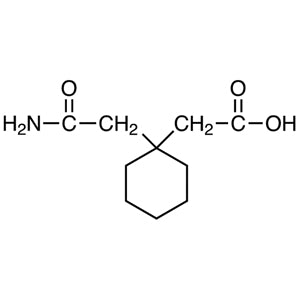
- TCI C2096 99189-60-3 1-(Carbamoylmethyl)cyclohexaneacetic Acid
- TCI T2122 16629-19-9 2-Thiophenesulfonyl Chloride
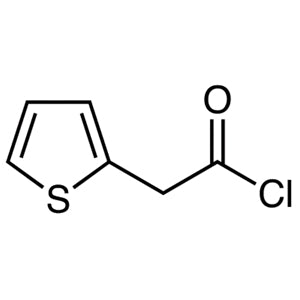
- TCI T1751 39098-97-0 Thiophene-2-acetyl Chloride
- TCI B4637 39827-11-7 Benzo[b]thiophene-2-carbonyl Chloride
- TCI B1940 4209-18-1 3-Benzyl-4-methylthiazolium Chloride
- Synthesis of Heterocyclic Compounds: This compound is ideal for creating complex ring structures due to its reactivity and structural versatility.
- Drug Development Research: Its role in forming functional groups makes it valuable in the development of pharmaceutical compounds.
- Organic Chemistry Education: It is frequently used in teaching laboratories to demonstrate reaction mechanisms and synthetic strategies.
- Molecular Structure Studies: Its unique chemical properties allow for detailed analysis in structural and spectroscopic studies.
- Coupling Reactions: Its ability to participate in electrophilic and nucleophilic reactions makes it suitable for bond formation in organic synthesis.
| Brand | TCI |
|---|---|
| CAS number | 41220-29-5 |
| Molecular formula | — |
| Purity | — |
| Category | Chemistry > Building Blocks > Heterocyclic Building Blocks |
| Pack sizes | Available in various quantities as per supplier specifications |
| Physical form | Solid (as per standard chemical product form) |
| Storage | Store in a cool, dry place away from moisture and direct sunlight |
This compound should be stored in a cool, dry environment, away from moisture and direct sunlight to maintain its chemical integrity. It is recommended to use airtight containers made of glass or polyethylene to prevent contamination and degradation. Due to its reactivity, it should be handled with appropriate personal protective equipment, including gloves and safety goggles. In laboratory settings, it should be stored separately from strong bases and oxidizing agents to avoid unwanted reactions. Proper ventilation is essential when working with this compound to ensure safe handling and minimize exposure risks.
—
Produk Terkait
-
PyridiniumTrifluoromethanesulfonate TCI P1627
Regular price From Rp 1.644.300,00Regular price -
1-(Carbamoylmethyl)cyclohexaneaceticAcid TCI C2096
Regular price From Rp 743.400,00Regular price -
2-ThiophenesulfonylChloride TCI T2122
Regular price From Rp 2.809.800,00Regular price -
Thiophene-2-acetylChloride TCI T1751
Regular price Rp 1.776.600,00Regular price -
Benzo[b]thiophene-2-carbonylChloride TCI B4637
Regular price From Rp 1.167.600,00Regular price -
3-Benzyl-4-methylthiazoliumChloride TCI B1940
Regular price Rp 2.995.650,00Regular price -
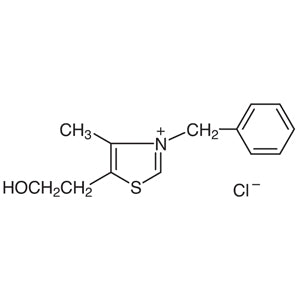
3-Benzyl-5-(2-hydroxyethyl)-4-methylthiazoliumChloride TCI B1224
Regular price Rp 2.227.050,00Regular price -
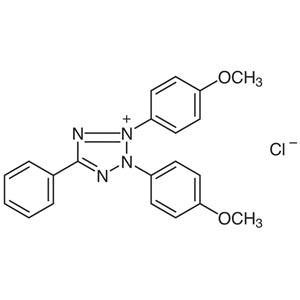
2,3-Bis(4-methoxyphenyl)-5-phenyltetrazoliumChloride TCI B1056
Regular price Rp 6.599.250,00Regular price


![39827-11-7 Benzo[b]thiophene-2-carbonyl Chloride - AMI Scientific](http://amiscientific.com/cdn/shop/files/TCI2510B4637_9d4e67db-4d59-4414-9881-fc1acfc72b84.jpg?v=1767437371&width=533)