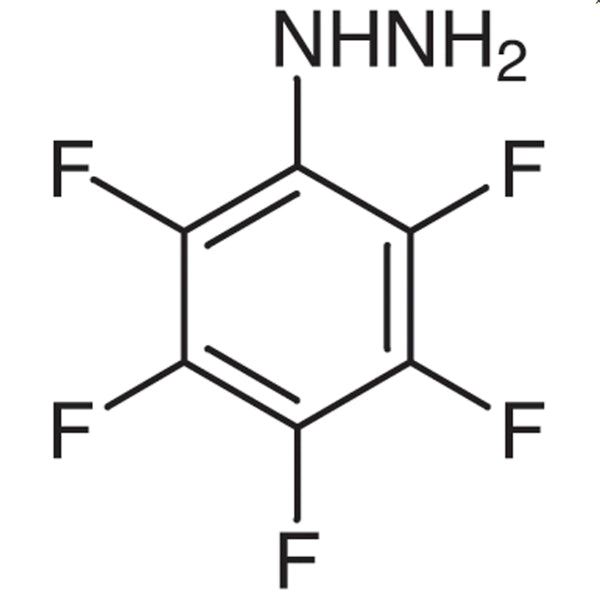
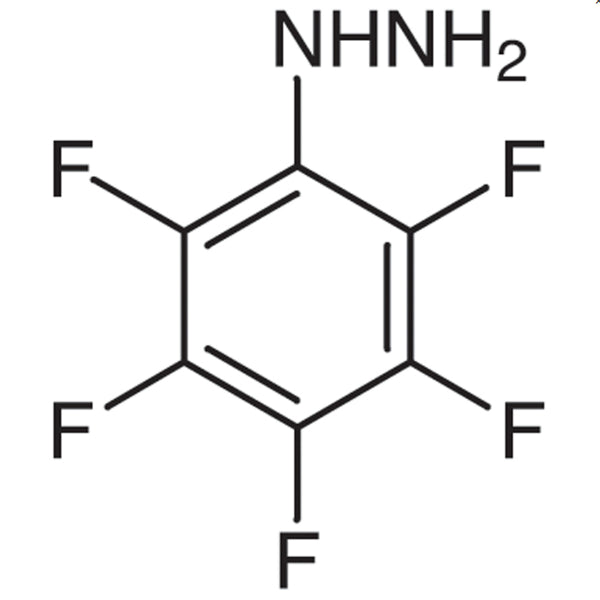
Pentafluorophenylhydrazine is a chemical compound widely used in organic reactions, particularly in the synthesis of heterocyclic compounds and complex molecular structures. It serves as a key reagent in laboratory settings, enabling the formation of compounds with specific properties such as biological activity or optical characteristics. This compound is commonly utilized in substitution reactions and hydrazinization processes, making it an essential tool for chemists working on advanced synthetic pathways. Its versatility and reactivity make it a valuable resource in both research and educational environments.
The compound is known for its stable chemical structure and controlled reactivity under specific conditions. These properties allow it to react with various functional groups, making it a preferred choice for the synthesis of complex molecules. Its ability to participate in a wide range of chemical transformations enhances its utility in laboratory experiments. Additionally, its availability and reliability in different reaction conditions contribute to its popularity among researchers and students alike.
In Indonesian laboratories, pentafluorophenylhydrazine is commonly used in scientific research and higher education, especially in the fields of organic chemistry and pharmaceutical sciences. Its application supports the development of new compounds and the understanding of complex chemical reactions. The compound plays a crucial role in advancing both academic and industrial research in the region.
Related TCI products
- TCI T2415 133115-72-7 4-(Trifluoromethoxy)phenylhydrazine Hydrochloride
- TCI T2411 368-78-5 3-(Trifluoromethyl)phenylhydrazine
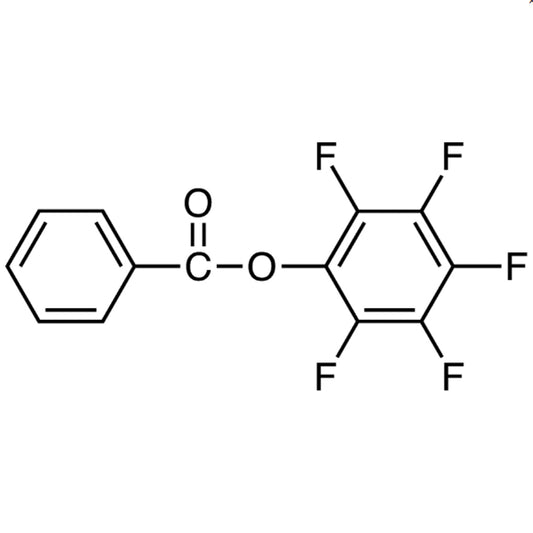
- TCI P2229 1548-84-1 Pentafluorophenyl Benzoate
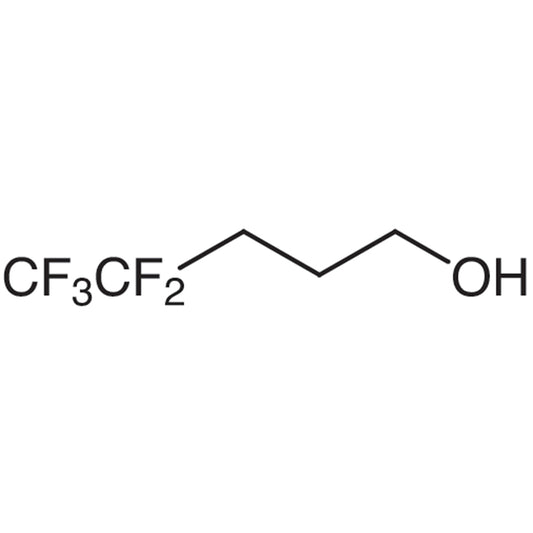
- TCI P1342 148043-73-6 4,4,5,5,5-Pentafluoro-1-pentanol
- TCI P1004 653-21-4 Pentafluorophenylacetic Acid
- TCI P0935 773-82-0 Pentafluorobenzonitrile
- Synthesis of Heterocyclic Compounds: Pentafluorophenylhydrazine is ideal for creating heterocyclic structures due to its reactivity and ability to form stable intermediates.
- Organic Reaction Research: It is widely used in studying substitution and hydrazinization reactions, offering reliable results in controlled experimental settings.
- Pharmaceutical Compound Development: Its role in synthesizing compounds with specific biological activities makes it valuable in drug discovery and development.
- Educational Research Projects: It is commonly used in academic settings to teach and demonstrate complex organic reactions and synthetic strategies.
- Advanced Chemical Synthesis: Its versatility allows it to be employed in the creation of complex molecular structures, supporting both theoretical and applied research.
| Brand | TCI |
|---|---|
| CAS number | 828-73-9 |
| Molecular formula | — |
| Purity | — |
| Category | Chemistry > Building Blocks > Fluorinated Building Blocks |
| Pack sizes | — |
| Physical form | — |
| Storage | Store in a cool, dry place away from light and moisture |
Pentafluorophenylhydrazine should be stored in a cool, dry place, away from light and moisture to maintain its chemical stability. It is recommended to use airtight containers to prevent exposure to air and humidity. Due to its chemical nature, it should be handled in a well-ventilated area, ideally with appropriate personal protective equipment such as gloves and safety goggles. Avoid contact with incompatible materials, and ensure that storage conditions are consistent with standard laboratory safety protocols. Proper labeling and secure storage are essential to prevent accidental exposure and ensure safe handling in laboratory environments.
—
Produk Terkait
-
4-(Trifluoromethoxy)phenylhydrazineHydrochloride TCI T2415
Regular price From Rp 743.400,00Regular price -
3-(Trifluoromethyl)phenylhydrazine TCI T2411
Regular price From Rp 1.353.450,00Regular price -
PentafluorophenylBenzoate TCI P2229
Regular price From Rp 1.326.150,00Regular price -
4,4,5,5,5-Pentafluoro-1-pentanol TCI P1342
Regular price From Rp 1.856.400,00Regular price -
PentafluorophenylaceticAcid TCI P1004
Regular price Rp 1.590.750,00Regular price -
Pentafluorobenzonitrile TCI P0935
Regular price From Rp 1.035.300,00Regular price -
1-(Pentafluorophenyl)ethanol TCI P0925
Regular price Rp 1.670.550,00Regular price -
2,2,3,3,3-Pentafluoro-1-propanol TCI P0845
Regular price Rp 1.696.800,00Regular price