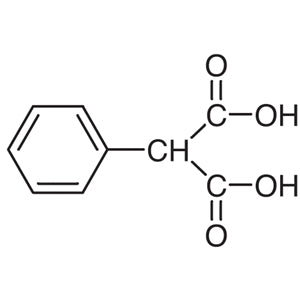
Phenylmalonic Acid from TCI (product code P0987) is a dicarboxylic acid derived from malonic acid. A phenyl group is attached to the carbon atom between its two carboxyl groups. In organic chemistry laboratories, chemists use it as a non-heterocyclic building block for molecules that contain a phenylacetic or phenylmalonic fragment. It is a known intermediate in the synthesis of several pharmaceutical compounds, such as semi-synthetic penicillin antibiotics like carbenicillin. It is also widely used in studies of decarboxylation reaction mechanisms.
Chemists choose this compound because it has two carboxylic acid groups on the same carbon atom, which gives it the typical reactivity of malonic acids. Both carboxyl groups can be esterified or converted into acyl derivatives. When heated, one carboxyl group can leave as carbon dioxide, which produces phenylacetic acid. The hydrogen on the central carbon sits between two carbonyl groups, so it is fairly acidic and well suited to condensation reactions. The phenyl group adds aromatic character and affects the stability of reaction intermediates. This makes the compound useful for kinetic and mechanistic studies.
In Indonesia, this material is used by university organic chemistry laboratories, pharmaceutical research and development teams, and research institutions that work on synthesis methods. Researchers use it to prepare phenylacetic acid derivatives and to build more complex intermediates. Lecturers and students use it in advanced coursework and thesis projects that study decarboxylation and condensation reactions. Because it comes from TCI, laboratories can expect consistent quality between batches, which supports reproducible experiments and reliable comparisons across studies.
- Synthesis of pharmaceutical intermediates: it is a known precursor for semi-synthetic penicillins such as carbenicillin, where the phenylmalonic fragment is part of the side chain.
- Decarboxylation mechanism studies: when heated, it loses one carboxyl group as carbon dioxide to form phenylacetic acid, so it works well as a model substrate for this reaction.
- Esterification and acyl derivative preparation: its two carboxylic acid groups can be converted into esters or other acyl derivatives for further synthetic steps.
- Condensation reactions: the fairly acidic hydrogen on the central carbon sits between two carbonyl groups, which allows carbon–carbon bond-forming condensations typical of malonic acid chemistry.
- Kinetic and mechanistic research: the phenyl group affects the stability of reaction intermediates, so it is useful for comparing substituent effects with unsubstituted malonic acid.
| Brand | TCI (Tokyo Chemical Industry), product code P0987 |
|---|---|
| CAS number | 2613-89-0 |
| Molecular formula | — |
| Purity | — |
| Category | Chemistry > Building Blocks > Non-Heterocyclic Building Blocks |
| Pack sizes | as listed in the variant options on this product page |
| Physical form | see the TCI product label and certificate of analysis |
| Storage | keep tightly closed in a cool, dry place, following the TCI label recommendations |
Store Phenylmalonic Acid in its original, tightly sealed container in a cool, dry, well-ventilated area. Keep it away from direct sunlight, heat sources, and moisture. Because the compound decarboxylates when heated, do not expose it to high temperatures during storage. Keep it apart from strong bases and strong oxidizing agents. When handling it, wear a laboratory coat, safety glasses, and chemical-resistant gloves. Weigh and transfer the material in a fume hood or a well-ventilated area so you do not inhale dust. Avoid contact with skin and eyes. Check the TCI Safety Data Sheet before use, and dispose of waste according to your institution's chemical waste procedures.
—
Produk Terkait
-
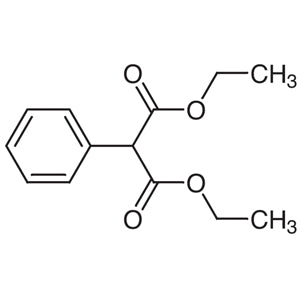
DiethylPhenylmalonate TCI P0311
Regular price From Rp 637.350,00Regular price -
ButylmalonicAcid TCI B4414
Regular price From Rp 1.273.650,00Regular price -
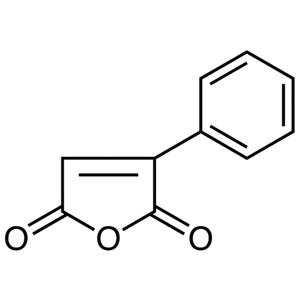
PhenylmaleicAnhydride TCI P2096
Regular price From Rp 955.500,00Regular price -
EthylmalonicAcid TCI E0137
Regular price From Rp 2.227.050,00Regular price -
BenzylmalonicAcid TCI B0422
Regular price From Rp 1.298.850,00Regular price -
N-Phenylmaleimide TCI P0900
Regular price From Rp 505.050,00Regular price -
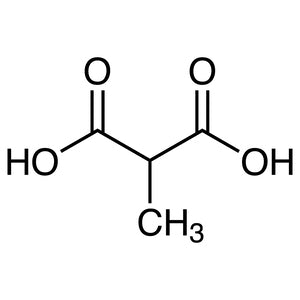
MethylmalonicAcid TCI M0568
Regular price From Rp 2.386.650,00Regular price -
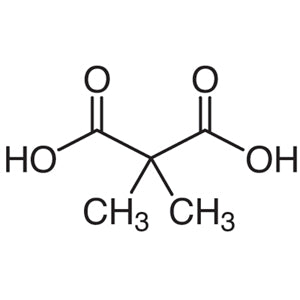
DimethylmalonicAcid TCI D2606
Regular price From Rp 1.298.850,00Regular price