Benzylmalonic Acid is a chemical compound widely used in laboratory settings as a building block for various organic synthesis reactions. It serves as a versatile intermediate in the creation of complex organic molecules, including heterocyclic compounds, pharmaceuticals, and industrial chemicals. Its molecular structure enables it to participate in substitution reactions and other essential chemical processes, making it a fundamental component in synthetic chemistry. This compound is particularly valuable for researchers aiming to design and synthesize new compounds with specific structural features.
The chemical properties of Benzylmalonic Acid make it a preferred choice for laboratory applications. It exhibits good solubility in organic solvents such as ethyl acetate and acetone, facilitating efficient separation and reaction processes. Its chemical stability under controlled conditions allows for reliable use in a variety of experimental setups. However, it is highly reactive under certain conditions, such as high temperatures, the presence of catalysts, or specific solvents, which requires careful handling. These characteristics contribute to its effectiveness in both academic and industrial research environments.
In Indonesian laboratories, Benzylmalonic Acid is commonly used in chemical research, especially within higher education institutions and research organizations. It plays a crucial role in undergraduate and graduate studies, supporting experiments in chemistry, pharmacy, and chemical engineering. Its availability and reliability make it an essential reagent for students and researchers working on synthetic pathways and compound development.
- Organic synthesis of heterocyclic compounds due to its reactive functional groups and structural versatility.
- Pharmaceutical research for the development of new drug molecules through intermediate synthesis pathways.
- Industrial chemical production where stable and reactive intermediates are required for complex molecule formation.
- Academic teaching laboratories for demonstrating substitution and condensation reactions in organic chemistry courses.
- Analytical chemistry applications for use in standardization and calibration of chemical reagents and solvents.
| Brand | TCI |
|---|---|
| CAS number | 616-75-1 |
| Molecular formula | — |
| Purity | — |
| Category | Chemistry > Building Blocks > Non-Heterocyclic Building Blocks |
| Pack sizes | Available in various quantities as per standard laboratory supply formats |
| Physical form | Solid, crystalline or powder depending on purity and manufacturing process |
| Storage | — |
Benzylmalonic Acid should be stored in a cool, dry, and well-ventilated area away from direct sunlight and sources of heat. It is recommended to use airtight containers made of glass or high-density polyethylene to prevent moisture absorption and contamination. Due to its reactivity under certain conditions, it should be handled with care, using appropriate personal protective equipment such as gloves and safety goggles. It is important to store it separately from strong oxidizing agents and incompatible materials to ensure safety in the laboratory environment. Always follow standard chemical handling protocols to maintain the integrity and effectiveness of the compound during storage and use.
—
Produk Terkait
-
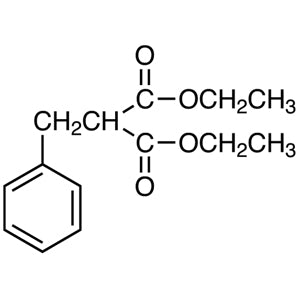
DiethylBenzylmalonate TCI B0423
Regular price From Rp 1.431.150,00Regular priceRp 1.000.650,00Sale price From Rp 1.431.150,00 -
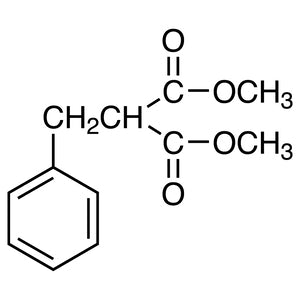
DimethylBenzylmalonate TCI D3432
Regular price From Rp 1.829.100,00Regular priceRp 1.278.900,00Sale price From Rp 1.829.100,00 -
ButylmalonicAcid TCI B4414
Regular price From Rp 1.326.150,00Regular priceRp 942.900,00Sale price From Rp 1.326.150,00 -
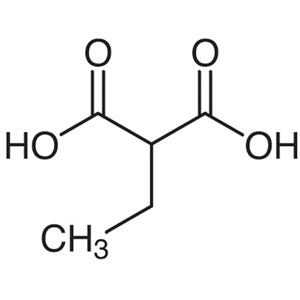
EthylmalonicAcid TCI E0137
Regular price From Rp 2.279.550,00Regular priceRp 1.609.650,00Sale price From Rp 2.279.550,00 -
PhenylmalonicAcid TCI P0987
Regular price Rp 980.700,00Regular priceRp 685.650,00Sale price Rp 980.700,00 -
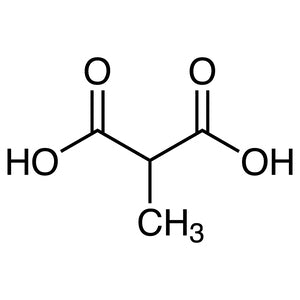
MethylmalonicAcid TCI M0568
Regular price From Rp 2.439.150,00Regular priceRp 1.720.950,00Sale price From Rp 2.439.150,00 -
DimethylmalonicAcid TCI D2606
Regular price From Rp 1.351.350,00Regular priceRp 960.750,00Sale price From Rp 1.351.350,00 -
CyclopentylmalonicAcid TCI C0945
Regular price From Rp 3.260.250,00Regular priceRp 2.295.300,00Sale price From Rp 3.260.250,00