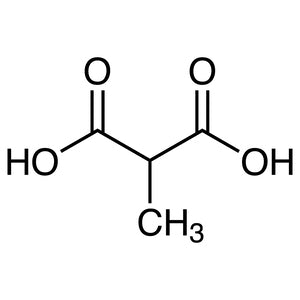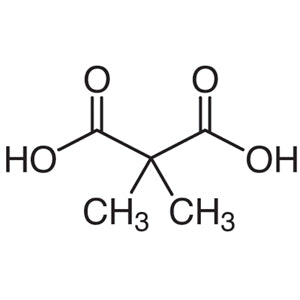
Dimethylmalonic Acid (DMMA), also known as TCI D2606 with CAS number 595-46-0, is an organic compound widely used in chemical reactions within laboratory settings. This versatile building block is essential for the synthesis of complex molecules, particularly in organic chemistry. Its simple molecular structure allows for easy modification, making it a valuable tool in the development of heterocyclic compounds, esters, and other functional derivatives. In research environments, DMMA is frequently employed to create compounds with specific structural features, contributing to advancements in pharmaceutical and material science.
DMMA is prized for its reactivity and chemical stability under controlled conditions. It is especially effective in substitution reactions and carbon-carbon bond formation, which are fundamental processes in synthetic chemistry. Despite its reactivity, DMMA maintains chemical stability when stored properly, making it a reliable reagent for consistent results. Its crystalline solid form and distinct odor also aid in identification and handling. The high purity and consistent quality of DMMA ensure its reliability as a key reagent in scientific research.
In Indonesian laboratories, DMMA is extensively used by chemists, pharmacists, and material scientists. It plays a crucial role in various research projects, particularly those involving the synthesis of pharmaceutical compounds and advanced materials. Its availability and performance make it a preferred choice for both academic and industrial research applications in the region.
- Synthesis of Heterocyclic Compounds: DMMA is ideal for creating complex ring structures due to its reactivity and ability to undergo various chemical transformations.
- Esterification Reactions: Its carboxylic acid functionality makes it suitable for ester synthesis, which is essential in pharmaceutical and organic chemistry.
- Carbon-Carbon Bond Formation: DMMA is frequently used in reactions that build molecular frameworks, such as in the synthesis of organic polymers and specialty chemicals.
- Pharmaceutical Compound Development: Its role in synthesizing active pharmaceutical ingredients supports drug discovery and development efforts.
- Material Science Research: DMMA contributes to the creation of functional materials with specific chemical properties, enhancing the performance of polymers and coatings.
| Brand | TCI |
|---|---|
| CAS number | 595-46-0 |
| Molecular formula | — |
| Purity | — |
| Category | Chemistry > Building Blocks > Non-Heterocyclic Building Blocks |
| Pack sizes | Available in various quantities as per standard laboratory supply |
| Physical form | Solid, crystalline |
| Storage | Store in a cool, dry place away from heat and oxidizing agents |
DMMA should be stored in a cool, dry environment to maintain its chemical stability and prevent degradation. It is recommended to keep it in airtight containers to minimize exposure to moisture and air, which can affect its reactivity. Due to its sensitivity to heat and oxidation, it should be kept away from direct sunlight and sources of heat. Proper labeling of containers is essential for safe handling and to prevent accidental use. In laboratory settings, it is important to use appropriate personal protective equipment, such as gloves and goggles, when handling DMMA to ensure safety and compliance with standard laboratory protocols.
—
Produk Terkait
-
MethylmalonicAcid TCI M0568
Regular price From Rp 2.386.650,00Regular price -
EthylmalonicAcid TCI E0137
Regular price From Rp 2.227.050,00Regular price -
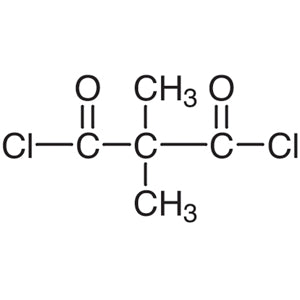
DimethylmalonylDichloride TCI D2723
Regular price From Rp 3.630.900,00Regular price -
N,N,N',N'-Tetramethylmalonamide TCI T1891
Regular price Rp 6.625.500,00Regular price -
DiethylMethylmalonate TCI M0366
Regular price From Rp 637.350,00Regular price -
DimethylMethylmalonate TCI D6097
Regular price From Rp 1.644.300,00Regular price -
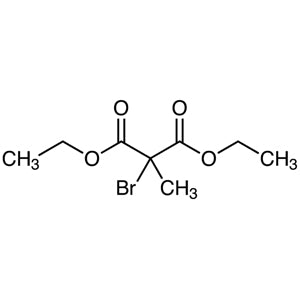
Diethyl2-Bromo-2-methylmalonate TCI D4368
Regular price Rp 2.016.000,00Regular price -
Diethyl2-Ethyl-2-methylmalonate TCI D3630
Regular price From Rp 1.776.600,00Regular price