3-Pentadecylphenol is a chemical compound widely used as a foundational material in various chemical reactions and the synthesis of complex molecules. It is a phenolic compound with a long hydrocarbon chain, which gives it unique reactivity and versatility in laboratory settings. This compound is commonly employed as a precursor in the development of surfactants, polymers, and industrial chemicals. Its structure allows it to interact with a range of functional groups, making it a valuable tool for chemists working on diverse synthetic pathways.
The non-polar nature of 3-Pentadecylphenol, combined with its ability to form stable chemical bonds, makes it a preferred choice for many laboratory applications. It exhibits relatively high melting and boiling points, which is advantageous for reactions that require controlled thermal conditions. These properties ensure its stability under various experimental conditions, making it a reliable component in both research and industrial chemical processes. Its chemical inertness and reactivity also allow it to be used in multiple synthetic strategies without compromising the integrity of the final product.
In Indonesian laboratories, 3-Pentadecylphenol is frequently used in organic chemistry research, particularly in the fields of materials science and industrial chemistry. It plays a key role in the development of new materials and the synthesis of complex molecules. Its availability and reliability make it a staple in research programs focused on chemical innovation and advanced synthesis techniques. This compound is essential for scientists aiming to explore new chemical reactions and applications in both academic and industrial settings.
- Organic synthesis applications benefit from 3-Pentadecylphenol due to its reactivity and ability to form stable intermediates in complex molecule creation.
- Surfactant development relies on this compound as a key building block, offering non-polar characteristics that enhance surface activity and emulsification properties.
- Polymer research utilizes 3-Pentadecylphenol for its compatibility with various functional groups, enabling the creation of tailored polymer structures.
- Industrial chemical production uses this compound as a precursor for manufacturing a wide range of chemical products with specific functional properties.
- Material science experiments incorporate 3-Pentadecylphenol to explore new chemical structures and properties for advanced material applications.
| Brand | TCI |
|---|---|
| CAS number | 501-24-6 |
| Molecular formula | — |
| Purity | — |
| Category | Chemistry > Building Blocks > Non-Heterocyclic Building Blocks |
| Pack sizes | Available in various quantities as per supplier specifications |
| Physical form | Solid |
| Storage | Store in a cool, dry place away from direct sunlight and moisture |
3-Pentadecylphenol should be stored in a cool, dry environment to maintain its chemical integrity. It is recommended to keep it in a sealed container to prevent exposure to moisture and air, which could lead to degradation. The compound is non-hazardous under normal conditions but should be handled with care to avoid direct skin contact. In a laboratory setting, it is advisable to use appropriate personal protective equipment, such as gloves and safety goggles, when working with this material. Proper ventilation is also recommended to ensure a safe working environment. Regular monitoring of storage conditions will help preserve the compound's quality and effectiveness for laboratory use.
—
Produk Terkait
-
4-Dodecylphenol TCI D5681
Regular price Rp 11.448.150,00Regular price -
2-Dodecylphenol TCI D2302
Regular price From Rp 6.625.500,00Regular price -
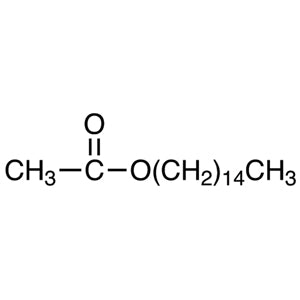
PentadecylAcetate TCI P1700
Regular price From Rp 1.458.450,00Regular price -
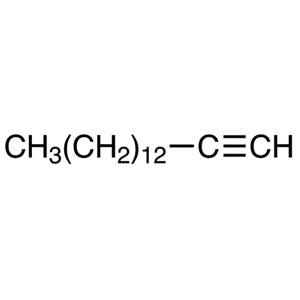
1-Pentadecyne TCI P0356
Regular price Rp 2.597.700,00Regular price -
Cyclopentadecanol TCI C1528
Regular price Rp 3.367.350,00Regular price -
Pentadecylbenzene TCI P0665
Regular price From Rp 2.625.000,00Regular price -
Pentadecylcyclohexane TCI P0369
Regular price From Rp 1.856.400,00Regular price