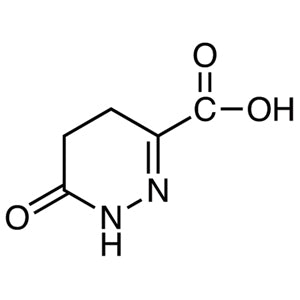
2-Phenylquinoline-4-carboxylic Acid is a chemical compound classified under the heterocyclic category. It serves as a fundamental building block in organic synthesis, playing a crucial role in the development of complex molecular structures within laboratory settings. This compound is widely utilized by researchers for its ability to participate in various chemical reactions, making it an essential tool in synthetic chemistry. Its unique molecular structure allows for versatile functional group modifications, enabling the creation of a wide range of derivatives with potential applications in multiple scientific fields.
The compound is known for its chemical stability under controlled laboratory conditions, which facilitates its handling and manipulation during synthetic processes. Its solubility in organic solvents enhances its usability in purification and isolation techniques, contributing to efficient experimental workflows. These properties make it a preferred choice for chemists seeking reliable and adaptable materials for their research. The compound’s compatibility with a variety of functional groups further expands its utility in the development of new compounds with pharmaceutical or industrial relevance.
In Indonesian laboratories, 2-Phenylquinoline-4-carboxylic Acid is commonly used in organic chemistry and pharmacological research. Scientists in Indonesia leverage its properties to synthesize new compounds with potential medical or industrial applications. Its role in advancing research in these fields underscores its importance as a key reagent in the scientific community.
TCI brochures (PDF)
- Ligands 2025-12-01 · p. 16
- Organic synthesis applications benefit from its role as a versatile building block for creating complex molecular structures.
- Pharmaceutical research utilizes it for the development of new drug candidates with targeted therapeutic effects.
- Analytical chemistry experiments use it as a standard reference material for qualitative and quantitative analysis.
- Industrial chemical processes incorporate it for the production of specialty chemicals and intermediates.
- Academic research projects employ it to explore novel synthetic pathways and chemical reactivity patterns.
| Brand | TCI |
|---|---|
| CAS number | 132-60-5 |
| Molecular formula | — |
| Purity | — |
| Category | Chemistry > Building Blocks > Heterocyclic Building Blocks |
| Pack sizes | Available in various quantities as per standard laboratory supply formats |
| Physical form | Solid powder |
| Storage | Store in a cool, dry place away from direct sunlight and moisture |
This compound should be stored in a cool, dry environment to maintain its chemical stability. It is recommended to keep it in a sealed container to prevent exposure to moisture and air. Suitable storage containers include glass or high-density polyethylene vessels that are resistant to chemical degradation. Due to its organic nature, it should be kept away from incompatible substances such as strong oxidizing agents. Regular inspection of storage conditions is advised to ensure the material remains in optimal condition for laboratory use. Always follow standard safety protocols when handling chemical substances to minimize risks associated with chemical exposure.
—
Produk Terkait
-
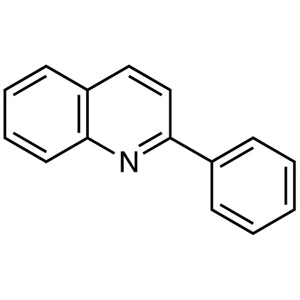
2-Phenylquinoline TCI P2057
Regular price From Rp 1.934.100,00Regular priceRp 1.368.150,00Sale price From Rp 1.934.100,00 -
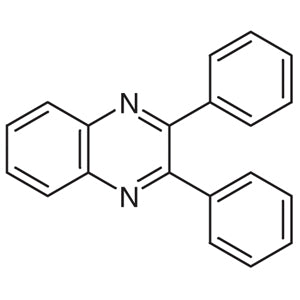
2,3-Diphenylquinoxaline TCI D2442
Regular price Rp 2.782.500,00Regular priceRp 1.961.400,00Sale price Rp 2.782.500,00 -
Benzo[h]quinoline TCI B0088
Regular price From Rp 2.650.200,00Regular priceRp 1.869.000,00Sale price From Rp 2.650.200,00 -
Xanthene-9-carboxylicAcid TCI X0031
Regular price From Rp 1.060.500,00Regular priceRp 757.050,00Sale price From Rp 1.060.500,00 -
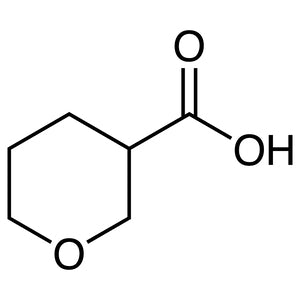
Tetrahydro-2H-pyran-3-carboxylicAcid TCI T4166
Regular price From Rp 1.458.450,00Regular priceRp 1.035.300,00Sale price From Rp 1.458.450,00 -
Tetrahydro-2H-pyran-2-carboxylicAcid TCI T4112
Regular price From Rp 1.618.050,00Regular priceRp 1.146.600,00Sale price From Rp 1.618.050,00 -
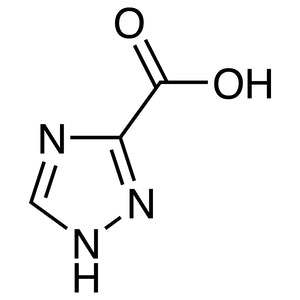
1H-1,2,4-Triazole-3-carboxylicAcid TCI T3824
Regular price From Rp 2.994.600,00Regular priceRp 2.109.450,00Sale price From Rp 2.994.600,00 -
1,4,5,6-Tetrahydro-6-oxopyridazine-3-carboxylicAcid TCI T2955
Regular price From Rp 795.900,00Regular priceRp 572.250,00Sale price From Rp 795.900,00