![230-27-3 Benzo[h]quinoline - AMI Scientific](http://amiscientific.com/cdn/shop/files/TCI2510B0088.jpg?v=1767085172&width=1946)
![230-27-3 Benzo[h]quinoline - AMI Scientific](http://amiscientific.com/cdn/shop/files/TCI2510B0088.jpg?v=1767085172&width=1445)
Benzo[h]quinoline is a heterocyclic compound with a complex aromatic structure, commonly used in organic chemistry reactions for the synthesis of various organic compounds. As a key component within the heterocyclic building blocks category, it plays a vital role in the development of new compounds with specific biological or chemical properties. Its unique molecular structure allows it to participate in multiple chemical reactions, including substitution, oxidation, and ring-opening processes, making it a versatile reagent in synthetic chemistry.
The compound is valued for its chemical stability under controlled conditions, though it is highly sensitive to oxidation and UV light exposure. These properties make it an essential material for researchers seeking precision in their chemical processes. Its ability to interact with a wide range of reagents also makes it a preferred choice for applications requiring high specificity. This sensitivity necessitates careful handling and storage to maintain its integrity and effectiveness.
In Indonesian laboratories, benzo[h]quinoline is frequently used in organic chemistry research, particularly in pharmacology and chemical materials. Its role in the development of bioactive compounds and functional materials underscores its importance in both academic and industrial research settings. The compound’s unique properties and reactivity make it a valuable tool for chemists working on complex synthetic pathways and molecular design.
TCI brochures (PDF)
- Ligands 2025-12-01 · p. 17
- Organic synthesis applications benefit from benzo[h]quinoline’s reactivity and structural versatility, enabling the creation of complex organic molecules with specific functional groups.
- In pharmacological research, it is used to develop bioactive compounds that may have therapeutic potential, due to its ability to participate in various chemical transformations.
- Chemical materials research utilizes benzo[h]quinoline for the synthesis of advanced materials with unique optical or electronic properties.
- It is a key reagent in the study of heterocyclic chemistry, supporting the exploration of new reaction mechanisms and synthetic pathways.
- Environmental chemistry studies may employ benzo[h]quinoline to investigate the behavior of aromatic compounds in different chemical environments and their reactivity.
| Brand | TCI |
|---|---|
| CAS number | 230-27-3 |
| Molecular formula | — |
| Purity | — |
| Category | Chemistry > Building Blocks > Heterocyclic Building Blocks |
| Pack sizes | Available in various quantities as per supplier specifications |
| Physical form | Solid, typically in crystalline or powder form |
| Storage | Store in a cool, dark place away from oxidizing agents and UV light |
Benzo[h]quinoline should be stored in a cool, dark environment to prevent degradation due to oxidation and UV exposure. It is recommended to use airtight containers made of materials such as glass or inert polymer to minimize exposure to air and moisture. Due to its sensitivity, it should be handled in a well-ventilated area, preferably under a fume hood, to avoid inhalation of vapors. Proper personal protective equipment, including gloves and safety goggles, should be worn during handling. The compound should be kept away from incompatible materials such as strong oxidizers to ensure safe storage and use in the laboratory.
—
Produk Terkait
-
Benzo[f]quinoline TCI B0087
Regular price Rp 2.545.200,00Regular price -
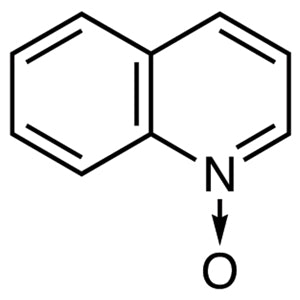
QuinolineN-Oxide TCI Q0104
Regular price Rp 1.829.100,00Regular price -
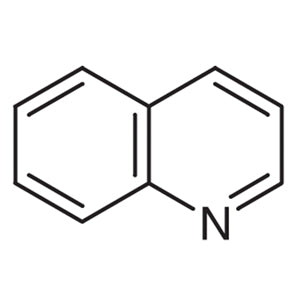
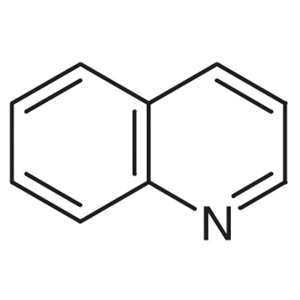
Quinoline TCI Q0085
Regular price From Rp 477.750,00Regular price -
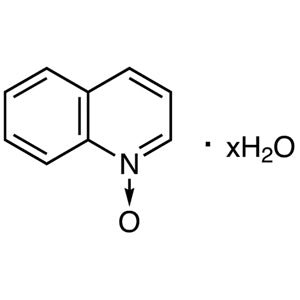
QuinolineN-OxideHydrate TCI Q0072
Regular price From Rp 4.268.250,00Regular price -
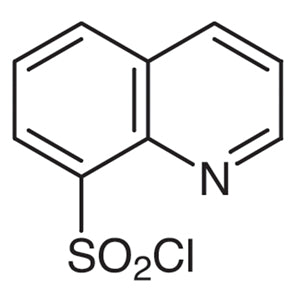
Quinoline-8-sulfonylChloride TCI Q0016
Regular price From Rp 1.644.300,00Regular price -
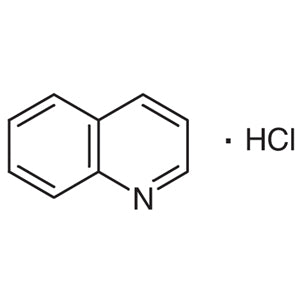
QuinolineHydrochloride TCI Q0013
Regular price Rp 1.431.150,00Regular price -
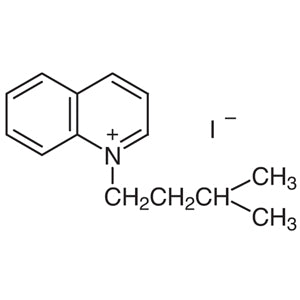
QuinolineIsoamylIodide TCI Q0012
Regular price Rp 5.114.550,00Regular price -
Quinoline TCI Q0011
Regular price From Rp 903.000,00Regular price
![85-02-9 Benzo[f]quinoline - AMI Scientific](http://amiscientific.com/cdn/shop/files/TCI2510B0087.jpg?v=1767085168&width=533)