![85-02-9 Benzo[f]quinoline - AMI Scientific](http://amiscientific.com/cdn/shop/files/TCI2510B0087.jpg?v=1767085168&width=1946)
![85-02-9 Benzo[f]quinoline - AMI Scientific](http://amiscientific.com/cdn/shop/files/TCI2510B0087.jpg?v=1767085168&width=1445)
Benzo[f]quinoline is a heterocyclic compound with a complex molecular structure, widely used in various chemical applications. It serves as a fundamental building block in organic chemistry, particularly in the synthesis of more complex molecules. In laboratory settings, it plays a crucial role in the development of synthetic compounds and pharmaceutical research. Its chemical stability makes it a valuable reagent for reactions requiring molecular structure integrity. This compound is often employed in the creation of bioactive substances, contributing to advancements in medicinal chemistry and chemical synthesis.
The unique chemical properties of benzo[f]quinoline make it a preferred choice for specialized chemical processes. It exhibits stability against oxidation and reduction reactions, which is essential for maintaining the integrity of chemical structures during synthesis. Its reactivity under nucleophilic and electrophilic conditions allows for controlled chemical transformations. These characteristics enable precise manipulation in laboratory settings, making it ideal for applications that demand high accuracy and reproducibility. The compound’s ability to participate in diverse chemical reactions further enhances its versatility in research and development.
In Indonesian laboratories, benzo[f]quinoline is commonly used in organic chemistry research, especially in pharmaceutical and synthetic chemistry fields. Its role in the development of bioactive compounds supports drug discovery and chemical innovation. The compound’s stability and reactivity make it a reliable choice for researchers working on complex molecular structures. Its application in both academic and industrial settings highlights its importance in advancing chemical science within the region.
- Organic synthesis applications benefit from benzo[f]quinoline’s stability and reactivity, enabling the creation of complex molecular structures with high precision.
- Pharmaceutical research utilizes this compound for the development of bioactive substances, supporting drug discovery and chemical innovation.
- Chemical characterization studies rely on its unique molecular properties to analyze and identify complex organic compounds.
- Synthetic chemistry projects use benzo[f]quinoline as a building block for the design and synthesis of novel compounds with specific functional groups.
- Research in medicinal chemistry employs it to explore the biological activity of new compounds, contributing to the development of therapeutic agents.
| Brand | TCI |
|---|---|
| CAS number | 85-02-9 |
| Molecular formula | — |
| Purity | — |
| Category | Chemistry > Building Blocks > Heterocyclic Building Blocks |
| Pack sizes | Available in various quantities as per standard laboratory supply |
| Physical form | Solid |
| Storage | Store in a cool, dry place away from light and incompatible materials |
Benzo[f]quinoline should be stored in a cool, dry environment, away from direct sunlight and sources of heat. It is recommended to keep the compound in a sealed container to prevent moisture absorption and contamination. Due to its chemical stability, it does not require refrigeration but should be protected from air and moisture. In laboratory settings, it is important to handle the compound with appropriate personal protective equipment, such as gloves and safety goggles, to ensure safety during use and storage. Proper labeling of storage containers is essential for safe handling and to prevent accidental exposure. Regular inspection of storage conditions ensures the compound remains in optimal condition for use in research applications.
—
Produk Terkait
-
Benzo[h]quinoline TCI B0088
Regular price From Rp 2.597.700,00Regular price -
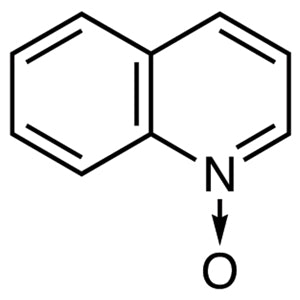
QuinolineN-Oxide TCI Q0104
Regular price Rp 1.829.100,00Regular price -
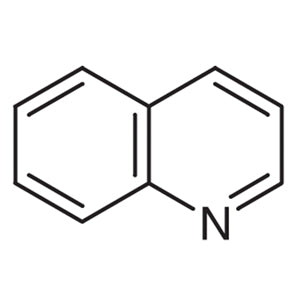
Quinoline TCI Q0085
Regular price From Rp 477.750,00Regular price -
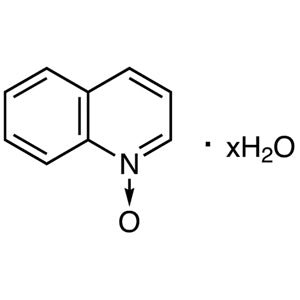
QuinolineN-OxideHydrate TCI Q0072
Regular price From Rp 4.268.250,00Regular price -
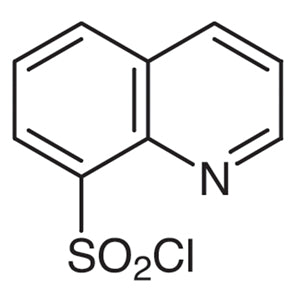
Quinoline-8-sulfonylChloride TCI Q0016
Regular price From Rp 1.644.300,00Regular price -
QuinolineHydrochloride TCI Q0013
Regular price Rp 1.431.150,00Regular price -
QuinolineIsoamylIodide TCI Q0012
Regular price Rp 5.114.550,00Regular price -
Quinoline TCI Q0011
Regular price From Rp 903.000,00Regular price
![230-27-3 Benzo[h]quinoline - AMI Scientific](http://amiscientific.com/cdn/shop/files/TCI2510B0088.jpg?v=1767085172&width=533)