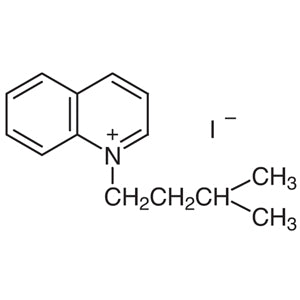
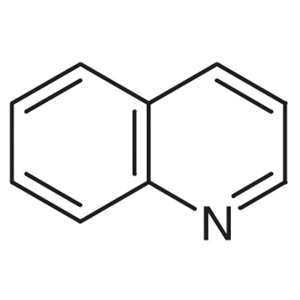
Quinoline is a heterocyclic compound with an aromatic structure and serves as a fundamental building block in organic chemistry. It is widely used in the synthesis of complex molecules, particularly in pharmaceutical and organic chemistry research. In the laboratory, quinoline plays a crucial role in the development of drugs, pesticides, and industrial chemicals. Its stable chemical properties and controlled reactivity make it a preferred choice for various chemical reactions requiring heterocyclic compounds. Quinoline's ability to interact with different functional groups enhances its versatility in synthetic applications.
Quinoline exhibits unique chemical properties, including polarity and a relatively high melting point, which facilitate its separation and evaporation processes. These characteristics make it suitable for use in a variety of chemical reactions and analytical procedures. Its stability under certain conditions also allows for easy storage and handling in laboratory environments. This combination of chemical stability and reactivity makes quinoline a highly sought-after material in chemical research. In Indonesian laboratories, quinoline is extensively used in scientific research, especially in pharmaceutical, organic chemistry, and analytical chemistry fields. Its reliability and effectiveness contribute to its popularity among researchers and institutions.
In Indonesian laboratories, quinoline is commonly used in pharmaceutical research for drug development and in organic chemistry for synthesizing complex compounds. It is also employed in analytical chemistry for testing and identifying various chemical substances. Its widespread use across different scientific disciplines highlights its importance as a key reagent in laboratory settings.
- Pharmaceutical research utilizes quinoline for the synthesis of bioactive compounds due to its structural versatility and reactivity.
- Organic chemistry applications benefit from quinoline's ability to participate in diverse chemical reactions, enhancing synthetic pathways.
- Analytical chemistry employs quinoline for its polarity and solubility properties, aiding in the detection and analysis of complex mixtures.
- Industrial chemical production relies on quinoline as a foundational compound for creating pesticides and other specialized products.
- Educational institutions use quinoline in teaching and research to demonstrate heterocyclic chemistry and synthetic methodologies.
| Brand | TCI |
|---|---|
| CAS number | 91-22-5 |
| Molecular formula | — |
| Purity | — |
| Category | Chemistry > Building Blocks > Heterocyclic Building Blocks |
| Pack sizes | — |
| Physical form | — |
| Storage | Store in a cool, dry place away from direct sunlight |
Quinoline should be stored in a cool, dry environment, away from direct sunlight and sources of heat. It is recommended to use airtight containers made of glass or polyethylene to prevent contamination and maintain chemical stability. Due to its chemical properties, it is important to handle quinoline with care, using appropriate personal protective equipment such as gloves and safety goggles. In laboratory settings, ensure proper ventilation to minimize exposure. Avoid contact with incompatible materials and follow standard safety protocols to ensure safe handling and storage. Proper storage conditions help preserve the integrity of the compound and ensure its effectiveness in research applications.
—
Produk Terkait
-
Benzo[h]quinoline TCI B0088
Regular price From Rp 2.597.700,00Regular price -
Benzo[f]quinoline TCI B0087
Regular price Rp 2.545.200,00Regular price -
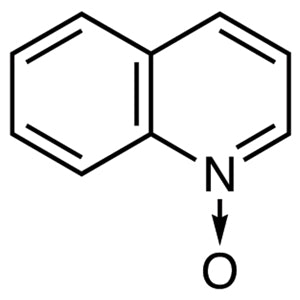
QuinolineN-Oxide TCI Q0104
Regular price Rp 1.829.100,00Regular price -
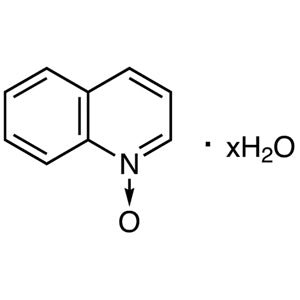
QuinolineN-OxideHydrate TCI Q0072
Regular price From Rp 4.268.250,00Regular price -
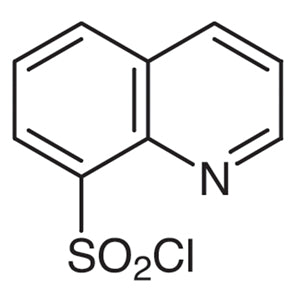
Quinoline-8-sulfonylChloride TCI Q0016
Regular price From Rp 1.644.300,00Regular price -
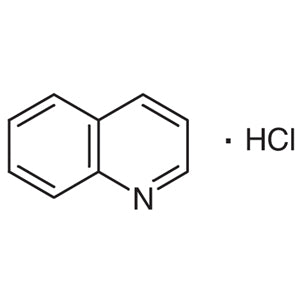
QuinolineHydrochloride TCI Q0013
Regular price Rp 1.431.150,00Regular price -
QuinolineIsoamylIodide TCI Q0012
Regular price Rp 5.114.550,00Regular price -
Quinoline TCI Q0011
Regular price From Rp 903.000,00Regular price
![230-27-3 Benzo[h]quinoline - AMI Scientific](http://amiscientific.com/cdn/shop/files/TCI2510B0088.jpg?v=1767085172&width=533)
![85-02-9 Benzo[f]quinoline - AMI Scientific](http://amiscientific.com/cdn/shop/files/TCI2510B0087.jpg?v=1767085168&width=533)