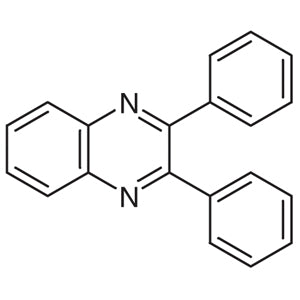
2,3-Diphenylquinoxaline is a chemical compound classified under the heterocyclic category, making it a valuable building block in organic chemistry. This compound is widely used in the synthesis of complex molecules, particularly in the fields of organic chemistry and pharmacology. As a fundamental component, it serves as a precursor for the development of compounds with specific biological activities. In laboratory settings, it is essential for creating intermediate compounds that can be further processed into pharmaceuticals or industrial chemicals.
The compound’s stable heterocyclic structure and ability to form bonds with various functional groups make it a preferred choice for researchers. These properties allow it to participate in a wide range of chemical reactions, contributing to the synthesis of diverse molecular structures. Its chemical versatility and reactivity make it a key material for advanced chemical investigations. Additionally, its stability under certain conditions ensures that it remains effective during synthesis processes without significant degradation.
In Indonesian laboratories, 2,3-Diphenylquinoxaline is commonly used in scientific research, especially in organic chemistry and pharmacology. Local researchers frequently utilize this compound to develop new substances with potential medical or industrial applications. Its availability and reliability make it an essential tool for both academic and industrial research projects in the region.
- Organic Synthesis: This compound is widely used in the synthesis of complex organic molecules due to its stable heterocyclic structure and reactivity.
- Pharmaceutical Research: It serves as a building block for the development of new drugs with specific biological activities.
- Heterocyclic Chemistry Studies: Its unique structure makes it ideal for studying the behavior of heterocyclic compounds in various chemical reactions.
- Intermediate Compound Production: It is frequently used to create intermediate compounds that can be further processed into final products.
- Drug Discovery Programs: Researchers use it to explore new therapeutic agents and optimize existing drug formulations.
| Brand | TCI |
|---|---|
| CAS number | 1684-14-6 |
| Molecular formula | — |
| Purity | — |
| Category | Chemistry > Building Blocks > Heterocyclic Building Blocks |
| Pack sizes | Available in standard laboratory quantities |
| Physical form | Solid |
| Storage | Store in a cool, dry place away from light |
2,3-Diphenylquinoxaline should be stored in a cool, dry environment, away from direct light to maintain its stability. It is recommended to keep the compound in a tightly sealed container to prevent moisture absorption. Due to its chemical nature, it should be handled with appropriate personal protective equipment, such as gloves and safety goggles, to ensure laboratory safety. The compound is generally non-hazardous under normal conditions but should be stored separately from incompatible materials. Proper ventilation is advised when working with it to minimize any potential exposure. Regular inspection of storage conditions is essential to ensure the compound remains in optimal condition for use in research applications.
—
Produk Terkait
-
Benzo[g]quinoxaline TCI B4540
Regular price Rp 2.016.000,00Regular price -
Quinoxaline1,4-Dioxide TCI Q0110
Regular price From Rp 2.359.350,00Regular price -
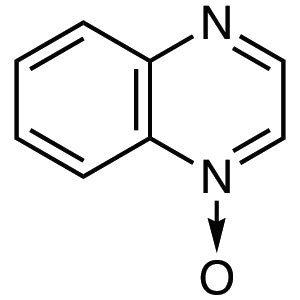
Quinoxaline1-Oxide TCI Q0108
Regular price From Rp 1.618.050,00Regular price -
Quinoxaline TCI Q0020
Regular price Rp 1.538.250,00Regular price -
6H-Indolo[2,3-b]quinoxaline TCI I1098
Regular price Rp 1.803.900,00Regular price -
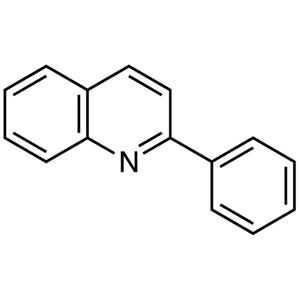
2-Phenylquinoline TCI P2057
Regular price From Rp 1.881.600,00Regular price -
2-Phenylquinoline-4-carboxylicAcid TCI P1301
Regular price Rp 1.273.650,00Regular price -
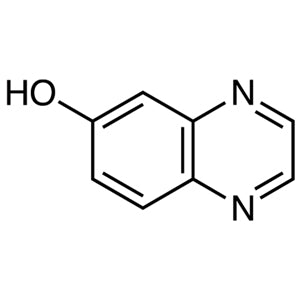
6-Quinoxalinol TCI Q0101
Regular price From Rp 2.704.800,00Regular price
![260-50-4 Benzo[g]quinoxaline - AMI Scientific](http://amiscientific.com/cdn/shop/files/TCI2510B4540.jpg?v=1767091332&width=533)

![243-59-4 6H-Indolo[2,3-b]quinoxaline - AMI Scientific](http://amiscientific.com/cdn/shop/files/TCI2510I1098.jpg?v=1767120775&width=533)