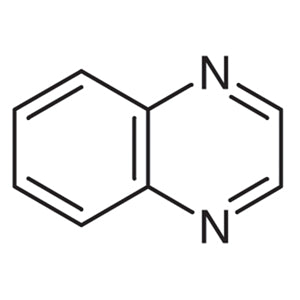
Quinoxaline 1,4-Dioxide (TCI Q0110), with CAS number 2423-66-7, is a versatile organic compound widely used in synthetic chemistry. As a heterocyclic building block, it serves as a fundamental component in the synthesis of complex molecules with heterocyclic structures. Its unique molecular structure, featuring two oxygen atoms at positions 1 and 4 of the quinoxaline ring, makes it highly reactive and suitable for a variety of chemical transformations. In the laboratory, it plays a crucial role in both coupling and substitution reactions, contributing to the development of pharmaceuticals and advanced materials.
This compound is valued for its chemical stability under controlled conditions, combined with its high reactivity in different reaction environments. Its ability to participate in reactions involving oxygen incorporation into heterocyclic frameworks makes it a preferred choice for chemists working on complex molecule synthesis. The compound's sensitivity to moisture and air highlights the need for careful handling, but its reactivity in both acidic and basic conditions enhances its utility in various synthetic pathways.
In Indonesian laboratories, Quinoxaline 1,4-Dioxide is commonly used in research related to organic chemistry, pharmaceutical development, and material science. It is a key reagent in the synthesis of bioactive compounds and functional materials, supporting both academic and industrial research efforts. Its role in creating complex molecular structures makes it an essential tool for scientists and researchers in Indonesia.
- Organic synthesis applications benefit from its role in creating complex heterocyclic structures, making it essential for drug development and material innovation.
- Pharmaceutical research utilizes its reactivity to synthesize bioactive compounds, supporting the development of new therapeutic agents.
- Material science applications leverage its chemical versatility to fabricate advanced functional materials with specific properties.
- Analytical chemistry uses it as a reference compound for testing and characterizing reaction pathways and molecular structures.
- Industrial research employs it in the production of specialty chemicals, contributing to the development of high-performance materials and compounds.
| Brand | TCI |
|---|---|
| CAS number | 2423-66-7 |
| Molecular formula | — |
| Purity | — |
| Category | Chemistry > Building Blocks > Heterocyclic Building Blocks |
| Pack sizes | — |
| Physical form | — |
| Storage | Requires protection from moisture and air exposure |
Quinoxaline 1,4-Dioxide should be stored in a cool, dry place away from moisture and air exposure to maintain its chemical integrity. It is recommended to use airtight containers made of glass or inert polymer to prevent degradation. Due to its sensitivity, it should be handled in a controlled laboratory environment with appropriate ventilation. Avoid prolonged exposure to light and ensure that storage conditions are consistent to preserve its reactivity. Always follow standard safety protocols when handling reactive chemicals to ensure a safe working environment.
—
Produk Terkait
-
1,2,3,4-Tetrahydroquinoxaline TCI T2999
Regular price From Rp 743.400,00Regular price -
5,6,7,8-Tetrahydroquinoxaline TCI T1403
Regular price From Rp 848.400,00Regular price -
Benzo[g]quinoxaline TCI B4540
Regular price Rp 2.016.000,00Regular price -
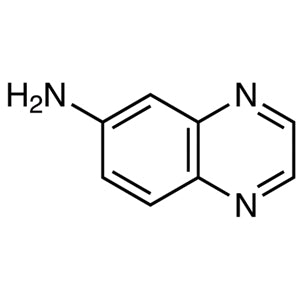
6-Aminoquinoxaline TCI A2490
Regular price From Rp 1.298.850,00Regular price -
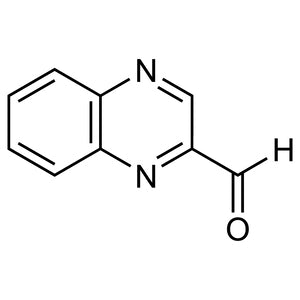
Quinoxaline-2-carbaldehyde TCI Q0121
Regular price From Rp 875.700,00Regular price -
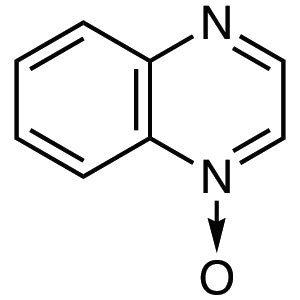
Quinoxaline1-Oxide TCI Q0108
Regular price From Rp 1.618.050,00Regular price -
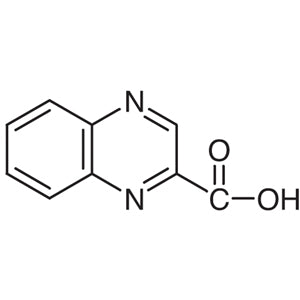
2-QuinoxalinecarboxylicAcid TCI Q0081
Regular price From Rp 610.050,00Regular price -
Quinoxaline TCI Q0020
Regular price Rp 1.538.250,00Regular price


![260-50-4 Benzo[g]quinoxaline - AMI Scientific](http://amiscientific.com/cdn/shop/files/TCI2510B4540.jpg?v=1767091332&width=533)