2-Quinoxalinecarboxylic Acid is a chemical compound widely used in organic reactions and the synthesis of heterocyclic compounds. It serves as a fundamental building block in laboratory settings, enabling the creation of complex molecules with aromatic and heterocyclic structures. This compound plays a crucial role in the development of substances with specific biological activities, making it an essential component in various research fields. Its versatility allows it to be employed in multiple chemical reactions, including substitution, condensation, and aromatic reactions, due to its molecular stability and reactivity.
The compound's consistent chemical and physical properties make it a preferred choice for organic chemistry and heterocyclic synthesis research. Its stable molecular structure ensures reliable performance in laboratory experiments, while its high reactivity supports a wide range of synthetic applications. These characteristics contribute to its popularity among researchers working on drug development, antioxidant compounds, and other bioactive substances. The compound’s predictable behavior and compatibility with various reaction conditions further enhance its utility in laboratory environments.
In Indonesian laboratories, 2-Quinoxalinecarboxylic Acid is commonly used in chemical, pharmaceutical, and biotechnology research. It is particularly relevant for studies involving the development of new drugs, antioxidants, and other bioactive compounds. Its presence in laboratory workflows highlights its importance in advancing scientific research and innovation in these fields. The compound is a key ingredient in the synthesis of heterocyclic compounds, supporting both academic and industrial research efforts.
- Heterocyclic Compound Synthesis: This item is ideal for creating complex aromatic and heterocyclic structures, which are essential in pharmaceutical and chemical research.
- Organic Reaction Development: Its reactivity and stability make it suitable for substitution, condensation, and aromatic reactions used in drug discovery and synthesis.
- Drug Development Research: The compound is frequently used in the synthesis of bioactive molecules, supporting the creation of new therapeutic agents.
- Antioxidant Compound Creation: Its chemical properties enable its use in the development of antioxidant materials, contributing to health and environmental research.
- Biotechnology Applications: It plays a role in the synthesis of compounds used in biotechnology, supporting advancements in bioactive and functional materials.
| Brand | TCI |
|---|---|
| CAS number | 879-65-2 |
| Molecular formula | — |
| Purity | — |
| Category | Chemistry > Building Blocks > Heterocyclic Building Blocks |
| Pack sizes | Available in standard laboratory quantities |
| Physical form | Solid |
| Storage | Store in a cool, dry place away from direct sunlight |
This compound should be stored in a cool, dry environment, away from direct sunlight and sources of heat. It is recommended to use airtight containers to prevent moisture absorption and maintain its chemical integrity. Due to its reactivity, it should be handled with care, using appropriate personal protective equipment such as gloves and safety goggles. It is important to ensure good ventilation in the laboratory when working with this material to minimize exposure. Proper labeling of storage containers is essential for safety and easy identification. Always follow standard laboratory safety protocols when handling and storing chemical substances.
—
Produk Terkait
-
Benzo[g]quinoxaline TCI B4540
Regular price Rp 2.016.000,00Regular price -
Quinoxaline1,4-Dioxide TCI Q0110
Regular price From Rp 2.359.350,00Regular price -
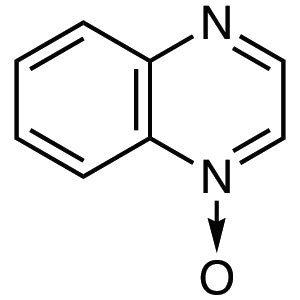
Quinoxaline1-Oxide TCI Q0108
Regular price From Rp 1.618.050,00Regular price -
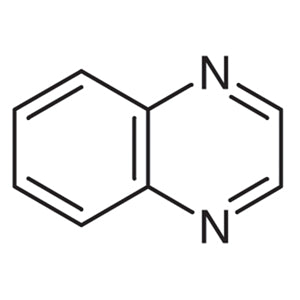
Quinoxaline TCI Q0020
Regular price Rp 1.538.250,00Regular price -
6H-Indolo[2,3-b]quinoxaline TCI I1098
Regular price Rp 1.803.900,00Regular price -
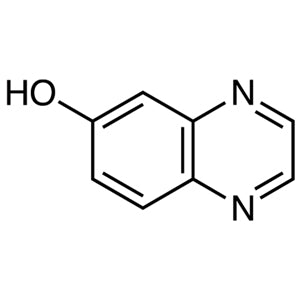
6-Quinoxalinol TCI Q0101
Regular price From Rp 2.704.800,00Regular price -
5-Quinoxalinol TCI Q0095
Regular price From Rp 717.150,00Regular price -
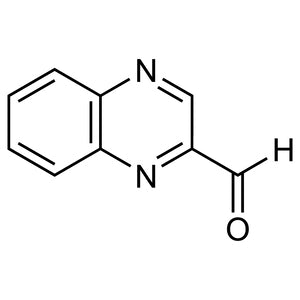
Quinoxaline-2-carbaldehyde TCI Q0121
Regular price From Rp 875.700,00Regular price
![260-50-4 Benzo[g]quinoxaline - AMI Scientific](http://amiscientific.com/cdn/shop/files/TCI2510B4540.jpg?v=1767091332&width=533)

![243-59-4 6H-Indolo[2,3-b]quinoxaline - AMI Scientific](http://amiscientific.com/cdn/shop/files/TCI2510I1098.jpg?v=1767120775&width=533)