Pentabromobenzyl Acrylate (PBA), with the CAS number 59447-55-1, is a chemical compound widely used in organic synthesis as a building block. It serves as a versatile reagent in laboratory settings, enabling the creation of complex organic molecules through various chemical reactions. Its molecular structure combines an acrylate group with a brominated benzene chain, offering multiple functional groups for chemical modification. This makes PBA a valuable tool in the development of polymers, resins, and specialized compounds with tailored properties.
PBA is known for its high reactivity and chemical stability, making it a preferred choice in synthetic chemistry. The compound exhibits strong reactivity due to the presence of the acrylate group, which is prone to polymerization and cross-linking reactions. Its brominated benzene moiety adds additional reactivity and allows for further functionalization. These properties make PBA suitable for use in both academic and industrial research, where precise chemical control is essential. The compound’s thermal stability ensures it remains effective under various experimental conditions.
In Indonesian laboratories, PBA is commonly used in organic chemistry research, material development, and industrial applications that require compounds with specific chemical properties. Its versatility and reactivity make it a go-to reagent for chemists working on polymer synthesis, functional group modification, and the creation of advanced materials. Researchers in Indonesia rely on PBA for its reliability and effectiveness in producing complex chemical structures.
TCI brochures (PDF)
- Monomers 2025-05-28 · p. 4
Related TCI products
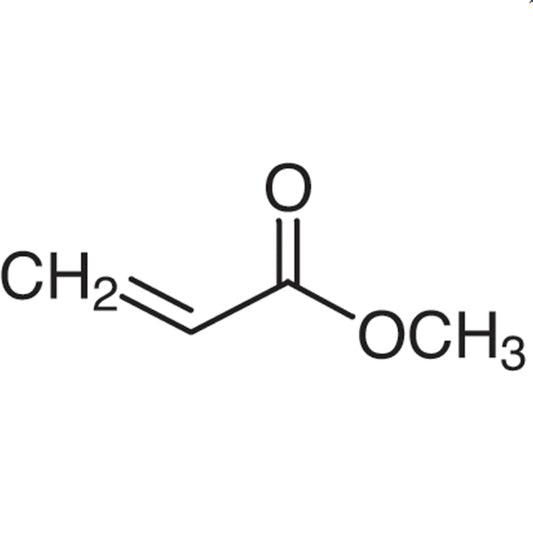
- TCI A0145 96-33-3 Methyl Acrylate (stabilized with MEHQ)
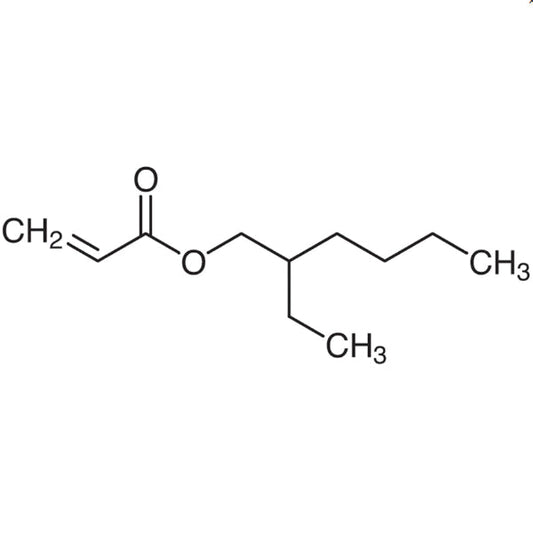
- TCI A0144 103-11-7 2-Ethylhexyl Acrylate Monomer (stabilized with MEHQ)
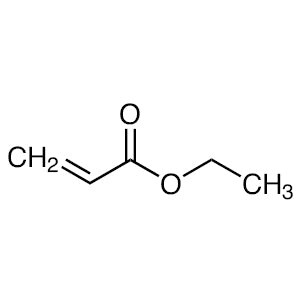
- TCI A0143 140-88-5 Ethyl Acrylate (stabilized with MEHQ)
- TCI A0142 141-32-2 Butyl Acrylate (stabilized with MEHQ)
- TCI U0117 31098-20-1 3-Sulfopropyl Acrylate Potassium Salt
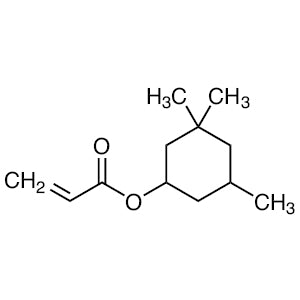
- TCI T3984 86178-38-3 3,3,5-Trimethylcyclohexyl Acrylate (cis- and trans- mixture) (stabilized with MEHQ)
- Organic synthesis for creating complex molecules due to its reactive acrylate and brominated benzene groups.
- Polymer and resin development because of its ability to undergo polymerization and cross-linking reactions.
- Functional group modification in synthetic chemistry to tailor molecular properties for specific applications.
- Material science research for developing advanced materials with desired chemical and physical characteristics.
- Industrial applications requiring compounds with specific reactivity and stability for specialized chemical processes.
| Brand | TCI |
|---|---|
| CAS number | 59447-55-1 |
| Molecular formula | — |
| Purity | — |
| Category | Chemistry > Building Blocks > Non-Heterocyclic Building Blocks |
| Pack sizes | Available in various quantities as per supplier specifications |
| Physical form | Liquid |
| Storage | Store in a cool, dry place away from direct sunlight and incompatible substances |
Pentabromobenzyl Acrylate should be stored in a cool, dry environment, away from direct sunlight and sources of heat. It is recommended to keep the compound in a sealed container to prevent exposure to moisture and air. Due to its reactivity, it should be stored separately from strong oxidizing agents and incompatible materials. Proper ventilation is essential when handling the compound to minimize inhalation risks. Laboratory personnel should wear appropriate personal protective equipment, including gloves and safety goggles, when working with PBA. The compound should not be disposed of in drains or landfills without proper chemical waste treatment procedures.
—
Produk Terkait
-
MethylAcrylate(stabilizedwithMEHQ) TCI A0145
Regular price Rp 477.750,00Regular priceRp 333.900,00Sale price Rp 477.750,00 -
2-EthylhexylAcrylateMonomer(stabilizedwithMEHQ) TCI A0144
Regular price Rp 505.050,00Regular priceRp 352.800,00Sale price Rp 505.050,00 -
EthylAcrylate(stabilizedwithMEHQ) TCI A0143
Regular price Rp 477.750,00Regular priceRp 333.900,00Sale price Rp 477.750,00 -
ButylAcrylate(stabilizedwithMEHQ) TCI A0142
Regular price Rp 505.050,00Regular priceRp 352.800,00Sale price Rp 505.050,00 -
3-SulfopropylAcrylatePotassiumSalt TCI U0117
Regular price Rp 1.565.550,00Regular priceRp 1.094.100,00Sale price Rp 1.565.550,00 -
3,3,5-TrimethylcyclohexylAcrylate(cis-andtrans-mixture)(stabilizedwithMEHQ) TCI T3984
Regular price Rp 1.510.950,00Regular priceRp 1.056.300,00Sale price Rp 1.510.950,00 -
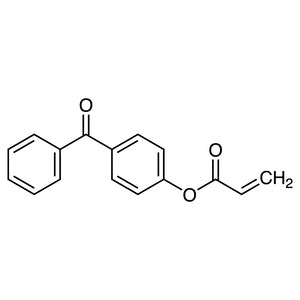
4-BenzoylphenylAcrylate TCI A3715
Regular price Rp 1.590.750,00Regular priceRp 1.111.950,00Sale price Rp 1.590.750,00 -
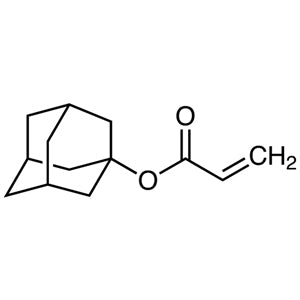
Adamantan-1-ylAcrylate(stabilizedwithBHT) TCI A1735
Regular price Rp 2.174.550,00Regular priceRp 1.520.400,00Sale price Rp 2.174.550,00