Pisiferic Acid from TCI (product code P1933) is a naturally occurring diterpene built on an abietane skeleton. It was first identified in Chamaecyparis pisifera, a Japanese cypress, and belongs to a group of terpenoids that researchers study widely for their biological activity. Its phenolic abietane structure carries a carboxylic acid group. In the laboratory, Pisiferic Acid is used as a standard compound in natural product chemistry, as a test material in bioactivity assays, and as a reference compound in terpenoid research.
Researchers are interested in Pisiferic Acid because published studies report antimicrobial activity, particularly against certain bacteria, along with other possible biological activities that are still being investigated. Because its abietane diterpene framework carries both a phenol group and a carboxylic acid group, it is a useful model for structure-activity relationship studies and for semisynthetic modification. Isolating the compound from plants takes considerable time and a large amount of raw material. A pure standard from TCI therefore gives researchers a dependable reference for identification and quantification, without the work of extracting and purifying it themselves.
Indonesia has exceptionally rich biodiversity, so Pisiferic Acid is relevant to pharmacognosy laboratories, natural product chemistry groups, and university research teams that study terpenoids from plants. These laboratories often screen extracts for antimicrobial or other bioactive compounds and need reliable reference standards to compare against their isolates. Pisiferic Acid can support comparative chromatographic work, assay validation, and teaching or thesis projects on diterpenoids. This helps Indonesian researchers produce results that are reproducible and comparable with international literature.
- Natural product chemistry standard: serves as a pure reference compound for identifying and comparing abietane diterpenes isolated from plant extracts in phytochemical investigations.
- Antimicrobial bioactivity testing: suits screening assays because scientific reports describe its antimicrobial activity, especially against certain bacteria, making it a meaningful test or comparison compound.
- Structure-activity relationship studies: its abietane framework with phenol and carboxylic acid groups gives a well-defined model for exploring how structural features influence biological activity.
- Semisynthetic modification research: the functional groups on the diterpene skeleton offer starting points for chemists preparing derivatives to explore new or improved biological properties.
- Identification and quantification in terpenoid research: a commercially available pure standard spares researchers the slow, material-intensive isolation from plants and supports reliable analytical comparison.
| Brand | TCI (product code P1933) |
|---|---|
| CAS number | 67494-15-9 |
| Molecular formula | — |
| Purity | — |
| Category | Life Science > Biochemicals and Reagents > Terpenes |
| Pack sizes | Available in TCI's standard pack sizes; please confirm the current options when ordering |
| Physical form | — |
| Storage | Follow the storage conditions on the TCI label and Safety Data Sheet |
- Compound class: Abietane-type phenolic diterpene with a carboxylic acid group
Store Pisiferic Acid in its original, tightly sealed TCI container under the conditions printed on the label and in the Safety Data Sheet. In general, keep it in a cool, dry place away from direct light, moisture, heat sources, and incompatible substances such as strong oxidizing agents. Reseal the container promptly after each use so the reference material stays intact. Handle the compound in a well-ventilated area or fume hood, and wear suitable personal protective equipment, including gloves, safety glasses, and a lab coat. Avoid inhaling dust or letting it contact skin and eyes. Use clean, dry tools when weighing, label any prepared solutions clearly, and dispose of waste according to institutional and local regulations.
—
Produk Terkait
-
TCI B5774 5,10-Bis(4,4,5,5-tetramethyl-1,3,2-dioxaborolan-2-yl)naphtho[1,2-c:5,6-c']bis([1,2,5]oxadiazole)
Regular price Rp 10.255.350,00Regular price -
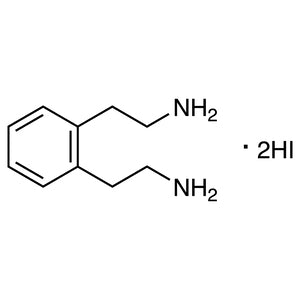
Dihydroiodide TCI B6569
Regular price From Rp 1.936.200,00Regular price -
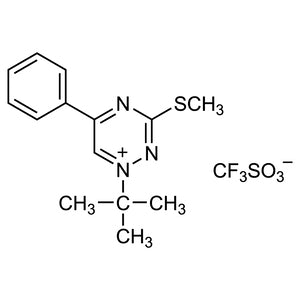
Trifluoromethanesulfonate TCI B7003
Regular price From Rp 1.936.200,00Regular price
![5,10-Bis(4,4,5,5-tetramethyl-1,3,2-dioxaborolan-2-yl)naphtho[1,2-c:5,6-c']bis([1,2,5]oxadiazole) - TCI B5774 - AMI Scientific](http://amiscientific.com/cdn/shop/files/TCI2510B5774.jpg?v=1769180228&width=533)