TCI P2004, with CAS number 250220-36-1, is a specialized chemical compound used as a catalyst in various chemical reactions, particularly in the field of catalysis and inorganic chemistry. This compound is designed for use in olefin metathesis reactions, where it facilitates the rearrangement of carbon-carbon double bonds. Its unique structure includes a ruthenium(II) center coordinated with two tricyclohexylphosphine ligands and a phenyl-indenylidene group, making it highly effective in promoting complex organic transformations. Due to its catalytic properties, it is a valuable tool for chemists working on synthetic routes that require high efficiency and selectivity.
The compound is preferred for its stability under controlled laboratory conditions and its ability to function across a range of reaction environments. Its catalytic activity is not consumed during the reaction, allowing for reuse in multiple cycles. This makes it an economical and efficient choice for laboratory applications. The compound is also known for its controlled reactivity, which ensures predictable outcomes in chemical processes. These properties make it a reliable and consistent material for use in both academic and industrial research settings.
In Indonesian laboratories, TCI P2004 is widely used in organic chemistry and catalysis research. It supports the development of new synthetic methodologies and is particularly relevant for studies involving olefin metathesis. Its application is common in universities and research institutions where advanced chemical reactions are being explored. The compound's reliability and effectiveness make it a preferred choice for researchers aiming to achieve precise and reproducible results in their experiments.
TCI brochures (PDF)
- Metathesis Reaction Reagents 2025-04-28 · p. 2
- Transition Metal Catalysts 2026-04-10 · p. 8
Related TCI products
- TCI B3067 132071-87-5 [(R)-2,2'-Bis(diphenylphosphino)-1,1'-binaphthyl]ruthenium(II) Dichloride
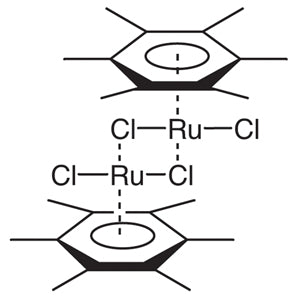
- TCI H1010 67421-02-7 (Hexamethylbenzene)ruthenium(II) Dichloride Dimer
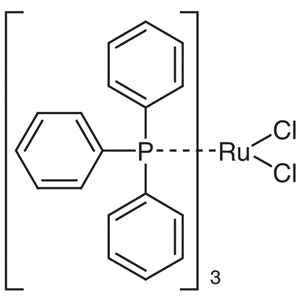
- TCI D1997 15529-49-4 Tris(triphenylphosphine)ruthenium(II) Dichloride
- TCI T3902 304695-79-2 Dichlorotris(1,10-phenanthroline)ruthenium(II) Monohydrate
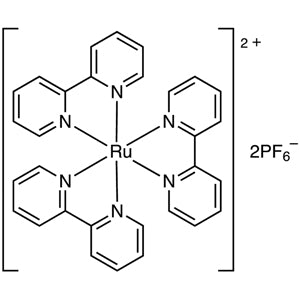
- TCI T3435 60804-74-2 Tris(2,2'-bipyridine)ruthenium(II) Bis(hexafluorophosphate)
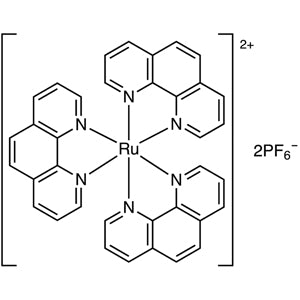
- TCI T3208 60804-75-3 Tris(1,10-phenanthroline)ruthenium(II) Bis(hexafluorophosphate)
- Olefin Metathesis Reactions: TCI P2004 is ideal for these reactions due to its ability to facilitate the rearrangement of carbon-carbon double bonds with high efficiency and selectivity.
- Organic Synthesis: The compound is widely used in the synthesis of complex organic molecules, where it helps in achieving desired structural transformations with minimal side reactions.
- Catalytic Studies: Its stable catalytic activity makes it suitable for long-term studies on catalytic mechanisms and reaction pathways.
- Industrial Chemical Processes: The compound is used in industrial settings where controlled and efficient catalytic reactions are required for large-scale production.
- Research and Development: It is a key component in R&D projects focused on developing new chemical processes and materials with enhanced properties.
From the TCI brochure
- Metathesis of a diene to a cyclic olefin (scheme shown)
| Brand | TCI |
|---|---|
| CAS number | 250220-36-1 |
| Molecular formula | — |
| Purity | — |
| Category | Chemistry > Catalysis and Inorganic Chemistry > Olefin Metathesis [Catalysis] |
| Pack sizes | Available in various quantities as per standard laboratory requirements |
| Physical form | Solid powder (as per standard product description) |
| Storage | Store in a cool, dry place away from moisture and direct sunlight |
Data from the TCI brochure
| Kemasan | 1 g |
|---|
Source: TCI brochure RR023 (2025-04-28)
TCI P2004 should be stored in a cool, dry environment to maintain its stability and effectiveness. It is recommended to keep the compound in a sealed container to prevent exposure to moisture and air. The container should be made of a material that is chemically inert to avoid any unwanted reactions. Due to its catalytic nature, it is important to handle the compound with care to prevent contamination. Proper labeling and storage conditions are essential to ensure the compound remains viable for use in laboratory experiments. Always follow standard safety protocols when handling chemical catalysts to ensure a safe working environment.
—
Produk Terkait
-
[(R)-2,2'-Bis(diphenylphosphino)-1,1'-binaphthyl]ruthenium(II)Dichloride TCI B3067
Regular price Rp 5.432.700,00Regular price -
(Hexamethylbenzene)ruthenium(II)DichlorideDimer TCI H1010
Regular price Rp 7.950.600,00Regular price -
Tris(triphenylphosphine)ruthenium(II)Dichloride TCI D1997
Regular price From Rp 1.193.850,00Regular price -
Dichlorotris(1,10-phenanthroline)ruthenium(II)Monohydrate TCI T3902
Regular price Rp 5.194.350,00Regular price -
Tris(2,2'-bipyridine)ruthenium(II)Bis(hexafluorophosphate) TCI T3435
Regular price Rp 4.081.350,00Regular price -
Tris(1,10-phenanthroline)ruthenium(II)Bis(hexafluorophosphate) TCI T3208
Regular price From Rp 1.829.100,00Regular price -
Tris(2,4-pentanedionato)ruthenium(III) TCI T2183
Regular price From Rp 2.359.350,00Regular price -
Tris(2,2'-bipyridyl)ruthenium(II)ChlorideHexahydrate TCI T1655
Regular price From Rp 2.782.500,00Regular price
![132071-87-5 [(R)-2,2'-Bis(diphenylphosphino)-1,1'-binaphthyl]ruthenium(II) Dichloride - AMI Scientific](http://amiscientific.com/cdn/shop/files/TCI2510B3067.jpg?v=1767089302&width=533)