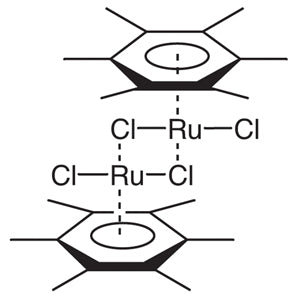
Hexamethylbenzene ruthenium(II) dichloride dimer is a chemical compound widely used in C-H activation reactions within the field of catalysis and inorganic chemistry. This material serves as a catalyst in various chemical reactions that require the activation of carbon-hydrogen bonds. Its role in the laboratory is to facilitate complex chemical transformations by introducing reactivity to otherwise inert carbon atoms. This compound is particularly valuable in synthetic chemistry where precise control over reaction pathways is essential. Its unique properties make it an indispensable tool for researchers working on advanced catalytic systems.
The compound is preferred due to its high specificity and efficiency as a catalyst. Its complex chemical structure enables unique interactions with substrates, enhancing reaction efficiency and selectivity. It exhibits good chemical stability under certain conditions, making it reliable for use in demanding laboratory environments. These properties contribute to its effectiveness in a wide range of applications, including the synthesis of complex organic and inorganic compounds. Its ability to function under controlled conditions ensures consistent results in experimental setups.
In Indonesian laboratories, this compound is commonly used in organic and inorganic chemistry research. Researchers in educational institutions and research organizations frequently utilize it for experiments involving C-H activation, such as the synthesis of complex molecules or molecular modifications. Its application is particularly relevant in studies focused on catalytic processes and advanced chemical transformations. The compound plays a vital role in advancing chemical research in Indonesia.
TCI brochures (PDF)
- C-H Bond Activation Reaction 2025-06-20 · p. 6
- Transition Metal Catalysts 2026-04-10 · p. 8
Related TCI products
- TCI D2751 52462-29-0 Dichloro(p-cymene)ruthenium(II) Dimer
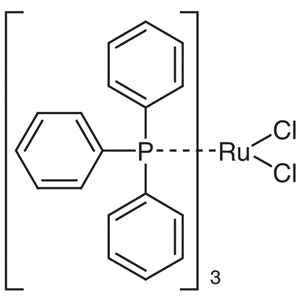
- TCI D1997 15529-49-4 Tris(triphenylphosphine)ruthenium(II) Dichloride
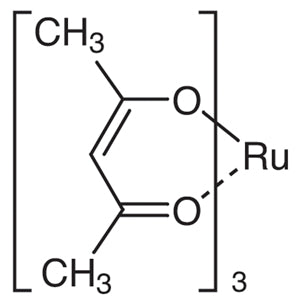
- TCI T2183 14284-93-6 Tris(2,4-pentanedionato)ruthenium(III)
- TCI R0074 14898-67-0 Ruthenium(III) Chloride Hydrate
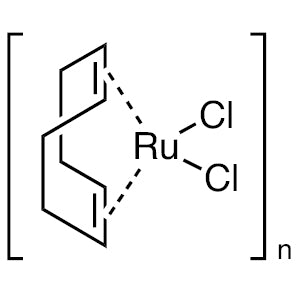
- TCI D4792 50982-12-2 Dichloro(1,5-cyclooctadiene)ruthenium(II) Polymer
- TCI C3668 2058252-91-6 Chloro(p-cymene)[2-[(di-tert-butylphosphino)methyl]pyridine]ruthenium(II) Triflate
- C-H Activation Reactions: This compound is ideal for activating carbon-hydrogen bonds, enabling the synthesis of complex organic molecules with high selectivity.
- Organic Synthesis: It supports the development of new compounds by facilitating reactions that require precise control over bond activation and reactivity.
- Inorganic Chemistry Research: Its use in inorganic systems allows for the exploration of novel catalytic mechanisms and reaction pathways.
- Catalytic Process Development: It is a preferred choice for designing and testing new catalytic systems that enhance reaction efficiency.
- Molecular Modification Studies: It enables the modification of organic molecules by introducing reactivity to otherwise inert carbon atoms.
| Brand | TCI |
|---|---|
| CAS number | 67421-02-7 |
| Molecular formula | — |
| Purity | — |
| Category | Chemistry > Catalysis and Inorganic Chemistry > C-H Activation [Catalysis] |
| Pack sizes | Available in various quantities as per standard laboratory supply |
| Physical form | Solid |
| Storage | Store in a cool, dry place away from moisture and direct sunlight |
This compound should be stored in a cool, dry place, away from moisture and direct sunlight to maintain its chemical stability. It is recommended to use airtight containers to prevent exposure to air and humidity. Laboratory personnel should handle the material with care, using appropriate personal protective equipment such as gloves and safety goggles. Due to its chemical nature, it should be kept in a secure location that is inaccessible to unauthorized individuals. Proper labeling of storage containers is essential to ensure safe handling and prevent accidental exposure. Regular monitoring of storage conditions helps maintain the integrity and effectiveness of the compound in laboratory applications.
—
Produk Terkait
-
Dichloro(p-cymene)ruthenium(II)Dimer TCI D2751
Regular price Rp 1.565.550,00Regular price -
Tris(triphenylphosphine)ruthenium(II)Dichloride TCI D1997
Regular price From Rp 1.193.850,00Regular price -
Tris(2,4-pentanedionato)ruthenium(III) TCI T2183
Regular price From Rp 2.359.350,00Regular price -
Ruthenium(III)ChlorideHydrate TCI R0074
Regular price From Rp 1.618.050,00Regular price -
Dichloro(1,5-cyclooctadiene)ruthenium(II)Polymer TCI D4792
Regular price From Rp 3.710.700,00Regular price -
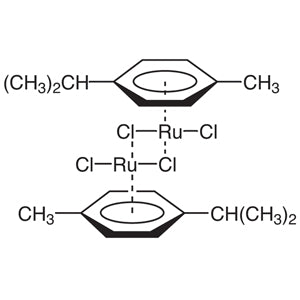
Chloro(p-cymene)[2-[(di-tert-butylphosphino)methyl]pyridine]ruthenium(II)Triflate TCI C3668
Regular price Rp 2.094.750,00Regular price -
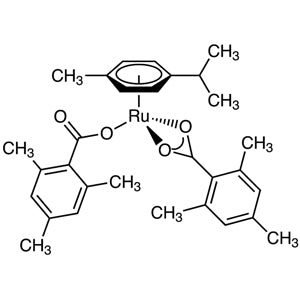
(p-Cymene)bis(mesitylcarboxylato)ruthenium(II) TCI C3456
Regular price Rp 4.771.200,00Regular price -
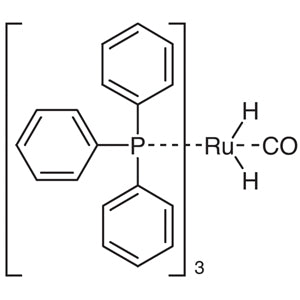
Carbonyl(dihydrido)tris(triphenylphosphine)ruthenium(II) TCI C2251
Regular price From Rp 1.458.450,00Regular price

![Chloro(p-cymene)[2-[(di-tert-butylphosphino)methyl]pyridine]ruthenium(II) Triflate (CAS 2058252-91-6) - TCI C3668 - AMI Scientific](http://amiscientific.com/cdn/shop/files/TCI2510C3668.jpg?v=1767099897&width=533)