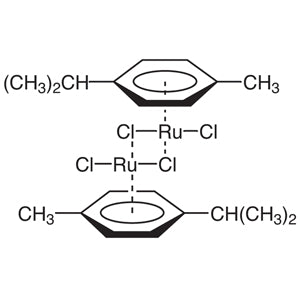
TCI D2751 52462-29-0 Dichloro(p-cymene)ruthenium(II) Dimer is a specialized chemical compound used in catalytic reactions, particularly in C-H activation processes. This compound plays a crucial role in modern laboratory settings by enabling the selective activation of carbon-hydrogen bonds, which is essential for a wide range of synthetic transformations. As a key component in catalysis, it facilitates the transformation of complex organic substrates with high efficiency and selectivity. Its unique structure allows for strong interactions with various organic ligands, making it a versatile tool for chemists working in both inorganic and organic chemistry.
The compound is known for its chemical stability under controlled conditions, which ensures consistent performance in laboratory applications. However, it is sensitive to moisture and oxidation, requiring careful handling and storage. Its ability to form stable complexes with a variety of ligands enhances its utility in catalytic systems. This flexibility allows it to be adapted to different reaction conditions and substrates, making it a preferred choice for researchers seeking reliable and efficient catalytic solutions.
In Indonesian laboratories, this compound is widely used in organic and inorganic chemistry research, especially in fields requiring C-H activation. Its availability and effectiveness make it a go-to material for scientists working on catalytic processes. It is particularly favored for its ability to accelerate reactions without altering the structural integrity of the substrates involved. Its role in advancing chemical research in Indonesia is significant, supporting the development of new synthetic methodologies and catalytic systems.
TCI brochures (PDF)
- C-H Bond Activation Reaction 2025-06-20 · p. 6
- Transition Metal Catalysts 2026-04-10 · p. 8
Related TCI products
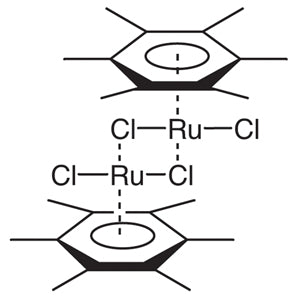
- TCI H1010 67421-02-7 (Hexamethylbenzene)ruthenium(II) Dichloride Dimer
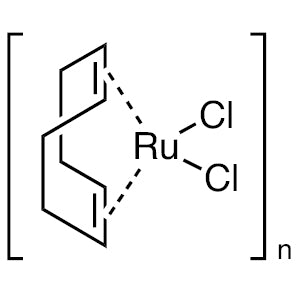
- TCI D4792 50982-12-2 Dichloro(1,5-cyclooctadiene)ruthenium(II) Polymer
- TCI C3668 2058252-91-6 Chloro(p-cymene)[2-[(di-tert-butylphosphino)methyl]pyridine]ruthenium(II) Triflate
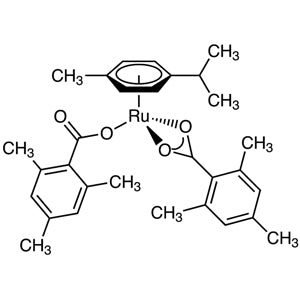
- TCI C3456 1251667-99-8 (p-Cymene)bis(mesitylcarboxylato)ruthenium(II)
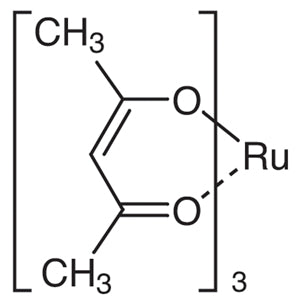
- TCI T2183 14284-93-6 Tris(2,4-pentanedionato)ruthenium(III)
- TCI R0074 14898-67-0 Ruthenium(III) Chloride Hydrate
- C-H Activation Reactions: This compound is ideal for C-H activation due to its ability to selectively activate carbon-hydrogen bonds, enabling the synthesis of complex organic molecules with high efficiency.
- Organic Synthesis: It is commonly used in organic synthesis to facilitate the formation of new chemical bonds, especially in reactions that require precise control over reaction conditions.
- Catalytic Substitution Reactions: Its capacity to bind with various organic ligands makes it suitable for substitution reactions where selectivity and reactivity are critical factors.
- Inorganic Chemistry Research: It is employed in inorganic chemistry studies to explore the behavior of transition metal complexes and their reactivity in different environments.
- Green Chemistry Initiatives: Its efficiency in catalytic processes reduces the need for excess reagents, aligning with the principles of sustainable and environmentally friendly chemical practices.
| Brand | TCI |
|---|---|
| CAS number | 52462-29-0 |
| Molecular formula | — |
| Purity | — |
| Category | Chemistry > Catalysis and Inorganic Chemistry > C-H Activation [Catalysis] |
| Pack sizes | As per supplier specifications |
| Physical form | Solid (as per standard product description) |
| Storage | Store in a dry, cool, and dark place away from moisture and oxidizing agents |
This compound should be stored in a dry, cool, and dark environment to prevent degradation due to moisture and oxidation. It is recommended to use airtight containers made of materials that do not react with the compound, such as glass or high-density polyethylene. Laboratory personnel should wear appropriate personal protective equipment, including gloves and safety goggles, when handling the material. It should be kept away from incompatible substances like strong oxidizers and moisture-sensitive materials. Proper ventilation should be maintained in the workspace to minimize exposure to any potential vapors. Regular inspection of storage conditions is advised to ensure the material remains in optimal condition for use in catalytic applications.
—
Produk Terkait
-
(Hexamethylbenzene)ruthenium(II)DichlorideDimer TCI H1010
Regular price Rp 7.950.600,00Regular price -
Dichloro(1,5-cyclooctadiene)ruthenium(II)Polymer TCI D4792
Regular price From Rp 3.710.700,00Regular price -
Chloro(p-cymene)[2-[(di-tert-butylphosphino)methyl]pyridine]ruthenium(II)Triflate TCI C3668
Regular price Rp 2.094.750,00Regular price -
(p-Cymene)bis(mesitylcarboxylato)ruthenium(II) TCI C3456
Regular price Rp 4.771.200,00Regular price -
Tris(2,4-pentanedionato)ruthenium(III) TCI T2183
Regular price From Rp 2.359.350,00Regular price -
Ruthenium(III)ChlorideHydrate TCI R0074
Regular price From Rp 1.618.050,00Regular price -
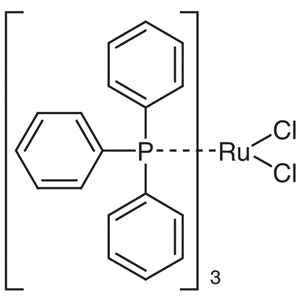
Tris(triphenylphosphine)ruthenium(II)Dichloride TCI D1997
Regular price From Rp 1.193.850,00Regular price -
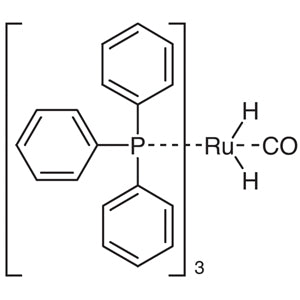
Carbonyl(dihydrido)tris(triphenylphosphine)ruthenium(II) TCI C2251
Regular price From Rp 1.458.450,00Regular price
![Chloro(p-cymene)[2-[(di-tert-butylphosphino)methyl]pyridine]ruthenium(II) Triflate (CAS 2058252-91-6) - TCI C3668 - AMI Scientific](http://amiscientific.com/cdn/shop/files/TCI2510C3668.jpg?v=1767099897&width=533)