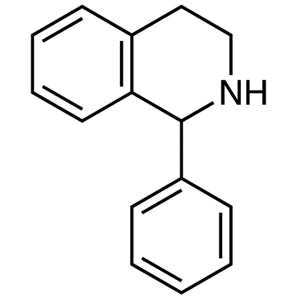
1-Phenyl-1,2,3,4-tetrahydroisoquinoline is a chemical compound classified under the heterocyclic category, commonly used in laboratory settings for the synthesis of complex molecules. As a building block in organic chemistry, it serves as a foundational material for creating compounds with specific biological activities. Its versatility makes it an essential component in both academic and industrial research environments. This compound is widely utilized in pharmaceutical development and organic synthesis due to its structural adaptability and reactivity.
The compound's stable molecular structure and high reactivity make it a preferred choice for chemical reactions requiring substitution or modification at specific positions. Its ability to participate in nucleophilic, electrophilic, and redox reactions enhances its applicability in various synthetic pathways. The consistent chemical properties of 1-Phenyl-1,2,3,4-tetrahydroisoquinoline allow researchers to predict and control reaction outcomes effectively. This reliability is crucial for maintaining the accuracy and reproducibility of experimental results.
In Indonesian laboratories, this compound is frequently used in research related to organic chemistry, pharmacology, and biochemistry. It supports the development of new drugs and the study of molecular interactions. Researchers in educational and research institutions rely on its predictable behavior and compatibility with various reaction conditions. Its role in advancing scientific knowledge and innovation makes it a valuable resource in the Indonesian scientific community.
Related TCI products
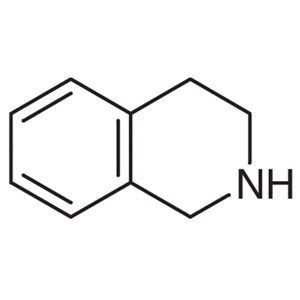
- TCI T1676 91-21-4 1,2,3,4-Tetrahydroisoquinoline
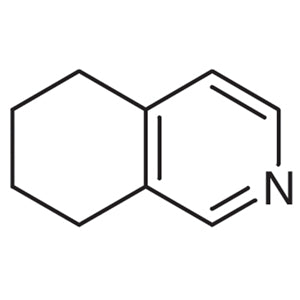
- TCI T1230 36556-06-6 5,6,7,8-Tetrahydroisoquinoline
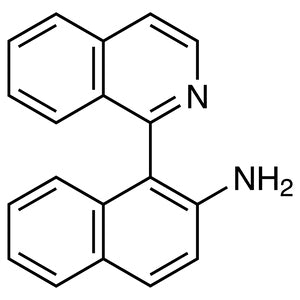
- TCI A2221 664302-70-9 1-(2-Amino-1-naphthyl)isoquinoline
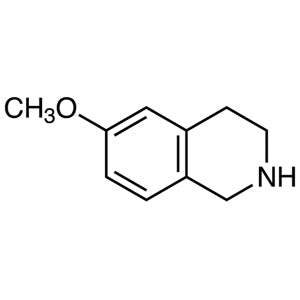
- TCI M2781 42923-77-3 6-Methoxy-1,2,3,4-tetrahydroisoquinoline
- TCI I1246 6624-49-3 Isoquinoline-3-carboxylic Acid
- TCI I0942 80278-67-7 Isoquinoline-5-carboxaldehyde
- Organic Synthesis: This compound is widely used in the synthesis of complex organic molecules due to its versatile structure and reactivity.
- Pharmaceutical Development: It serves as a building block for the creation of compounds with potential therapeutic applications in drug discovery.
- Biochemical Research: The compound is employed in studies involving molecular interactions and biological activity assessments.
- Academic Research: It is a key material in teaching and research settings, supporting both theoretical and experimental studies.
- Industrial Chemistry: Its use extends to the development of new chemical products and materials in industrial laboratories.
| Brand | TCI |
|---|---|
| CAS number | 22990-19-8 |
| Molecular formula | — |
| Purity | — |
| Category | Chemistry > Building Blocks > Heterocyclic Building Blocks |
| Pack sizes | Available in various quantities as per supplier specifications |
| Physical form | Solid or liquid, depending on the specific product variant |
| Storage | Store in a cool, dry place away from direct sunlight and moisture |
This compound should be stored in a cool, dry environment, away from direct sunlight and moisture to maintain its stability. It is recommended to use airtight containers to prevent exposure to air and humidity. Proper labeling of storage containers is essential for safety and traceability. In laboratory settings, it should be handled with appropriate personal protective equipment to minimize exposure. Regular monitoring of storage conditions ensures the compound remains in optimal condition for use. Adherence to standard laboratory safety protocols is crucial when working with this material to prevent any potential hazards.
—
Produk Terkait
-
1,2,3,4-Tetrahydroisoquinoline TCI T1676
Regular price From Rp 1.298.850,00Regular price -
5,6,7,8-Tetrahydroisoquinoline TCI T1230
Regular price Rp 2.942.100,00Regular price -
1-(2-Amino-1-naphthyl)isoquinoline TCI A2221
Regular price Rp 7.446.600,00Regular price -
6-Methoxy-1,2,3,4-tetrahydroisoquinoline TCI M2781
Regular price Rp 2.969.400,00Regular price -
Isoquinoline-3-carboxylicAcid TCI I1246
Regular price From Rp 2.809.800,00Regular price -
Isoquinoline-5-carboxaldehyde TCI I0942
Regular price From Rp 3.790.500,00Regular price -
Isoquinoline-1-carboxylicAcid TCI I0671
Regular price From Rp 1.590.750,00Regular price -
IsoquinolineN-Oxide TCI I0540
Regular price Rp 2.650.200,00Regular price