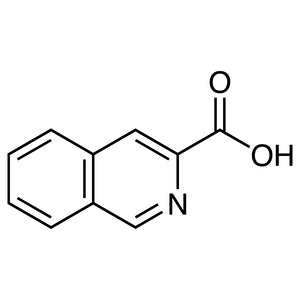
Isoquinoline-3-carboxylic acid is a chemical compound widely used in laboratory settings for the synthesis of complex organic molecules. As a heterocyclic building block, it plays a crucial role in the development of various chemical structures by serving as a versatile starting material for substitution, coupling, and structural modification reactions. Its presence in the chemical toolbox of researchers allows for the creation of diverse compounds, making it an essential reagent in synthetic chemistry. This compound is particularly valued for its ability to participate in multiple reaction pathways, enabling the exploration of new chemical functionalities and molecular architectures.
One of the key attributes that make isoquinoline-3-carboxylic acid a preferred choice is its chemical stability under controlled conditions, which facilitates efficient synthesis and manipulation of molecular structures. Additionally, its good solubility in organic solvents enhances its usability in a wide range of chemical processes, including dissolution and reaction mechanisms. The compound’s ability to form stable intermediates and its compatibility with various functional groups further contribute to its popularity among chemists. These properties make it a reliable and effective reagent in both academic and industrial research environments.
In Indonesian laboratories, isoquinoline-3-carboxylic acid is commonly used in scientific research, pharmaceutical development, and the production of industrial chemicals. Its availability in various packaging formats and ease of handling make it a practical choice for researchers. The compound’s versatility and reliability have established it as a standard component in the chemical supply chain, supporting a broad spectrum of experimental and industrial applications.
Related TCI products
- TCI I0671 486-73-7 Isoquinoline-1-carboxylic Acid
- TCI I0509 203626-75-9 Isoquinoline-3-carboxylic Acid Monohydrate
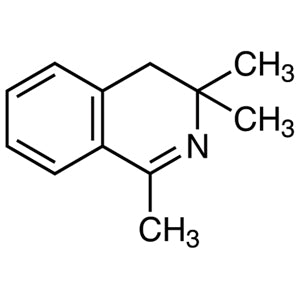
- TCI T3060 79023-51-1 1,3,3-Trimethyl-3,4-dihydroisoquinoline
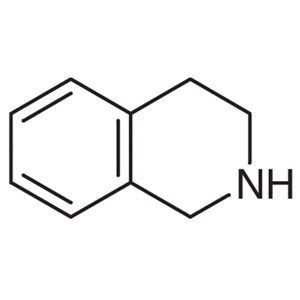
- TCI T1676 91-21-4 1,2,3,4-Tetrahydroisoquinoline
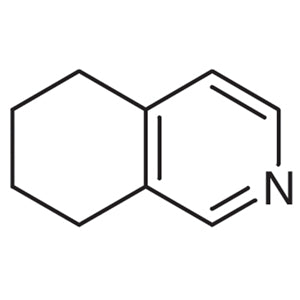
- TCI T1230 36556-06-6 5,6,7,8-Tetrahydroisoquinoline
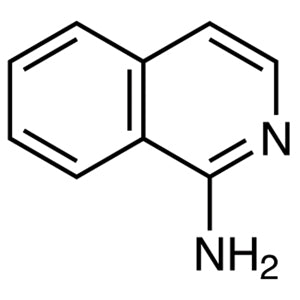
- TCI A2817 1532-84-9 1-Aminoisoquinoline
- Pharmaceutical research utilizes isoquinoline-3-carboxylic acid for the development of new drug compounds due to its structural versatility and reactivity in organic synthesis.
- Organic chemistry experiments benefit from this compound as a building block for the synthesis of complex heterocyclic molecules, enabling the exploration of new chemical functionalities.
- Industrial chemical production relies on this reagent for the creation of specialty chemicals, where its stability and solubility properties support efficient manufacturing processes.
- Analytical chemistry applications employ this compound as a standard reference material for the calibration of analytical instruments and the validation of chemical methods.
- Environmental studies incorporate isoquinoline-3-carboxylic acid to investigate the behavior of organic pollutants in various environmental matrices, aiding in the assessment of chemical fate and toxicity.
| Brand | TCI |
|---|---|
| CAS number | 6624-49-3 |
| Molecular formula | — |
| Purity | — |
| Category | Chemistry > Building Blocks > Heterocyclic Building Blocks |
| Pack sizes | Available in multiple packaging formats to suit different laboratory needs |
| Physical form | Solid, typically in crystalline or powder form |
| Storage | — |
Isoquinoline-3-carboxylic acid should be stored in a cool, dry, and well-ventilated area away from direct sunlight and sources of heat. It is recommended to keep the compound in a sealed container to prevent moisture absorption and contamination. The material is generally stable under normal laboratory conditions but should be handled with care to avoid exposure to incompatible substances. Proper labeling and storage in a designated chemical storage cabinet are essential for safety and compliance. Laboratory personnel should wear appropriate personal protective equipment, such as gloves and safety goggles, when handling this compound to ensure safe working practices.
—
Produk Terkait
-
Isoquinoline-1-carboxylicAcid TCI I0671
Regular price From Rp 1.590.750,00Regular price -
Isoquinoline-3-carboxylicAcidMonohydrate TCI I0509
Regular price From Rp 2.068.500,00Regular price -
1,3,3-Trimethyl-3,4-dihydroisoquinoline TCI T3060
Regular price Rp 2.650.200,00Regular price -
1,2,3,4-Tetrahydroisoquinoline TCI T1676
Regular price From Rp 1.298.850,00Regular price -
5,6,7,8-Tetrahydroisoquinoline TCI T1230
Regular price Rp 2.942.100,00Regular price -
1-Aminoisoquinoline TCI A2817
Regular price From Rp 1.829.100,00Regular price -
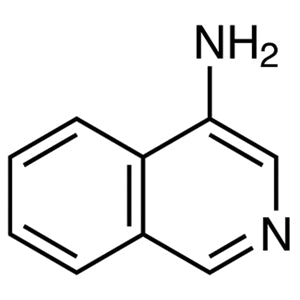
4-Aminoisoquinoline TCI A2595
Regular price From Rp 1.431.150,00Regular price -
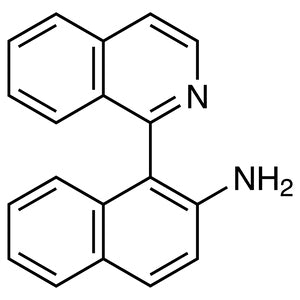
1-(2-Amino-1-naphthyl)isoquinoline TCI A2221
Regular price Rp 7.446.600,00Regular price