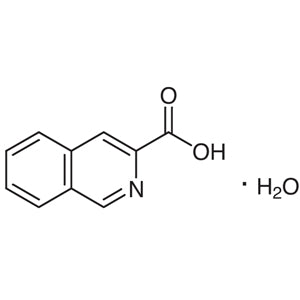
Isoquinoline-3-carboxylic Acid Monohydrate is a chemical compound widely used in organic synthesis reactions within laboratory settings. This compound is a heterocyclic building block that contains an aromatic ring and a carboxylic acid group, making it a versatile reagent in the creation of complex organic molecules. Its structural complexity and functional groups enable it to participate in a variety of chemical transformations, which makes it a valuable resource for researchers in various scientific disciplines. In the context of Indonesian laboratories, this compound is particularly relevant for studies involving pharmaceutical development and chemical synthesis.
The compound’s stable chemical structure and controlled reactivity make it a preferred choice for synthetic chemists. Its ability to undergo substitution, reduction, and oxidation reactions allows it to be integrated into a wide range of synthetic pathways. The presence of the monohydrate form influences its solubility and stability in organic solvents, which is crucial for maintaining the integrity of the compound during experimental procedures. These properties ensure that it remains a reliable and effective reagent for laboratory applications.
In Indonesian laboratories, Isoquinoline-3-carboxylic Acid Monohydrate is commonly used in the synthesis of pharmaceutical compounds and organic materials. It is a fundamental component in the development of new drugs and other chemical products. Its availability and chemical properties make it an essential tool for researchers working in the fields of pharmacy, organic chemistry, and industrial chemistry. Its application is widespread in both academic and industrial research settings.
Related TCI products
- Pharmaceutical synthesis for the development of new drug compounds due to its versatile functional groups and reactivity.
- Organic chemistry research for the creation of complex heterocyclic compounds that require precise structural modifications.
- Industrial chemical production as a building block for the synthesis of various organic materials and intermediates.
- Academic research in Indonesian universities to support experimental work in medicinal chemistry and chemical engineering.
- Drug discovery projects where the compound is used to test the efficacy and properties of potential therapeutic agents.
| Brand | TCI |
|---|---|
| CAS number | 203626-75-9 |
| Molecular formula | — |
| Purity | — |
| Category | Chemistry > Building Blocks > Heterocyclic Building Blocks |
| Pack sizes | Available in various quantities as per supplier specifications |
| Physical form | Solid, crystalline or powder, depending on the batch |
| Storage | Store in a cool, dry place away from moisture and direct sunlight |
This compound should be stored in a cool, dry environment to maintain its chemical stability and prevent degradation. It is recommended to use airtight containers to protect it from moisture and humidity, which can affect its solubility and reactivity. Since it is a solid compound, it should be kept in a well-ventilated area to ensure safe handling. Laboratory personnel should wear appropriate personal protective equipment, such as gloves and safety goggles, when working with this material. It is important to avoid exposure to heat or direct light, as these conditions may alter its chemical properties. Proper storage and handling practices help ensure the compound remains effective and safe for use in laboratory applications.
—
Produk Terkait
-
Isoquinoline-3-carboxylicAcid TCI I1246
Regular price From Rp 2.809.800,00Regular price -
Isoquinoline-1-carboxylicAcid TCI I0671
Regular price From Rp 1.590.750,00Regular price -
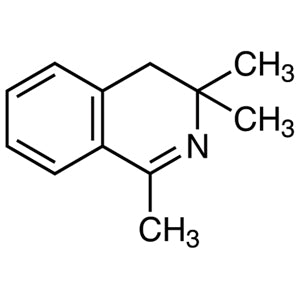
1,3,3-Trimethyl-3,4-dihydroisoquinoline TCI T3060
Regular price Rp 2.650.200,00Regular price -
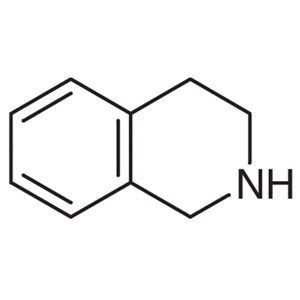
1,2,3,4-Tetrahydroisoquinoline TCI T1676
Regular price From Rp 1.298.850,00Regular price -
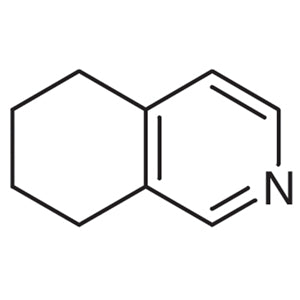
5,6,7,8-Tetrahydroisoquinoline TCI T1230
Regular price Rp 2.942.100,00Regular price -
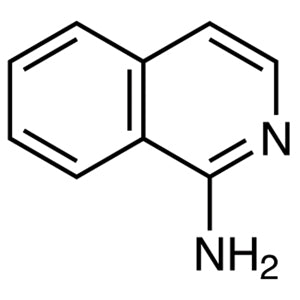
1-Aminoisoquinoline TCI A2817
Regular price From Rp 1.829.100,00Regular price -
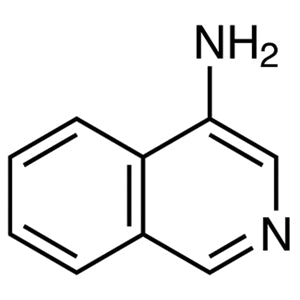
4-Aminoisoquinoline TCI A2595
Regular price From Rp 1.431.150,00Regular price -
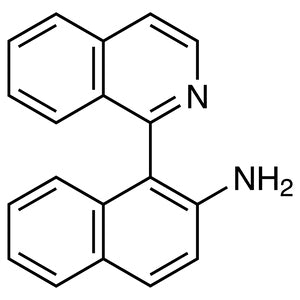
1-(2-Amino-1-naphthyl)isoquinoline TCI A2221
Regular price Rp 7.446.600,00Regular price