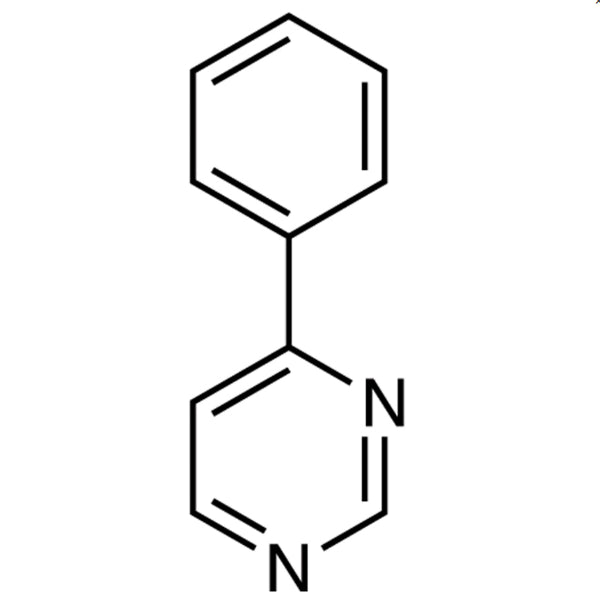
4-Phenylpyrimidine is a chemical compound widely used as a building block in the synthesis of heterocyclic compounds. It plays a crucial role in organic chemistry laboratories, where it serves as a versatile intermediate for the development of various bioactive molecules. Its molecular structure consists of a pyrimidine ring substituted with a phenyl group at the fourth position, making it an essential component in the creation of complex chemical structures. This compound is particularly valuable for researchers aiming to design new pharmaceuticals or materials with specific functional properties.
The stability and controlled reactivity of 4-Phenylpyrimidine make it a preferred choice for organic synthesis. Its ability to form stable intermediates and react selectively with various functional groups enhances its utility in laboratory settings. The compound’s predictable behavior under different reaction conditions allows for precise control over synthetic pathways, which is critical in both academic and industrial research. These properties contribute to its widespread use in the development of novel compounds with diverse applications.
In Indonesian laboratories, 4-Phenylpyrimidine is commonly used in chemical, pharmaceutical, and biochemical research. It is a key reagent in the synthesis of drugs and other chemical materials. Its availability and reliability make it an essential tool for scientists working on projects related to drug discovery, material science, and organic synthesis. The compound’s versatility and effectiveness in laboratory applications continue to make it a valuable resource for researchers in Indonesia.
Related TCI products
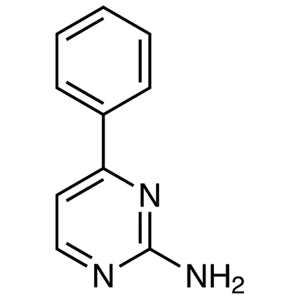
- TCI A3244 2305-87-5 2-Amino-4-phenylpyrimidine
- TCI C3518 1354749-13-5 4-Chloro-6-(4-chlorophenyl)-2-phenylpyrimidine
- TCI B5802 1689538-58-6 4-([1,1'-Biphenyl]-4-yl)-6-chloro-2-phenylpyrimidine
- TCI B4943 40734-24-5 4-Bromo-2,6-diphenylpyrimidine
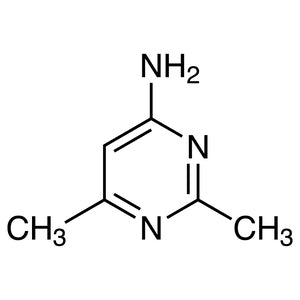
- TCI A2091 461-98-3 4-Amino-2,6-dimethylpyrimidine
- TCI A1474 108-52-1 2-Amino-4-methylpyrimidine
- Organic synthesis of bioactive compounds due to its versatile reactivity and structural compatibility.
- Development of pharmaceuticals as a key intermediate in the synthesis of drug molecules.
- Research in material science for the creation of advanced chemical materials with specific properties.
- Biochemical studies involving the modification of heterocyclic structures for functional applications.
- Chemical research focused on the design of new compounds with targeted biological activities.
| Brand | TCI |
|---|---|
| CAS number | 3438-48-0 |
| Molecular formula | — |
| Purity | — |
| Category | Chemistry > Building Blocks > Heterocyclic Building Blocks |
| Pack sizes | Available in various quantities as per standard laboratory supply options |
| Physical form | Solid |
| Storage | Store in a cool, dry place away from light and moisture |
4-Phenylpyrimidine should be stored in a cool, dry place, away from direct light and moisture to maintain its chemical stability. It is recommended to use airtight containers made of glass or polyethylene to prevent exposure to air and humidity. Proper labeling of containers is essential for safe handling and identification. In laboratory settings, it should be handled with appropriate personal protective equipment, such as gloves and safety goggles, to ensure safety. While it is generally stable under normal storage conditions, it should be kept away from incompatible substances to avoid any potential chemical reactions. Regular inspection of storage conditions is advised to ensure the integrity of the compound remains intact.
—
Produk Terkait
-
2-Amino-4-phenylpyrimidine TCI A3244
Regular price From Rp 1.961.400,00Regular price -
4-Chloro-6-(4-chlorophenyl)-2-phenylpyrimidine TCI C3518
Regular price From Rp 955.500,00Regular price -
4-([1,1'-Biphenyl]-4-yl)-6-chloro-2-phenylpyrimidine TCI B5802
Regular price From Rp 3.312.750,00Regular price -
4-Bromo-2,6-diphenylpyrimidine TCI B4943
Regular price From Rp 743.400,00Regular price -
4-Amino-2,6-dimethylpyrimidine TCI A2091
Regular price From Rp 1.644.300,00Regular price -
2-Amino-4-methylpyrimidine TCI A1474
Regular price From Rp 664.650,00Regular price -
4-Amino-6-hydroxy-2-methylpyrimidineHydrate TCI A1470
Regular price From Rp 743.400,00Regular price -
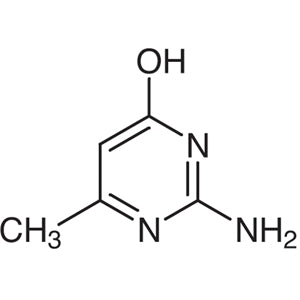
2-Amino-4-hydroxy-6-methylpyrimidine TCI A1204
Regular price From Rp 928.200,00Regular price

![4-([1,1'-Biphenyl]-4-yl)-6-chloro-2-phenylpyrimidine (CAS 1689538-58-6) - TCI B5802 - AMI Scientific](http://amiscientific.com/cdn/shop/files/TCI2510B5802.jpg?v=1768815900&width=533)