10-Phenyl-9(10H)-acridone is an organic compound widely used in scientific research, particularly in the fields of chemistry and materials science. As a small molecule semiconductor building block, it plays a crucial role in the development of advanced materials and electronic devices. This compound is commonly found in studies related to organic semiconductors and complex molecular structures. Its importance lies in its ability to serve as a foundational component in the synthesis of new materials with tailored properties. In laboratory settings, it is essential for creating and testing complex chemical systems, enabling researchers to explore new avenues in material innovation.
The compound is known for its stable molecular structure and its capacity to interact with various functional groups, making it highly versatile in chemical reactions. These characteristics allow it to be used in a wide range of synthetic processes, contributing to the efficiency and precision of laboratory work. Its chemical properties are well-suited for high-accuracy applications, which are critical in modern scientific research. The stability and reactivity of 10-Phenyl-9(10H)-acridone make it a preferred choice for researchers seeking reliable and consistent results in their experiments.
In Indonesian laboratories, this compound is frequently utilized in organic semiconductor research, where its molecular properties are essential for developing new materials with electronic and optical functionalities. Its role in the synthesis of complex molecules and its compatibility with various chemical environments make it a valuable tool for scientists working on advanced material technologies. The compound’s reliability and performance in laboratory conditions have made it a staple in many research projects across Indonesia.
TCI brochures (PDF)
- Building Blocks for Organic Semiconductor 2026-03-24 · p. 34
Related TCI products
- TCI B5536 24275-95-4 10-(4-Bromophenyl)-9(10H)-acridone
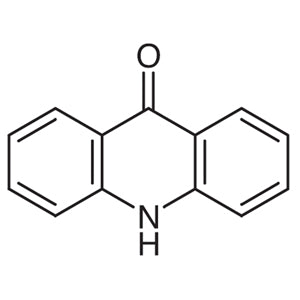
- TCI A0133 578-95-0 9(10H)-Acridone
- TCI M0792 719-54-0 10-Methyl-9(10H)-acridone
- TCI T4145 6710-92-5 2,5,8-Trichloro-1,3,4,6,7,9,9b-heptaazaphenalene
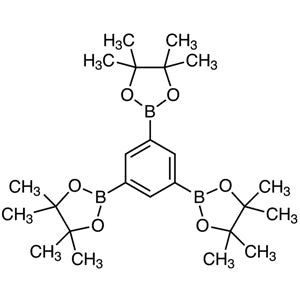
- TCI T3515 365564-05-2 1,3,5-Tris(4,4,5,5-tetramethyl-1,3,2-dioxaborolan-2-yl)benzene
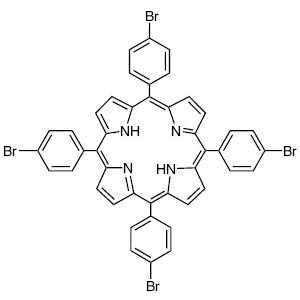
- TCI T3467 29162-73-0 5,10,15,20-Tetrakis(4-bromophenyl)porphyrin
- Organic Semiconductor Research – This compound is ideal for developing new organic semiconductor materials due to its molecular structure and electronic properties.
- Complex Molecule Synthesis – Its ability to interact with various functional groups makes it a key component in the synthesis of complex organic compounds.
- Optical and Electronic Property Testing – It is used to study the optical and electronic behavior of materials, aiding in the development of advanced electronic devices.
- Material Innovation Projects – Researchers use it as a building block for creating novel materials with tailored properties for specific applications.
- Functional Group Compatibility Studies – Its stability and reactivity allow it to be used in experiments that explore interactions between different chemical groups.
| Brand | TCI |
|---|---|
| CAS number | 5472-23-1 |
| Molecular formula | — |
| Purity | — |
| Category | Materials Science > Material Building Blocks > Small Molecule Semiconductor Building Blocks |
| Pack sizes | Available in various quantities as per standard laboratory supply formats |
| Physical form | Solid (as per standard product description) |
| Storage | Store in a cool, dry place away from direct sunlight and moisture |
This compound should be stored in a cool, dry environment to maintain its stability and prevent degradation. It is recommended to use airtight containers to protect it from moisture and contaminants. Due to its chemical nature, it should be handled with appropriate personal protective equipment, including gloves and safety goggles. Avoid exposure to heat and direct light, as these can affect its molecular integrity. In laboratory settings, it should be stored separately from incompatible substances to ensure safety. Regular inspection of storage conditions is advised to maintain optimal quality and usability.
—
Produk Terkait
-
10-(4-Bromophenyl)-9(10H)-acridone TCI B5536
Regular price Rp 3.312.750,00Regular price -
9(10H)-Acridone TCI A0133
Regular price From Rp 795.900,00Regular price -
10-Methyl-9(10H)-acridone TCI M0792
Regular price From Rp 4.426.800,00Regular price -
2,5,8-Trichloro-1,3,4,6,7,9,9b-heptaazaphenalene TCI T4145
Regular price Rp 8.453.550,00Regular price -
1,3,5-Tris(4,4,5,5-tetramethyl-1,3,2-dioxaborolan-2-yl)benzene TCI T3515
Regular price From Rp 2.279.550,00Regular price -
5,10,15,20-Tetrakis(4-bromophenyl)porphyrin TCI T3467
Regular price Rp 6.070.050,00Regular price -
2-Bromoindolo[3,2,1-jk]carbazole TCI B5397
Regular price From Rp 2.174.550,00Regular price -
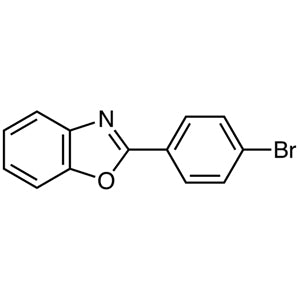
2-(4-Bromophenyl)benzoxazole TCI B5017
Regular price From Rp 664.650,00Regular price



![1174032-81-5 2-Bromoindolo[3,2,1-jk]carbazole - AMI Scientific](http://amiscientific.com/cdn/shop/files/TCI2510B5397.jpg?v=1768815787&width=533)