10-(4-Bromophenyl)-9(10H)-acridone is an organic compound widely used in chemical and materials research. It plays a crucial role in the development of organic semiconductors and molecular construction materials. This compound is part of the acridone family, known for its complex molecular structure that enables chemical modifications for various applications. Its versatility makes it a valuable tool in synthetic chemistry, particularly for creating compounds with specific optical or electronic properties.
The compound is chemically stable and exhibits controlled reactivity, making it suitable for a wide range of laboratory processes. Its molecular structure allows for substitution and condensation reactions, which are essential in the synthesis of advanced materials. The presence of a bromo group enhances its reactivity and provides unique opportunities for further chemical transformations. This characteristic makes it an ideal precursor for developing materials with tailored properties.
In Indonesian laboratories, 10-(4-Bromophenyl)-9(10H)-acridone is commonly used by researchers in the fields of material chemistry and semiconductor technology. It supports the development of new materials with applications in electronics, contributing to the advancement of scientific research in the region. Its reliability and adaptability make it a preferred choice for both academic and industrial research settings.
TCI brochures (PDF)
- Building Blocks for Organic Semiconductor 2026-03-24 · p. 33
Related TCI products
- TCI P2537 5472-23-1 10-Phenyl-9(10H)-acridone
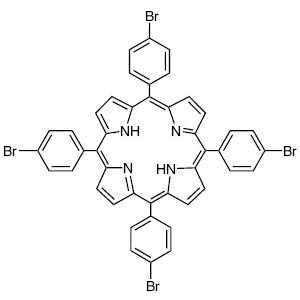
- TCI T3467 29162-73-0 5,10,15,20-Tetrakis(4-bromophenyl)porphyrin
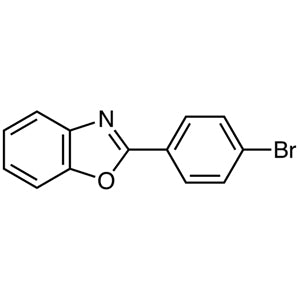
- TCI B5017 3164-13-4 2-(4-Bromophenyl)benzoxazole
- TCI B4871 34658-66-7 2-(4-Bromophenyl)imidazo[1,2-a]pyridine
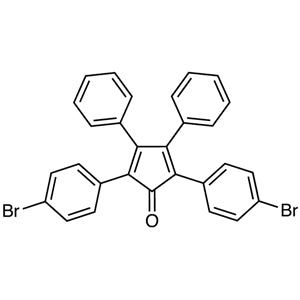
- TCI B5987 54523-24-9 2,5-Bis(4-bromophenyl)-3,4-diphenylcyclopenta-2,4-dienone
- TCI B5535 1342892-15-2 10-(4-Bromophenyl)-9,9-dimethyl-9,10-dihydroacridine
- Organic Semiconductor Development: This compound is ideal for creating organic semiconductors due to its molecular structure and reactivity, enabling the synthesis of materials with specific electronic properties.
- Molecular Construction Materials: Its complex structure allows for chemical modifications, making it suitable for building molecular frameworks used in advanced material research.
- Optical Material Synthesis: The compound's reactivity and stability make it a key component in the development of materials with optical properties, such as light-emitting or photovoltaic applications.
- Chemical Modification Studies: Its ability to undergo substitution and condensation reactions makes it valuable for studying chemical transformation pathways in synthetic chemistry.
- Semiconductor Research: It supports the development of semiconductor materials, contributing to the advancement of electronic and optoelectronic devices in research settings.
| Brand | TCI |
|---|---|
| CAS number | 24275-95-4 |
| Molecular formula | — |
| Purity | — |
| Category | Materials Science > Material Building Blocks > Small Molecule Semiconductor Building Blocks |
| Pack sizes | — |
| Physical form | — |
| Storage | Store in a cool, dry place away from light and moisture |
This compound should be stored in a cool, dry place, away from direct light and moisture to maintain its stability and reactivity. It is recommended to use airtight containers to prevent exposure to air and humidity, which could affect its chemical integrity. Laboratory personnel should handle the compound with appropriate personal protective equipment, including gloves and safety goggles, to ensure safety during handling. Due to its chemical nature, it should be stored separately from incompatible substances to avoid any potential reactions. Proper labeling and storage conditions are essential to ensure the compound remains suitable for use in research applications. Always follow standard laboratory safety protocols when working with this material.
—
Produk Terkait
-
10-Phenyl-9(10H)-acridone TCI P2537
Regular price Rp 2.835.000,00Regular priceRp 1.998.150,00Sale price Rp 2.835.000,00 -
5,10,15,20-Tetrakis(4-bromophenyl)porphyrin TCI T3467
Regular price Rp 6.122.550,00Regular priceRp 4.296.600,00Sale price Rp 6.122.550,00 -
2-(4-Bromophenyl)benzoxazole TCI B5017
Regular price Rp 717.150,00Regular priceRp 516.600,00Sale price Rp 717.150,00 -
2-(4-Bromophenyl)imidazo[1,2-a]pyridine TCI B4871
Regular price Rp 1.351.350,00Regular priceRp 960.750,00Sale price Rp 1.351.350,00 -
2,5-Bis(4-bromophenyl)-3,4-diphenylcyclopenta-2,4-dienone TCI B5987
Regular price Rp 1.856.400,00Regular priceRp 1.313.550,00Sale price Rp 1.856.400,00 -
10-(4-Bromophenyl)-9,9-dimethyl-9,10-dihydroacridine TCI B5535
Regular price Rp 1.563.450,00Regular priceRp 1.108.800,00Sale price Rp 1.563.450,00 -
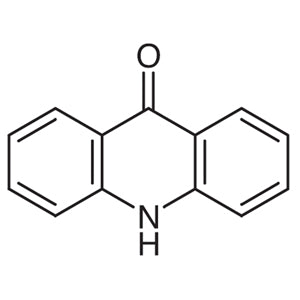
9(10H)-Acridone TCI A0133
Regular price Rp 848.400,00Regular priceRp 609.000,00Sale price Rp 848.400,00 -
10-Methyl-9(10H)-acridone TCI M0792
Regular price Rp 4.479.300,00Regular priceRp 3.147.900,00Sale price Rp 4.479.300,00

![34658-66-7 2-(4-Bromophenyl)imidazo[1,2-a]pyridine - AMI Scientific](http://amiscientific.com/cdn/shop/files/TCI2510B4871_4c55606d-8488-4b08-a2e8-f304feb4d2d0.jpg?v=1767854108&width=533)