


Polyethylene Glycol Monododecyl Ether (PDE), with CAS number 9002-92-0, is a non-ionic surfactant widely used in laboratory settings. This compound is essential for modifying surface properties and enhancing the dispersibility of various substances in different systems. Its unique molecular structure consists of a polyethylene glycol chain attached to a dodecyl group, making it highly effective in reducing surface tension. In laboratory applications, PDE is a versatile tool for improving the efficiency of mixing, emulsification, and formulation processes. Its ability to interact with both polar and non-polar substances makes it a valuable component in many chemical experiments.
PDE is preferred due to its balanced hydrophilic and hydrophobic properties, which allow it to function effectively in both aqueous and organic environments. This dual nature enables it to stabilize emulsions, dissolve insoluble materials, and improve the solubility of compounds in different solvents. Additionally, PDE is non-corrosive and chemically stable under normal conditions, ensuring safety and reliability in experimental settings. These characteristics make it a reliable choice for laboratories requiring consistent performance in a variety of chemical processes.
In Indonesian laboratories, PDE is commonly used in chemical, pharmaceutical, and environmental research. It plays a crucial role in the development of cosmetic products, industrial chemicals, and surface property studies. Its versatility and effectiveness in various applications make it an essential material for researchers and technicians working in diverse scientific fields.
Related TCI products
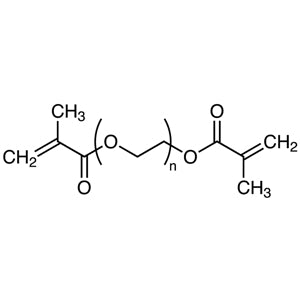
- TCI T1352 25852-47-5 Polyethylene Glycol Dimethacrylate (n=approx 4) (stabilized with MEHQ)
- TCI T0768 3055-94-5 Triethylene Glycol Monododecyl Ether
- TCI P3291 Polyethylene Glycol Mono-4-octylphenyl Ether (n=approx. 10) Solution (10w/v% in H2O) [for Molecular Biology]
- TCI P3184 26403-72-5 Polyethylene Glycol Diglycidyl Ether (n=approx 4)
- TCI P3183 26403-72-5 Polyethylene Glycol Diglycidyl Ether (n=approx. 13)
- TCI P3180 26403-72-5 Polyethylene Glycol Diglycidyl Ether (n=approx. 9)
- Emulsification processes benefit from PDE's ability to stabilize oil-in-water and water-in-oil systems, enhancing the uniformity of formulations.
- Surface modification experiments rely on PDE to alter the surface energy of materials, improving adhesion and compatibility in composite systems.
- Formulation development in the cosmetics industry uses PDE to enhance the dispersion of active ingredients and improve product stability.
- Chemical synthesis applications utilize PDE as a dispersing agent to improve the mixing of reactants and increase reaction efficiency.
- Environmental testing often incorporates PDE to study the behavior of surfactants in soil and water systems, aiding in pollution control research.
| Brand | TCI |
|---|---|
| CAS number | 9002-92-0 |
| Molecular formula | — |
| Purity | — |
| Category | TCI |
| Pack sizes | Available in various quantities as per supplier specifications |
| Physical form | Liquid |
| Storage | Store in a cool, dry place away from direct sunlight |
PDE should be stored in a cool, dry environment to maintain its chemical stability and prevent degradation. It is recommended to use sealed containers to minimize exposure to moisture and air, which can affect its performance. Since PDE is non-corrosive, it can be safely stored in standard glass or plastic containers, provided they are resistant to chemical interaction. In laboratory settings, it is important to handle PDE with appropriate personal protective equipment, such as gloves and safety goggles, to ensure safe handling. Avoid contact with incompatible materials and ensure proper ventilation when working with larger quantities. Regular inspection of storage conditions is advised to maintain the integrity and effectiveness of the compound.
—
Produk Terkait
-
PolyethyleneGlycolDimethacrylate(n=approx4)(stabilizedwithMEHQ) TCI T1352
Regular price From Rp 505.050,00Regular price -
TriethyleneGlycolMonododecylEther TCI T0768
Regular price Rp 18.628.050,00Regular price -
PolyethyleneGlycolMono-4-octylphenylEther(n=approx.10)Solution(10w/v%inH2O)[forMolecularBiology] TCI P3291
Regular price Rp 2.411.850,00Regular price -
PolyethyleneGlycolDiglycidylEther(n=approx4) TCI P3184
Regular price From Rp 1.193.850,00Regular price -
PolyethyleneGlycolDiglycidylEther(n=approx.13) TCI P3183
Regular price From Rp 1.087.800,00Regular price -
PolyethyleneGlycolDiglycidylEther(n=approx.9) TCI P3180
Regular price From Rp 1.060.500,00Regular price -
PolyethyleneGlycolMonomethylEtherMethacrylate(Mw=ca2100)(stabilizedwithMEHQ) TCI P3111
Regular price From Rp 1.326.150,00Regular price -
PolyethyleneGlycolMonomethylEtherMethacrylate(n=approx.23)(stabilizedwithMEHQ) TCI P3110
Regular price From Rp 1.220.100,00Regular price

![Polyethylene Glycol Mono-4-octylphenyl Ether (n=approx. 10) Solution (10w/v% in H2O) [for Molecular Biology] - AMI Scientific](http://amiscientific.com/cdn/shop/files/TCI2510P3291.jpg?v=1767137360&width=533)


