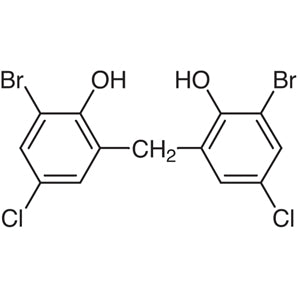
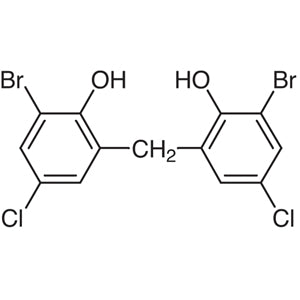
![35648-87-4 2,2'-[1,4-Phenylenebis(oxy-2,1-ethanediyloxy)]diethanol - AMI Scientific](http://amiscientific.com/cdn/shop/files/TCI2510P2762.jpg?v=1767136594&width=1946)
![35648-87-4 2,2'-[1,4-Phenylenebis(oxy-2,1-ethanediyloxy)]diethanol - AMI Scientific](http://amiscientific.com/cdn/shop/files/TCI2510P2762.jpg?v=1767136594&width=1445)
TCI P2762, also known as 2,2'-[1,4-Phenylenebis(oxy-2,1-ethanediyloxy)]diethanol, is a chemical compound widely used as a building block in the synthesis of complex molecules. This compound plays a crucial role in laboratory settings where the creation of stable and intricate molecular structures is required. Its unique molecular architecture allows it to serve as a foundational element in the development of long-chain and encapsulated structures, making it an essential tool for chemists working on advanced synthetic projects.
The compound is valued for its chemical stability and predictable molecular structure, which ensure consistent performance across various experimental conditions. It does not readily react with other reagents under normal laboratory conditions, making it a reliable choice for precise chemical synthesis. Its inertness and stability contribute to its widespread use in environments where accuracy and reproducibility are paramount. Additionally, its well-defined structure facilitates easy identification and processing, enhancing its utility in both research and industrial applications.
In Indonesian laboratories, this compound is commonly used in organic chemistry and molecular synthesis research. It supports the development of new chemical compounds, particularly those with environmental and sustainable applications. Its role in creating complex molecular frameworks makes it a key component in the advancement of chemical innovation within the region.
Related TCI products
- TCI T4315 6337-43-5 Tetraethyl 2,2'-[1,4-Phenylenebis(methaneylylidene)]dimalonate
- TCI B6224 136039-69-5 1,3-Phenylenebis[(4-bromophenyl)methanone]
- TCI T1651 19920-00-4 1,1,2,2-Tetrakis(4-methoxyphenyl)-1,2-ethanediol
- TCI B1849 808-12-8 1,2-Bis(4-methylphenyl)-1,2-diphenyl-1,2-ethanediol
- TCI M1940 15435-29-7 2,2'-Methylenebis(6-bromo-4-chlorophenol)
- TCI M0213 97-23-4 2,2'-Methylenebis(4-chlorophenol)
- Organic synthesis projects benefit from this compound’s stable structure, enabling the creation of complex molecular frameworks with high precision.
- Environmental chemistry research utilizes it to develop sustainable chemical compounds that minimize ecological impact.
- Molecular encapsulation studies rely on its ability to form stable, long-chain structures that can encapsulate other molecules effectively.
- Polymer chemistry applications take advantage of its molecular architecture to design new materials with tailored properties.
- Advanced chemical research in Indonesian laboratories uses it as a foundational element in the synthesis of novel compounds with specific functional groups.
| Brand | TCI |
|---|---|
| CAS number | 35648-87-4 |
| Molecular formula | — |
| Purity | — |
| Category | Chemistry > Building Blocks > Non-Heterocyclic Building Blocks |
| Pack sizes | Available in various sizes as per standard laboratory supply options |
| Physical form | Liquid |
| Storage | Store in a cool, dry place away from direct sunlight and incompatible materials |
This compound should be stored in a cool, dry environment, away from direct sunlight and sources of heat. It is recommended to use sealed containers made of materials compatible with its chemical properties, such as glass or polyethylene. Due to its stability, it does not require special refrigeration but should be kept in a secure location to prevent accidental exposure. In laboratory settings, it is important to handle the compound with appropriate personal protective equipment, including gloves and safety goggles, to ensure safe handling. Regular monitoring of storage conditions is advised to maintain its integrity and ensure continued usability in research applications.
—
Produk Terkait
-
Tetraethyl2,2'-[1,4-Phenylenebis(methaneylylidene)]dimalonate TCI T4315
Regular price From Rp 928.200,00Regular price -
1,3-Phenylenebis[(4-bromophenyl)methanone] TCI B6224
Regular price Rp 4.982.250,00Regular price -
1,1,2,2-Tetrakis(4-methoxyphenyl)-1,2-ethanediol TCI T1651
Regular price Rp 7.500.150,00Regular price -
1,2-Bis(4-methylphenyl)-1,2-diphenyl-1,2-ethanediol TCI B1849
Regular price Rp 3.551.100,00Regular price -
2,2'-Methylenebis(6-bromo-4-chlorophenol) TCI M1940
Regular price Rp 2.279.550,00Regular price -
2,2'-Methylenebis(4-chlorophenol) TCI M0213
Regular price From Rp 769.650,00Regular price
![6337-43-5 Tetraethyl 2,2'-[1,4-Phenylenebis(methaneylylidene)]dimalonate - AMI Scientific](http://amiscientific.com/cdn/shop/files/TCI2510T4315.jpg?v=1767145058&width=533)
![1,3-Phenylenebis[(4-bromophenyl)methanone] (CAS 136039-69-5) - TCI B6224 - AMI Scientific](http://amiscientific.com/cdn/shop/files/TCI2510B6224.jpg?v=1767093319&width=533)