![1,3-Phenylenebis[(4-bromophenyl)methanone] (CAS 136039-69-5) - TCI B6224 - AMI Scientific](http://amiscientific.com/cdn/shop/files/TCI2510B6224.jpg?v=1767093319&width=1946)
![1,3-Phenylenebis[(4-bromophenyl)methanone] (CAS 136039-69-5) - TCI B6224 - AMI Scientific](http://amiscientific.com/cdn/shop/files/TCI2510B6224.jpg?v=1767093319&width=1445)
1,3-Phenylenebis[(4-bromophenyl)methanone] is a complex organic compound widely used in laboratory settings for its structural versatility and reactivity. This compound serves as a key building block in organic synthesis, particularly in the development of heterocyclic and aromatic compounds with intricate molecular frameworks. Its unique structure connects two bromophenyl groups via a phenylene bridge, making it an essential intermediate in the construction of larger, more complex molecules. In the laboratory, it plays a crucial role in facilitating chemical reactions such as substitution and condensation, enabling the synthesis of a wide range of target compounds.
The compound's chemical stability under controlled conditions, combined with its reactivity in various synthetic pathways, makes it a preferred choice for researchers. Its ability to participate in multiple reaction mechanisms allows chemists to tailor its behavior in different synthetic strategies. The complexity of its molecular structure also makes it a valuable tool in the study of reaction mechanisms and molecular interactions. These properties contribute to its popularity among scientists working in organic chemistry, particularly in fields such as pharmaceutical and materials research.
In Indonesian laboratories, this compound is commonly used in organic chemistry research, especially in the development of new drugs and advanced materials. It is a staple in academic and industrial research settings, supporting the synthesis of complex molecules and the exploration of novel chemical reactions. Its role in both basic and applied research underscores its importance in the scientific community across Indonesia.
Related TCI products
- TCI B2930 1016-77-9 (3-Bromophenyl)(phenyl)methanone
- TCI D5621 25032-74-0 Bis(3-bromophenyl)methanone
- TCI T4315 6337-43-5 Tetraethyl 2,2'-[1,4-Phenylenebis(methaneylylidene)]dimalonate
- TCI T4297 954-16-5 Mesityl(phenyl)methanone
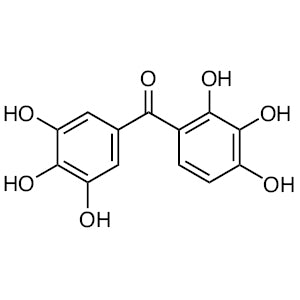
- TCI H1783 52479-85-3 (2,3,4-Trihydroxyphenyl)(3,4,5-trihydroxyphenyl)methanone
- TCI E1619 2549-90-8 [4-[(2-Ethylhexyl)oxy]-2-hydroxyphenyl](phenyl)methanone
- Organic synthesis of heterocyclic compounds due to its bridging structure between bromophenyl groups.
- Development of aromatic derivatives through substitution and condensation reactions in synthetic pathways.
- Research in pharmaceutical chemistry for the creation of complex drug molecules with tailored properties.
- Material science applications in the synthesis of advanced polymers and functional materials.
- Structural studies of molecular interactions in both academic and industrial research environments.
| Brand | TCI |
|---|---|
| CAS number | 136039-69-5 |
| Molecular formula | — |
| Purity | — |
| Category | Chemistry > Building Blocks > Non-Heterocyclic Building Blocks |
| Pack sizes | Available in various quantities as per supplier specifications |
| Physical form | Solid (as per standard chemical properties) |
| Storage | Store in a cool, dry, and well-ventilated area away from light and moisture |
This compound should be stored in a cool, dry, and well-ventilated area, away from direct light and moisture. It is recommended to use airtight containers made of materials such as glass or polyethylene to prevent contamination and degradation. Due to its chemical sensitivity, it should be handled with care, using appropriate personal protective equipment such as gloves and safety goggles. It is advisable to store it in a designated chemical storage cabinet to ensure safety and compliance with laboratory protocols. Regular monitoring of storage conditions is essential to maintain its stability and effectiveness in research applications.
—
Produk Terkait
-
(3-Bromophenyl)(phenyl)methanone TCI B2930
Regular price From Rp 2.597.700,00Regular price -
Bis(3-bromophenyl)methanone TCI D5621
Regular price Rp 6.042.750,00Regular price -
Tetraethyl2,2'-[1,4-Phenylenebis(methaneylylidene)]dimalonate TCI T4315
Regular price From Rp 928.200,00Regular price -
Mesityl(phenyl)methanone TCI T4297
Regular price From Rp 955.500,00Regular price -
(2,3,4-Trihydroxyphenyl)(3,4,5-trihydroxyphenyl)methanone TCI H1783
Regular price From Rp 3.232.950,00Regular price -
[4-[(2-Ethylhexyl)oxy]-2-hydroxyphenyl](phenyl)methanone TCI E1619
Regular price From Rp 1.908.900,00Regular price -
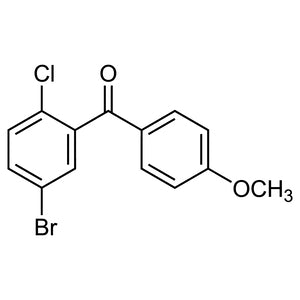
(5-Bromo-2-chlorophenyl)(4-methoxyphenyl)methanone TCI B6858
Regular price Rp 5.432.700,00Regular price -
3-(4-Bromophenyl)propiolicAcid TCI B5243
Regular price Rp 3.155.250,00Regular price


![6337-43-5 Tetraethyl 2,2'-[1,4-Phenylenebis(methaneylylidene)]dimalonate - AMI Scientific](http://amiscientific.com/cdn/shop/files/TCI2510T4315.jpg?v=1767145058&width=533)

![[4-[(2-Ethylhexyl)oxy]-2-hydroxyphenyl](phenyl)methanone (CAS 2549-90-8) - TCI E1619 - AMI Scientific](http://amiscientific.com/cdn/shop/files/TCI2510E1619.jpg?v=1767113127&width=533)